

Positive vs Negative Rake Turning Inserts: Selection Guidelines for Optimal Machining Performance

Fundamental Geometry Differences Positive rake inserts feature cutting edges angled toward the material with sharper wedge angles (typically 45-65°), creating lower cutting forces but reduced edge strength. Negative rake inserts present a more robust 90° edge configuration with dual-sided usability, sacrificing some cutting efficiency for dramatically improved tool life in heavy-duty applications. The choice between […]
Cutting Tools in Smart Factories: Bridging the Gap Between Tradition and Innovation

The integration of cutting tools into smart factories represents a significant leap in manufacturing technology, merging traditional machining techniques with advanced digital solutions. As industries embrace automation and data-driven processes, cutting tools have evolved to meet new demands, combining time-tested methods with innovative technologies. This synergy between tradition and innovation is transforming manufacturing practices, enhancing efficiency, and setting new standards for precision. Let’s explore how cutting tools are bridging this gap in smart factories.
The Cutting Tool Industry and Its Impact on Global Manufacturing Standards
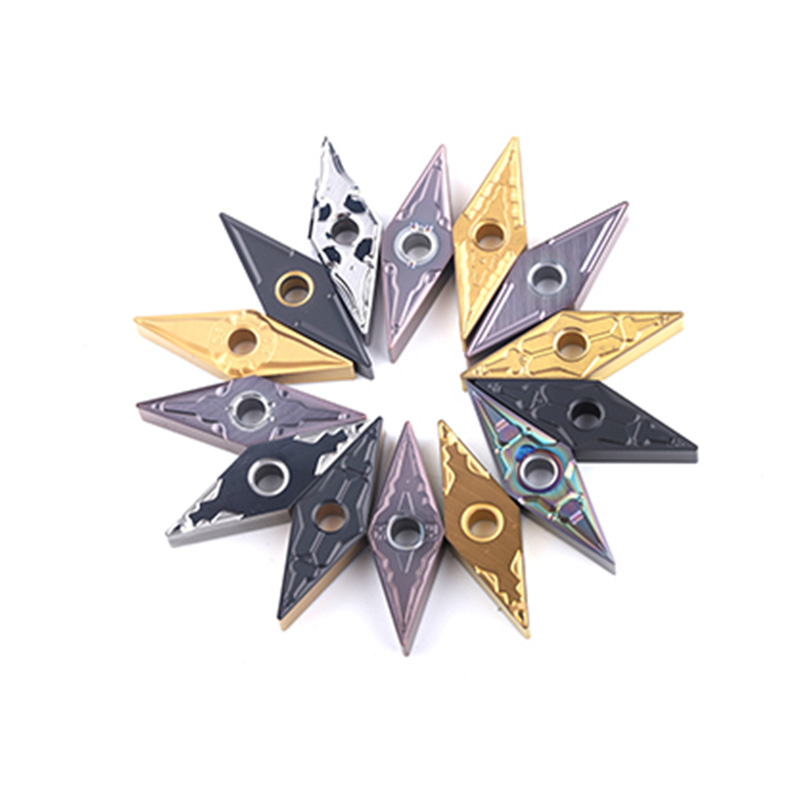
The cutting tool industry plays a pivotal role in shaping global manufacturing standards. As a crucial component in the machining process, cutting tools are essential for shaping, drilling, and finishing materials to precise specifications. Innovations in cutting tool technology directly influence manufacturing efficiency, product quality, and overall industry practices. This article explores the impact of the cutting tool industry on global manufacturing standards and highlights the factors driving these changes.
How Cutting Tools Are Enhancing Precision in the Medical Device Industry
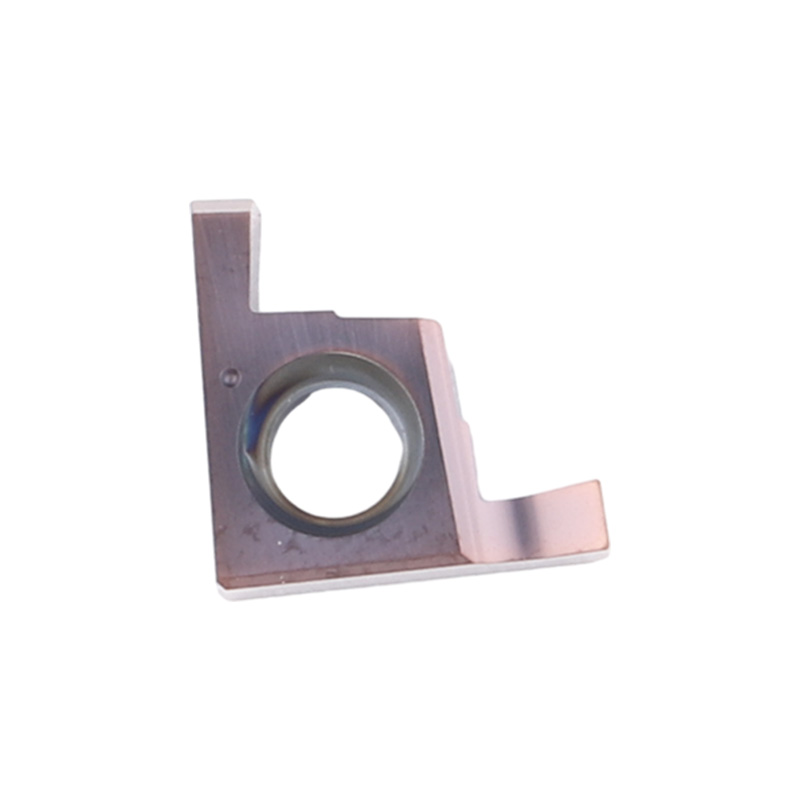
Cutting tools play a critical role in the medical device industry, enhancing precision and ensuring the highest standards of quality. Their evolution has brought significant advancements in how medical devices are manufactured, contributing to improved patient outcomes and operational efficiency.
Exploring the Role of Cutting Tools in Aerospace Material Advancements Introduction to Cutting Tools in Aerospace

Cutting tools are pivotal in the aerospace industry, driving advancements in material technology. These tools enhance precision and efficiency, crucial for creating components that meet stringent aerospace standards.
The Intersection of AI and Cutting Tools: What’s Next for the Industry?
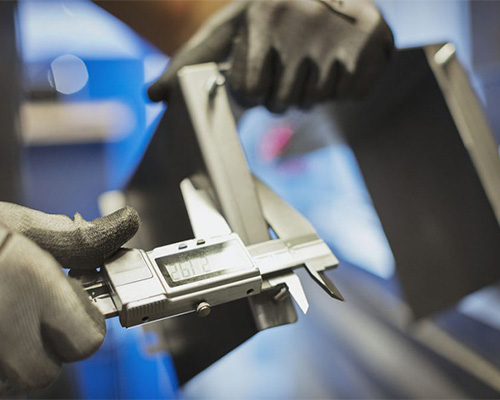
Artificial Intelligence (AI) is reshaping industries across the board, and cutting tools are no exception. The integration of AI into cutting tool technology promises to revolutionize the industry by enhancing precision, efficiency, and innovation.
How Cutting Tools Are Enabling the Shift Toward Sustainable Manufacturing

Sustainable manufacturing focuses on minimizing environmental impact while maintaining economic efficiency. Cutting tools play a crucial role in this transition by enhancing the efficiency and sustainability of manufacturing processes. Their advancements are paving the way for greener production methods.
The Importance of Cutting Tools in Achieving High Precision in Machining

Precision machining is crucial for producing high-quality components with exact specifications. Cutting tools are essential in this process, as they directly impact the accuracy and efficiency of machining operations. Understanding their role highlights why investing in high-quality cutting tools is vital for achieving superior results.
Cutting Tools and the Future of Metalworking: Trends to Watch
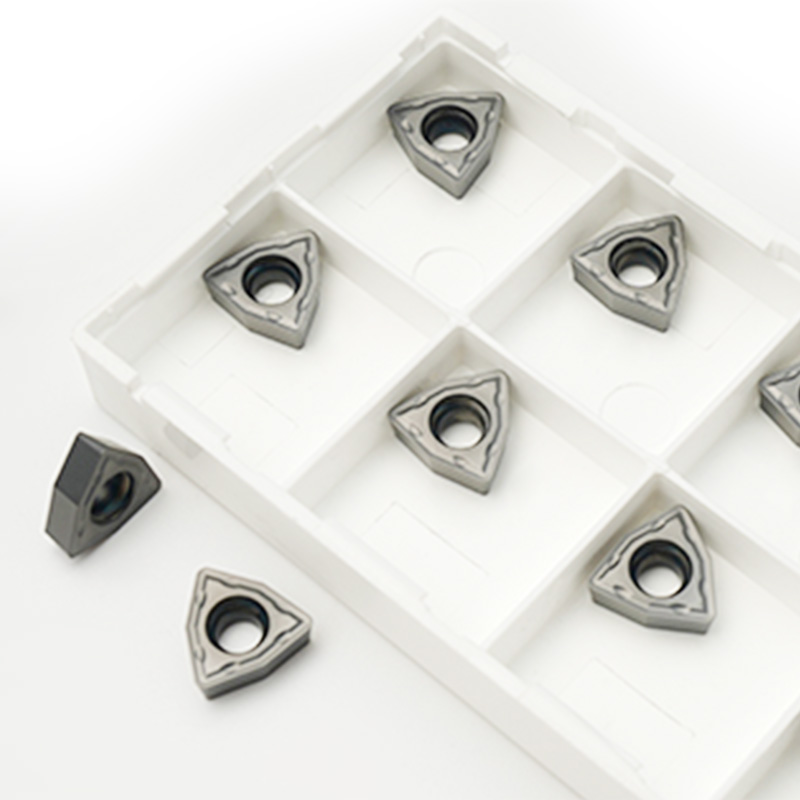
Cutting tools are integral to metalworking, shaping raw materials into precise components. As the industry evolves, new trends are emerging that will redefine the future of cutting tools and metalworking. Staying informed about these trends is essential for leveraging advancements and maintaining a competitive edge.
How the Cutting Tool Industry is Adapting to New Manufacturing Challenges

The cutting tool industry is facing an array of new challenges as manufacturing practices evolve. From increased demand for precision to the pressure for sustainability, cutting tool manufacturers are adapting to meet these demands. Understanding how the industry is evolving helps stakeholders stay ahead in a competitive market.