

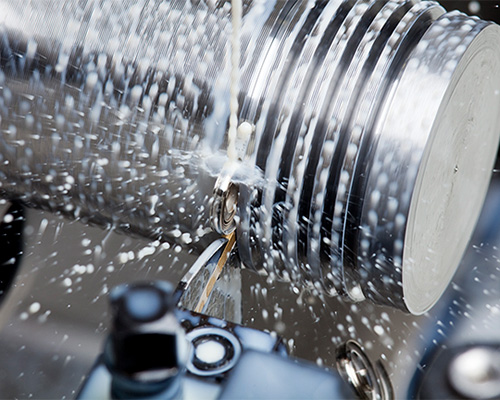
Role of Cutting Tools in Machining Accuracy
Cutting tools are designed to remove material from a workpiece with precision. Their geometry, material, and coating significantly affect the quality of the cut. Tools with advanced designs ensure clean, accurate cuts and minimize errors, which is essential for meeting tight tolerances and achieving high precision.
Advancements in Cutting Tool Technology
Recent advancements in cutting tool technology have greatly enhanced machining precision. Innovations such as High-Speed Steel (HSS), carbide tools, and ceramic materials offer improved durability and cutting performance. Additionally, advanced coatings like Titanium Nitride (TiN) and Diamond-Like Carbon (DLC) reduce friction and wear, further enhancing precision.
Impact of Tool Maintenance on Precision
Proper maintenance of cutting tools is crucial for maintaining precision. Regular inspection, sharpening, and replacement of worn tools help prevent inaccuracies caused by tool degradation. Implementing a rigorous maintenance schedule ensures consistent performance and prolongs tool life, which contributes to overall machining precision.
Precision in Complex Machining Operations
Complex machining operations, such as multi-axis milling and high-precision turning, rely heavily on cutting tools for accuracy. Specialized tools and custom geometries are designed for specific applications, allowing for intricate and precise cuts. The right cutting tools enable manufacturers to produce complex components with exacting specifications.
Challenges and Solutions in Precision Machining
Achieving high precision in machining can present challenges, including tool wear, vibration, and thermal effects. To address these issues, manufacturers use various strategies such as optimizing cutting parameters, employing advanced tool materials, and utilizing cooling techniques. These solutions help mitigate challenges and maintain precision throughout the machining process.
The Future of Cutting Tools in Precision Machining
Looking ahead, cutting tools will continue to evolve to meet the increasing demands for precision. Emerging technologies, such as smart cutting tools equipped with sensors and real-time monitoring systems, promise to further enhance accuracy and efficiency. These advancements will play a crucial role in advancing precision machining capabilities.
Conclusion
Cutting tools are fundamental to achieving high precision in machining. Their design, materials, and maintenance directly impact the accuracy and quality of machined components. Investing in advanced cutting tools and adopting best practices for their use and maintenance are essential for meeting the rigorous demands of precision machining and ensuring superior manufacturing outcomes.