

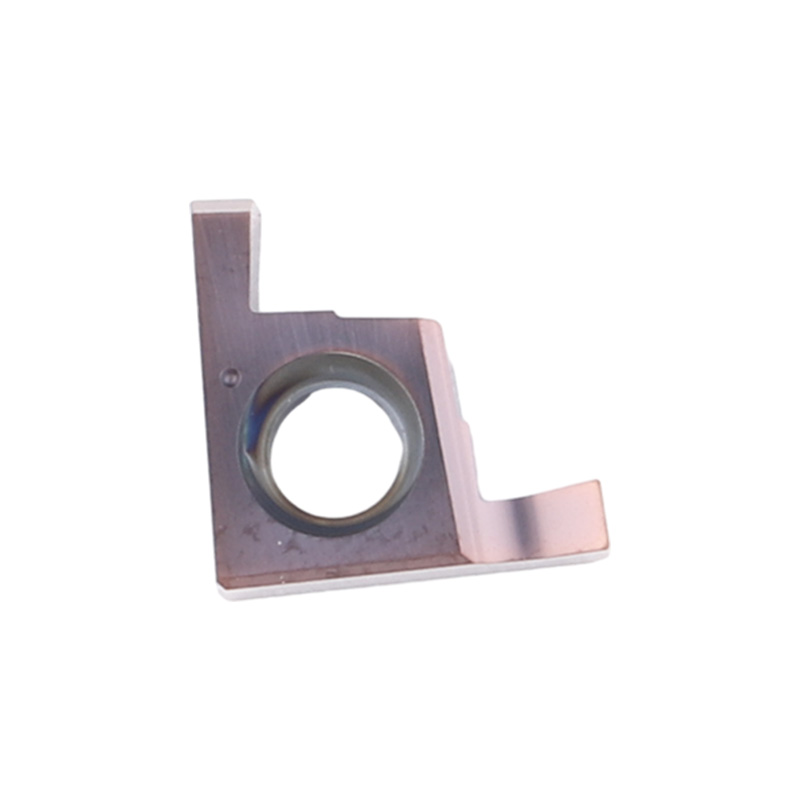
The Role of Advanced Cutting Tools
Advanced cutting tools have become indispensable in the medical device sector. These tools are designed to meet stringent specifications, allowing for the precise creation of intricate medical components. Technologies such as laser cutting, ultrasonic cutting, and high-speed milling offer unmatched accuracy, minimizing errors and ensuring that every component adheres to exact tolerances.
Laser Cutting: Precision and Efficiency
Laser cutting technology has transformed the way medical devices are produced. It provides exceptional precision, capable of cutting through various materials with minimal heat damage. This is particularly important for delicate components that require high accuracy. Additionally, laser cutting reduces the need for secondary operations, streamlining the manufacturing process and lowering costs.
Ultrasonic Cutting: Enhancing Material Processing
Ultrasonic cutting is another innovative technology that enhances precision in the medical device industry. By using high-frequency vibrations, ultrasonic cutters can slice through materials with remarkable accuracy. This method is ideal for cutting soft materials like plastics and rubber, which are commonly used in medical device manufacturing. Ultrasonic cutting also reduces tool wear and extends the lifespan of cutting tools.
High-Speed Milling: Boosting Production Capabilities
High-speed milling has revolutionized the production of medical devices by increasing both speed and accuracy. This technique allows manufacturers to achieve fine details and complex geometries quickly, which is crucial for producing high-quality medical components. High-speed milling also improves surface finish and reduces the need for additional finishing processes.
Material Considerations in Cutting Tools
The choice of materials for cutting tools is crucial for achieving optimal performance. Tools made from high-quality carbide or ceramic materials offer greater durability and resistance to wear, ensuring consistent performance throughout the manufacturing process. These materials are essential for handling the demanding requirements of medical device production.
Minimizing Waste and Enhancing Sustainability
Modern cutting tools are designed with sustainability in mind. Techniques such as precision cutting and efficient material usage help minimize waste, contributing to a more environmentally friendly manufacturing process. By reducing material waste and energy consumption, these tools align with the growing emphasis on sustainability in the medical device industry.
Future Trends in Cutting Tool Technology
The future of cutting tools in the medical device industry looks promising with ongoing advancements in technology. Innovations such as smart cutting tools, which integrate sensors and data analytics, are set to further enhance precision and efficiency. These tools will provide real-time feedback and adjust operations dynamically, leading to even greater accuracy and quality in medical device manufacturing.
Conclusion
Cutting tools are crucial to the advancement of precision in the medical device industry. Technologies such as laser cutting, ultrasonic cutting, and high-speed milling have significantly improved the accuracy and efficiency of medical device production. As the industry continues to evolve, cutting tools will play an even more integral role in ensuring high-quality outcomes and driving innovation.
By leveraging these advanced cutting technologies, manufacturers can achieve unparalleled precision and contribute to better healthcare solutions worldwide.
4o mini