

The Distinct Advantages of Deep-Hole Thread Mills Over Shallow-Cut Versions
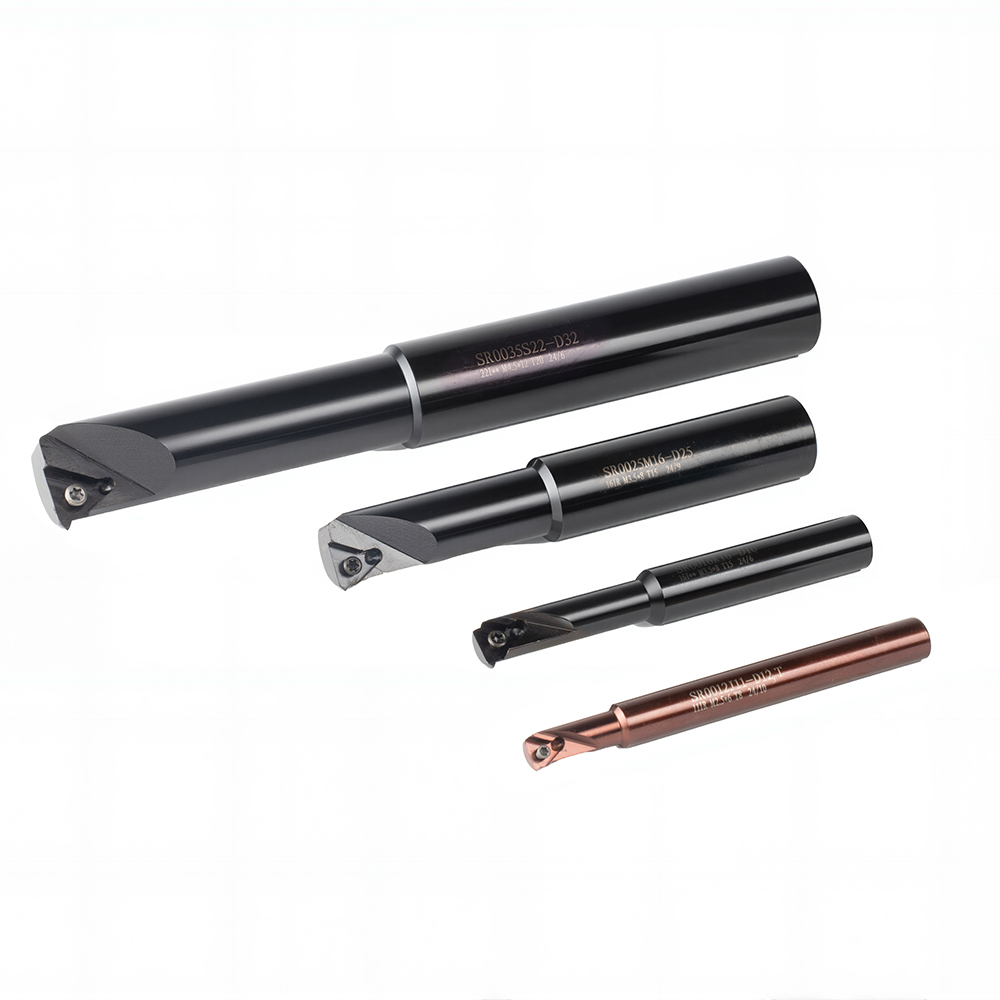
In the world of precision threading operations, deep-hole thread mills have established themselves as superior solutions for challenging applications where conventional shallow-cut tools fall short. These specialized cutters are engineered with unique geometries and structural enhancements that enable them to excel in deep threading tasks that would compromise standard tools. The fundamental differences go far […]
How to Safely Install a Knife Holder in Your Kitchen
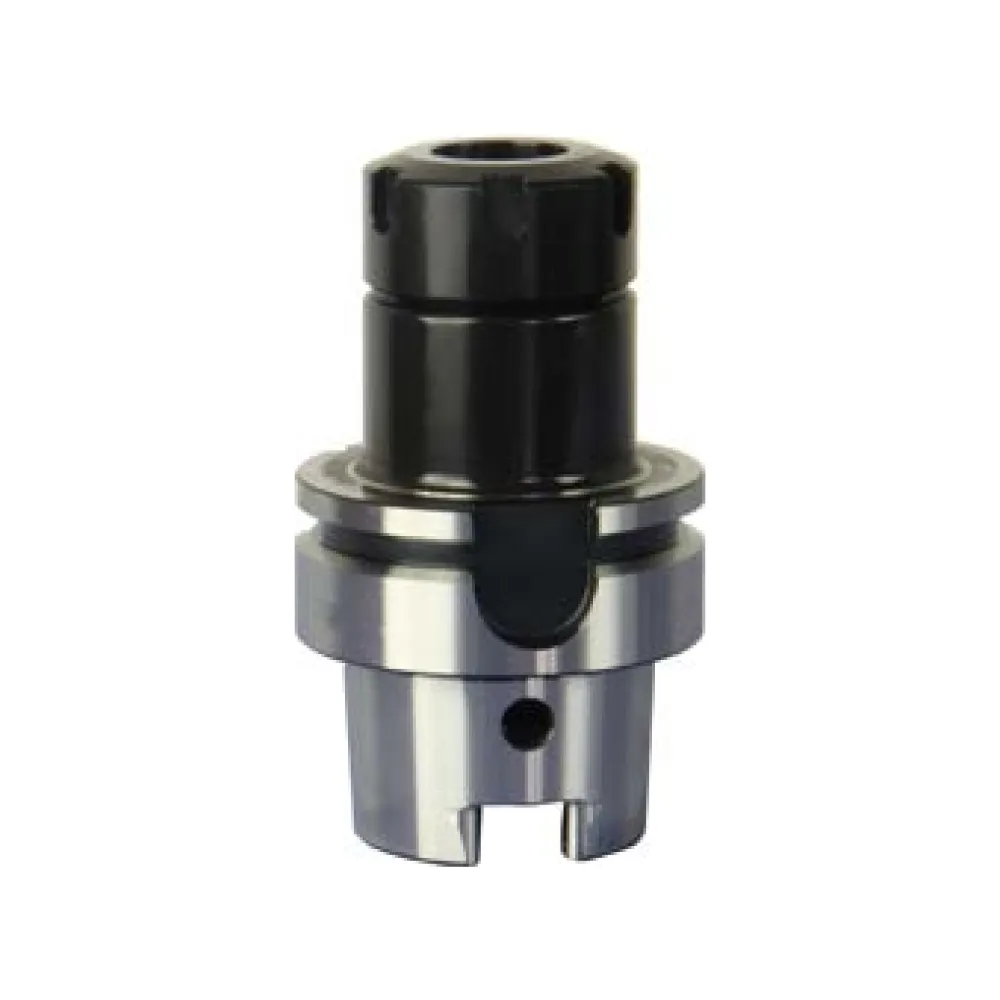
Installing a knife holder is a simple yet important task to ensure both safety and convenience in your kitchen. A properly installed knife holder keeps your blades organized, prevents accidents, and prolongs the life of your knives. Follow these steps to securely mount your knife holder, whether it’s a magnetic strip, a wooden block, or […]
Understanding Spring Collet Knife Holders: Features and Benefits
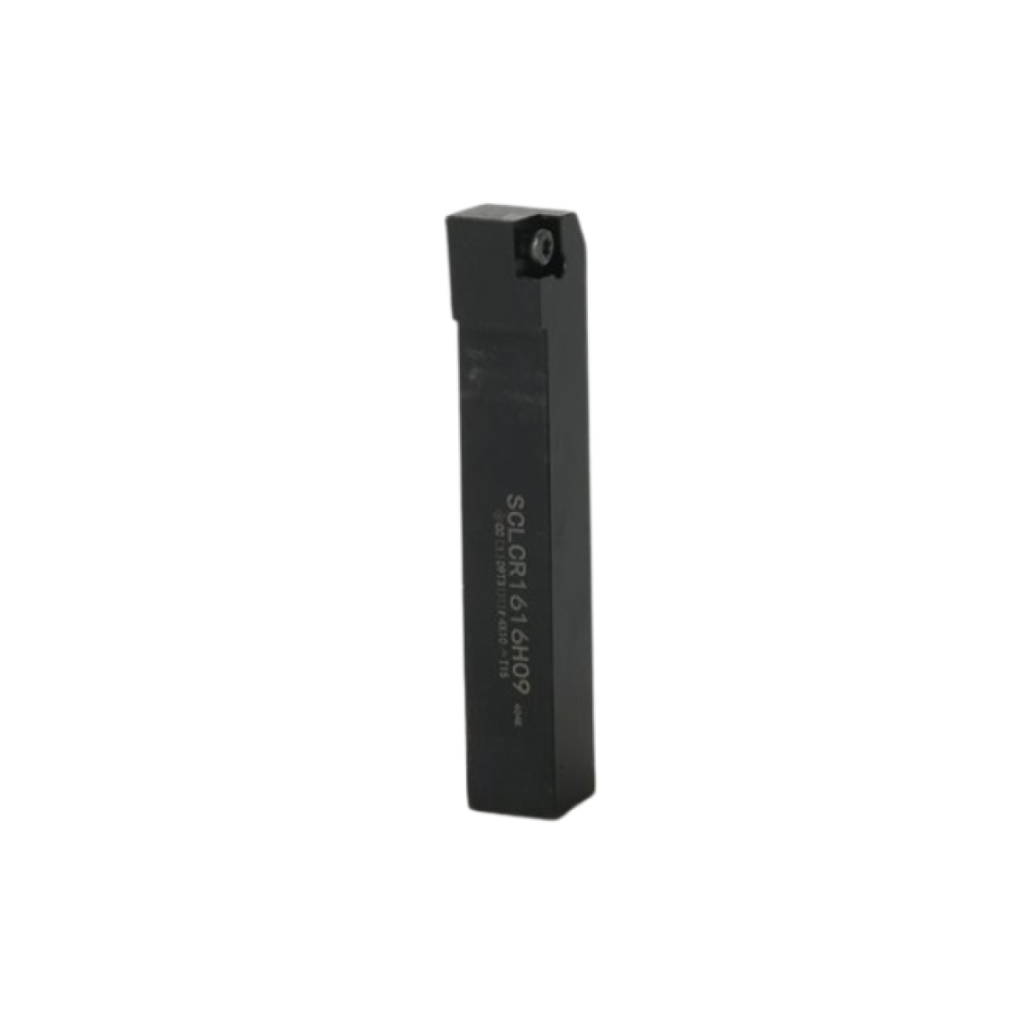
When it comes to organizing knives, spring collet knife holders offer a unique and efficient solution. Unlike traditional blocks or magnetic strips, these holders use a spring-loaded clamping mechanism to securely grip knives by their blades. This design provides several advantages in terms of safety, accessibility, and space efficiency. Key Features of Spring Collet Knife […]
Why Are Milling Cutters Getting Smaller?
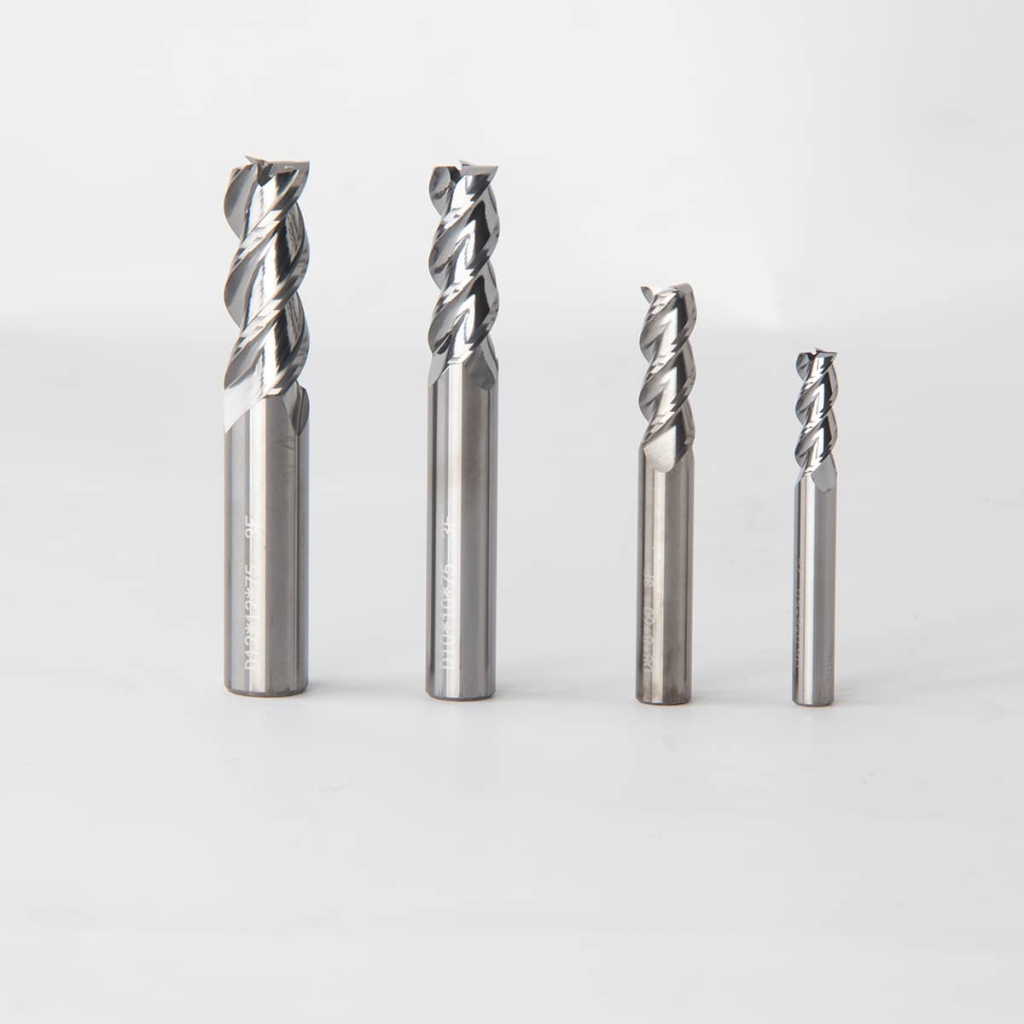
The trend toward smaller milling cutters in modern machining reflects advancements in precision engineering, material science, and manufacturing efficiency. As industries demand higher accuracy, faster production speeds, and reduced material waste, tool designers have responded by developing compact yet high-performance cutting tools. Here’s why smaller milling cutters are becoming increasingly popular and how they benefit […]
BRP vs. BAP Milling Cutters: Key Differences and Applications
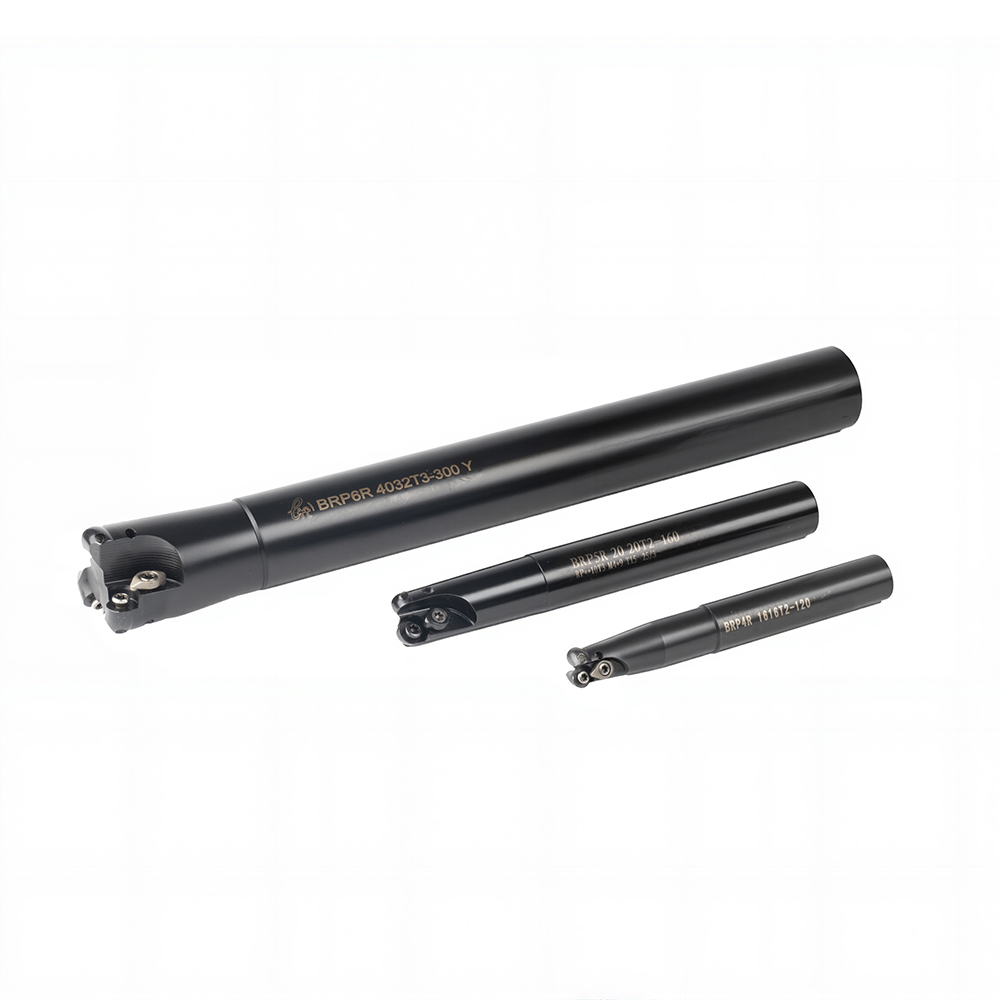
1. Basic Definition and Design Philosophy BRP (Brazed Radial Profile) Cutters: Feature brazed carbide tips with a radial (curved) cutting edge geometry, optimized for specific profile milling operations. The brazed construction provides robust support for heavy cuts. BAP (Brazed Angular Profile) Cutters: Use brazed carbide inserts with an angular (straight or inclined) cutting edge, designed […]
Center Drill vs. Deep Hole Drill: Key Differences and Applications
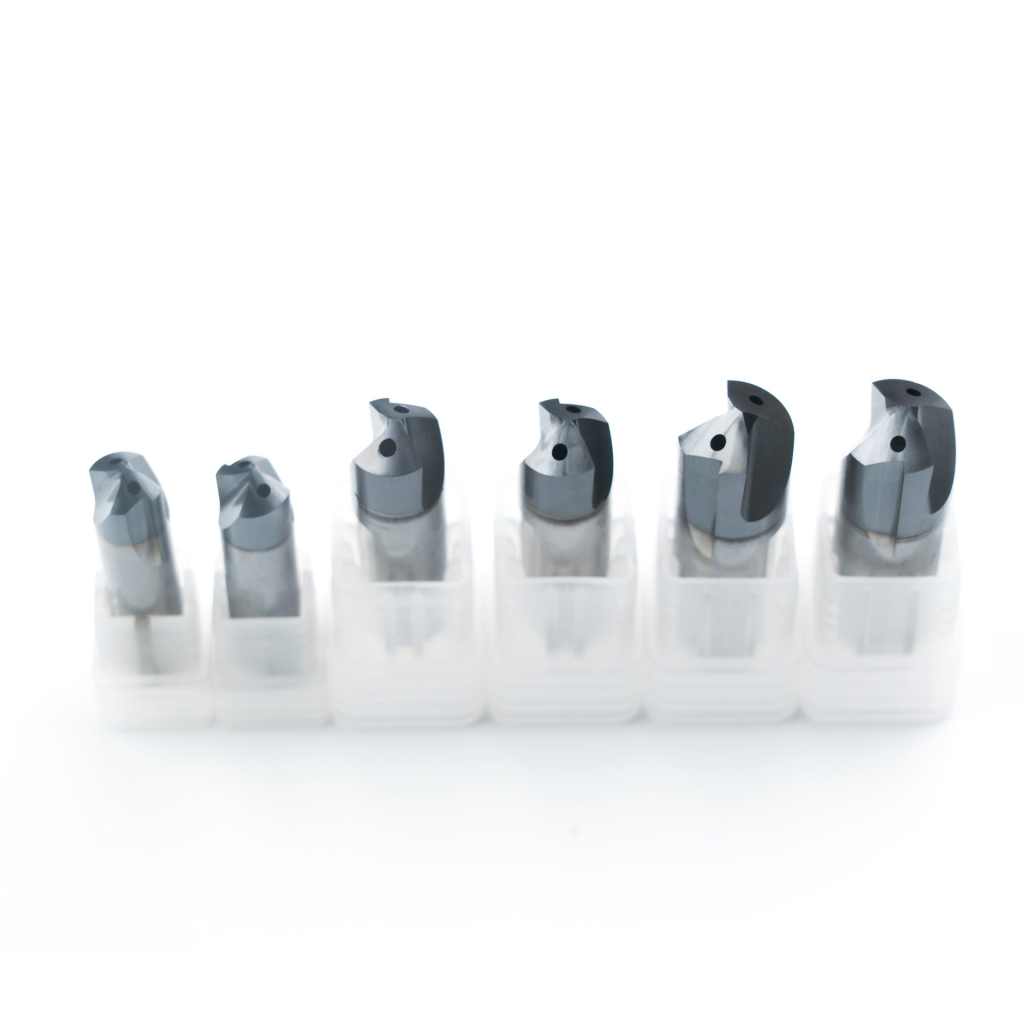
1. Fundamental Purpose and Design Center Drills are short, rigid tools primarily used to create starter holes (center holes) for lathe work or to guide larger drills. They feature a combined pilot tip and countersink angle (typically 60°), ensuring precise alignment for subsequent operations. Deep Hole Drills, in contrast, are specialized long-reach tools designed for drilling holes […]
The Key Differences Between SP-Type U-Drill 2D and 3D Versions
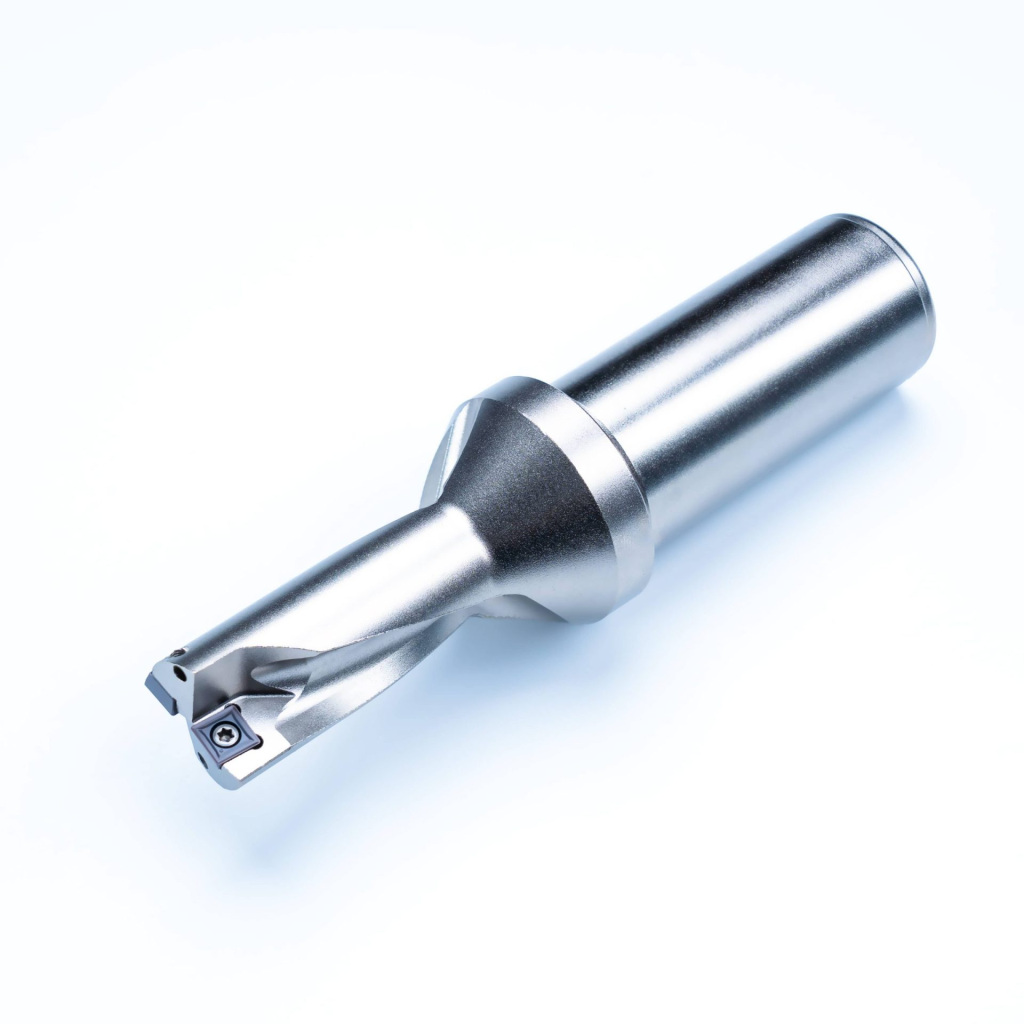
1. Structural Design Philosophy The 2D version of SP-type U-drills features a conventional two-flat-edge design with 180° symmetrical cutting edges, optimized for standard drilling and simple step machining. In contrast, the 3D version incorporates an advanced helical groove geometry with three-dimensional cutting edge distribution, maintaining U-drill’s efficient chip evacuation while enabling complex cavity machining. 2. Cutting Performance Comparison While […]
Essential Considerations for Using WC U-Drills Effectively
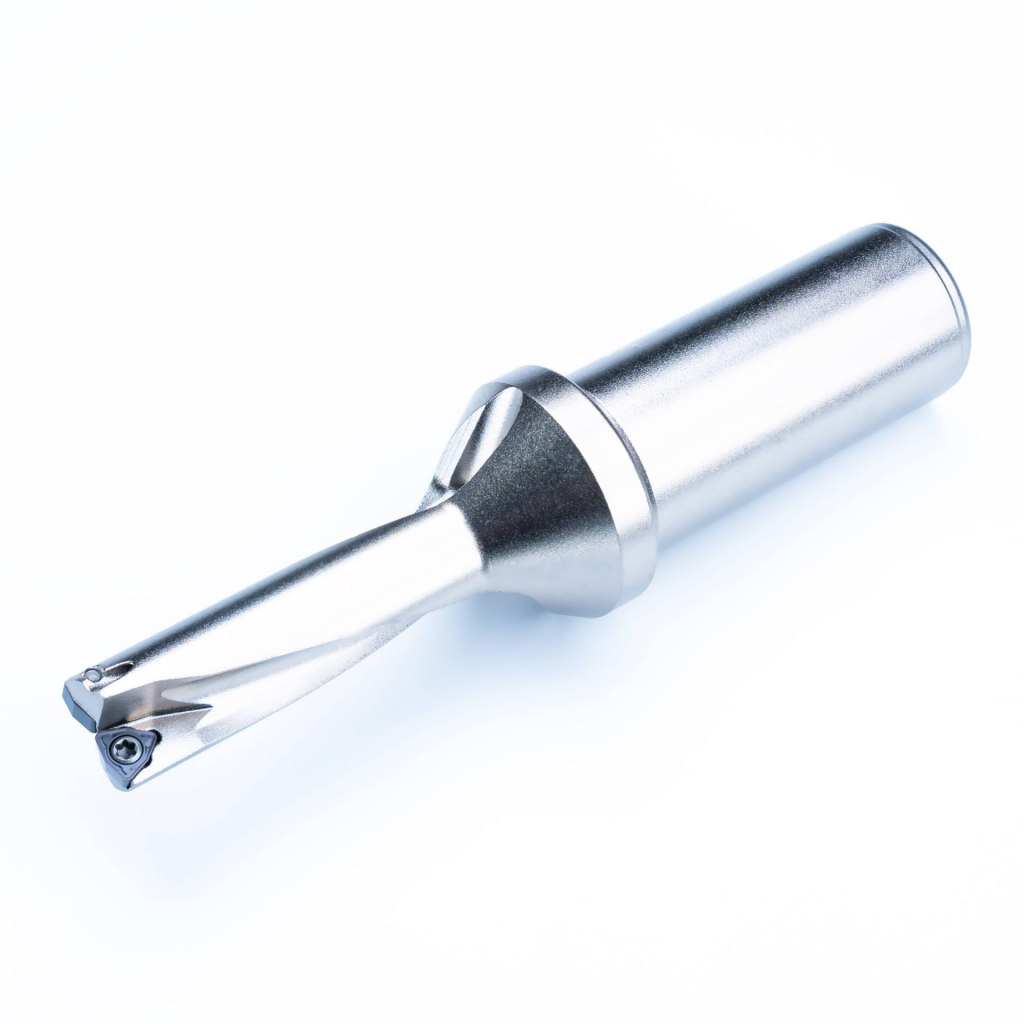
WC (Tungsten Carbide) U-drills demand absolute machine stability due to their brittle nature. Ensure the machining center has minimal runout (<0.02mm) and use high-precision hydraulic or shrink-fit tool holders. The workpiece must be securely clamped, with supporting jigs placed within 3xD of the drilling depth to prevent vibration-induced tool fracture. WC type U-drill 5D […]
Critical Applications of JCD Drills in Modern Manufacturing
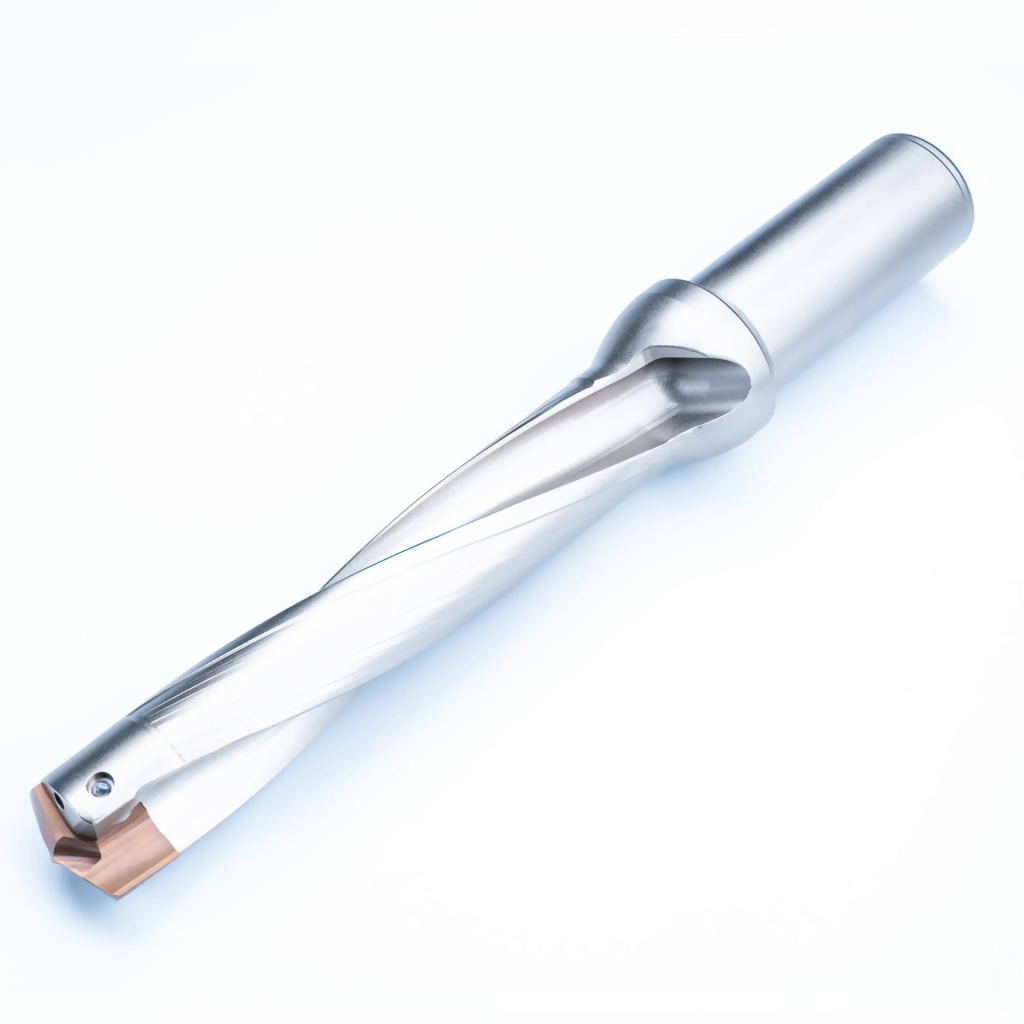
JCD (Jet-Cooled Drill) bits have become indispensable tools in precision machining, particularly for demanding materials and complex geometries. These advanced drills excel in applications where conventional tools fail, combining internal coolant delivery with optimized chip evacuation to solve the most challenging drilling problems across industries. Aerospace Component Machining JCD drills demonstrate exceptional performance in aerospace […]
How to Select the Optimal Grooving Insert: A Technical Guide for Precision Machining
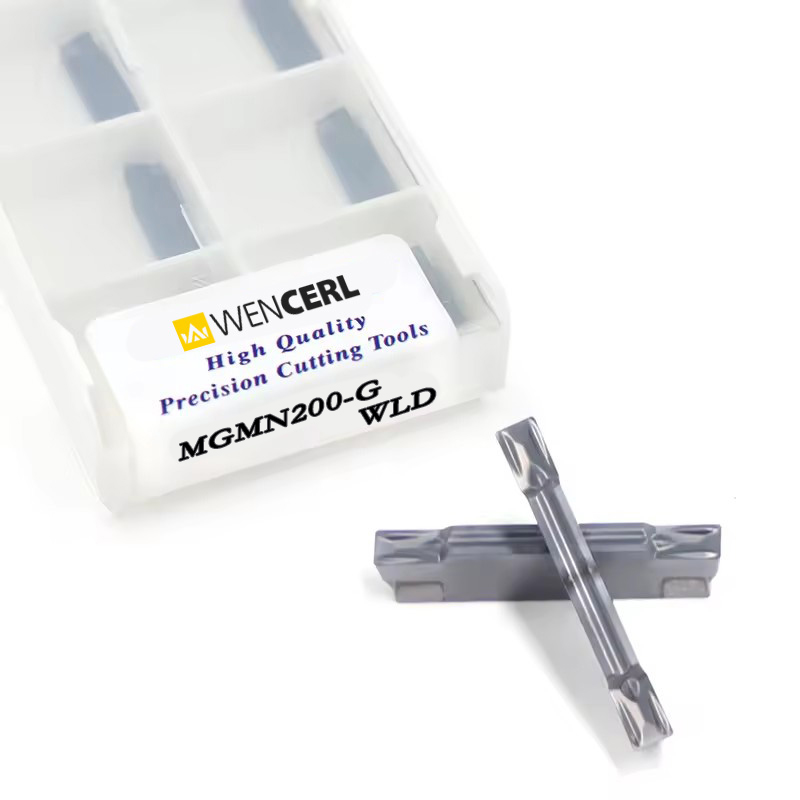
Material-Specific Selection Criteria The foundation of proper grooving insert selection begins with material compatibility. For aluminum alloys, polycrystalline diamond (PCD) coated inserts deliver superior performance, while stainless steel machining demands TiAlN-coated carbide grades. Hardened steels above HRC50 require ceramic or cubic boron nitride (CBN) inserts, with specialized chip breaker geometries essential for cast iron applications. […]