

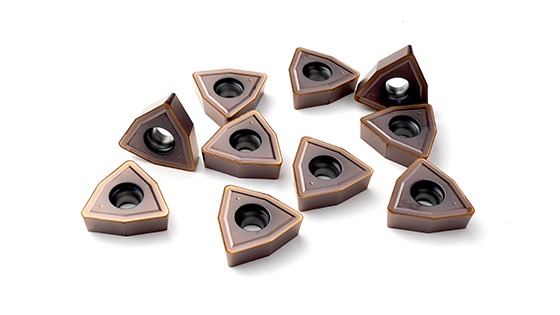
In the world of CNC machining, it may seem counterintuitive to intentionally blunt the edge of cutting tools, but this practice serves several important purposes that enhance machining performance, tool life, and overall productivity. Understanding the reasons behind this technique can help machinists make informed decisions when it comes to tool preparation and machining strategies.Enhanced Edge StrengthOne of the primary reasons for blunting the edge of CNC cutting tools is to increase its strength. A sharp, pristine cutting edge, while excellent for achieving fine surface finishes in some cases, can be quite fragile. When machining hard or abrasive materials, or during operations with high cutting forces, a sharp edge is more prone to chipping and breaking. By blunting the edge slightly, usually through a process called edge honing or edge rounding, the tool gains additional strength at the cutting edge. The rounded or slightly dulled edge distributes the cutting forces more evenly, reducing the stress concentration that can lead to edge failure. This is especially crucial when working with materials like hardened steels, cast irons, or composites, where the risk of edge damage is high. For example, in the rough machining of large cast – iron components, a blunted – edge cutting tool can withstand the impact forces better, ensuring a more reliable and longer – lasting cutting performance.Improved Heat DissipationCutting operations generate a significant amount of heat, and excessive heat can cause rapid tool wear, dimensional inaccuracies in the workpiece, and even affect the material properties of the part being machined. A sharp cutting edge can concentrate heat at a single point, leading to higher temperatures in that area. Blunting the edge creates a larger contact area between the tool and the workpiece, which helps to spread out the heat more effectively. This increased surface area for heat transfer allows for better heat dissipation into the workpiece and the surrounding coolant, if used. As a result, the temperature at the cutting edge remains lower, reducing the risk of thermal damage to the tool and extending its lifespan. In high – speed machining operations, where heat generation is particularly intense, blunted – edge tools can maintain their cutting performance for longer periods compared to sharp – edged ones.Reduced Built – up Edge FormationBuilt – up edge (BUE) is a common issue in machining, especially when working with soft or ductile materials such as aluminum alloys or certain types of plastics. BUE occurs when small pieces of the workpiece material adhere to the cutting edge during the machining process, forming a built – up layer that can negatively impact the surface finish and dimensional accuracy of the machined part. A slightly blunted cutting edge reduces the tendency for BUE formation. The reduced sharpness and the modified edge geometry make it more difficult for the workpiece material to stick to the tool, as the cutting action is less likely to cause the material to weld onto the edge. This results in a cleaner cutting process, better surface finish, and more consistent machining results. For instance, when milling aluminum parts, using a cutting tool with a blunted edge can prevent BUE – related defects, saving time on post – machining finishing operations.

Compatibility with Different Machining ConditionsNot all machining operations require a super – sharp cutting edge. In some cases, such as roughing operations where the goal is to remove large amounts of material quickly, a blunted – edge tool can be more efficient. Blunted edges can handle higher feed rates and depths of cut without excessive stress on the tool, allowing for faster material removal. Additionally, different CNC machines and setups may benefit from blunted – edge tools. Some machines may have limitations in terms of rigidity or vibration control, and a blunted – edge tool can help mitigate these issues by reducing the cutting forces and vibrations during machining. This makes the machining process more stable and reliable, even under less – than – ideal machine conditions.In conclusion, intentionally blunting the edge of CNC cutting tools is a strategic decision based on a variety of factors related to tool performance, material characteristics, and machining requirements. By enhancing edge strength, improving heat dissipation, reducing BUE formation, and adapting to different machining conditions, blunted – edge tools can offer significant advantages in many CNC machining applications. Machinists who understand these benefits can optimize their machining processes, extend tool life, and achieve better – quality results in their manufacturing operations.
Contact us:[email protected]