

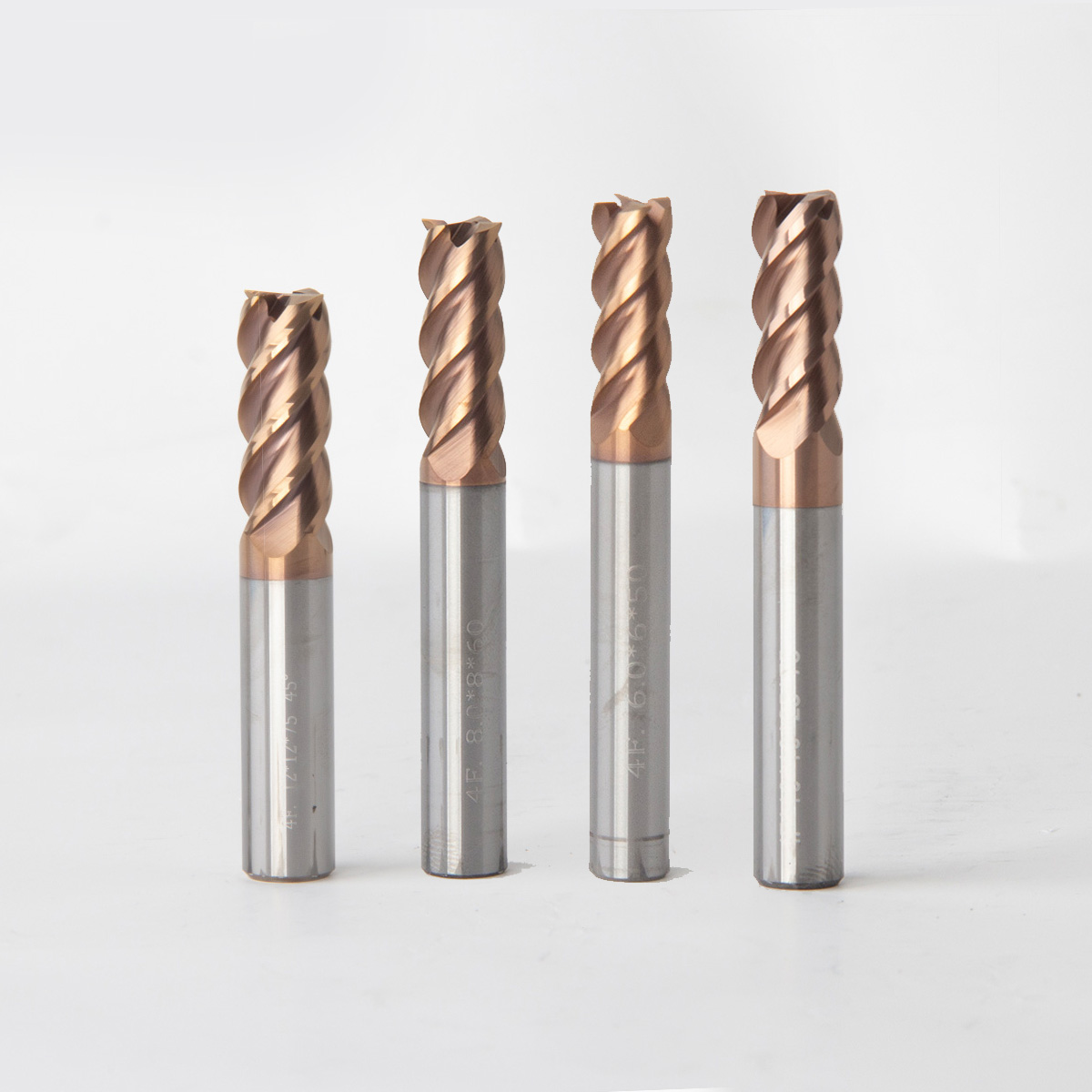
In the realm of machining, both thread milling and thread tapping are widely used methods for creating threaded holes, but thread milling offers several distinct advantages over thread tapping. These advantages make it a preferred choice in many manufacturing applications, especially where precision, efficiency, and flexibility are crucial.Higher Precision and ConsistencyOne of the most significant advantages of thread milling is its ability to achieve higher precision and consistency in thread dimensions. Thread tapping relies on the fixed geometry of the tap, and any variations in the tap’s manufacturing or wear can lead to inconsistent thread sizes. In contrast, thread milling uses a rotating cutter with multiple cutting edges. The milling process allows for precise control over the thread pitch, diameter, and profile. CNC machines used in thread milling can accurately follow programmed paths, ensuring that each thread is cut to the exact specifications. This level of precision is particularly important in applications where tight tolerances are required, such as in the aerospace, automotive, and medical device industries. For example, in the production of engine components, where threads need to fit together precisely to ensure proper sealing and functionality, thread milling can deliver the required accuracy that thread tapping may struggle to achieve.Superior Surface FinishThread milling typically produces a much better surface finish compared to thread tapping. Tapping often results in a rougher surface due to the cutting and shearing action of the tap, which can leave behind burrs, ridges, and tool marks on the thread surface. These imperfections can affect the performance of the threaded connection, especially in applications where corrosion resistance or smooth assembly is critical. Thread milling, on the other hand, creates threads through a shearing and peeling action of the milling cutter’s multiple edges. This process results in a smoother, cleaner thread surface with reduced roughness, improving the overall quality and functionality of the threaded part. A better surface finish also means less friction during assembly, reducing the risk of galling and seizing of the threaded components.Extended Tool LifeThread milling cutters generally have a longer tool life than taps. Taps are subjected to high torque and friction forces during the tapping process, especially when machining hard or tough materials. These forces can cause the tap to break or wear out quickly, leading to frequent tool changes and increased production costs. Thread milling cutters, however, distribute the cutting forces more evenly across multiple cutting edges. Additionally, the lower cutting forces involved in thread milling reduce the stress on the tool, minimizing the risk of breakage and wear. Many thread milling cutters also feature indexable inserts that can be rotated or replaced when worn, further extending the tool’s usable life. This extended tool life not only reduces the cost of consumables but also minimizes downtime associated with tool changes, improving overall productivity.

Greater Flexibility in Thread Sizes and TypesThread milling offers much greater flexibility in terms of the thread sizes and types that can be produced. Taps are available in specific standard sizes, and producing non – standard or odd – sized threads often requires custom – made taps, which can be expensive and time – consuming. Thread milling, on the other hand, can easily produce a wide range of thread sizes, including metric, imperial, and special – sized threads, by simply programming the appropriate tool path on the CNC machine. It can also create different thread types such as straight threads, tapered threads, and multi – start threads with ease. This flexibility allows manufacturers to quickly adapt to changing design requirements and produce a variety of threaded components without the need for a large inventory of taps.Reduced Risk of Tool BreakageThe risk of tool breakage is significantly lower in thread milling compared to thread tapping. Tapping is a relatively rigid process, and if the tap encounters a hard spot in the workpiece, a misalignment, or excessive torque, it can easily break. Broken taps can be extremely difficult to remove from the workpiece, often resulting in scrapped parts and additional costs for repair or replacement. Thread milling, with its more flexible and controlled cutting action, is less likely to break under similar circumstances. The ability to adjust the cutting parameters and the use of multiple cutting edges in thread milling provide better adaptability to variations in the workpiece material and machining conditions, reducing the likelihood of tool failure.In conclusion, thread milling stands out as a more advanced and advantageous method for creating threads compared to thread tapping. Its superior precision, surface finish, tool life, flexibility, and reduced risk of tool breakage make it a valuable technique in modern manufacturing. As industries continue to demand higher – quality, more precise, and customized components, thread milling is likely to play an even more important role in the machining process.
Contact us:[email protected]