

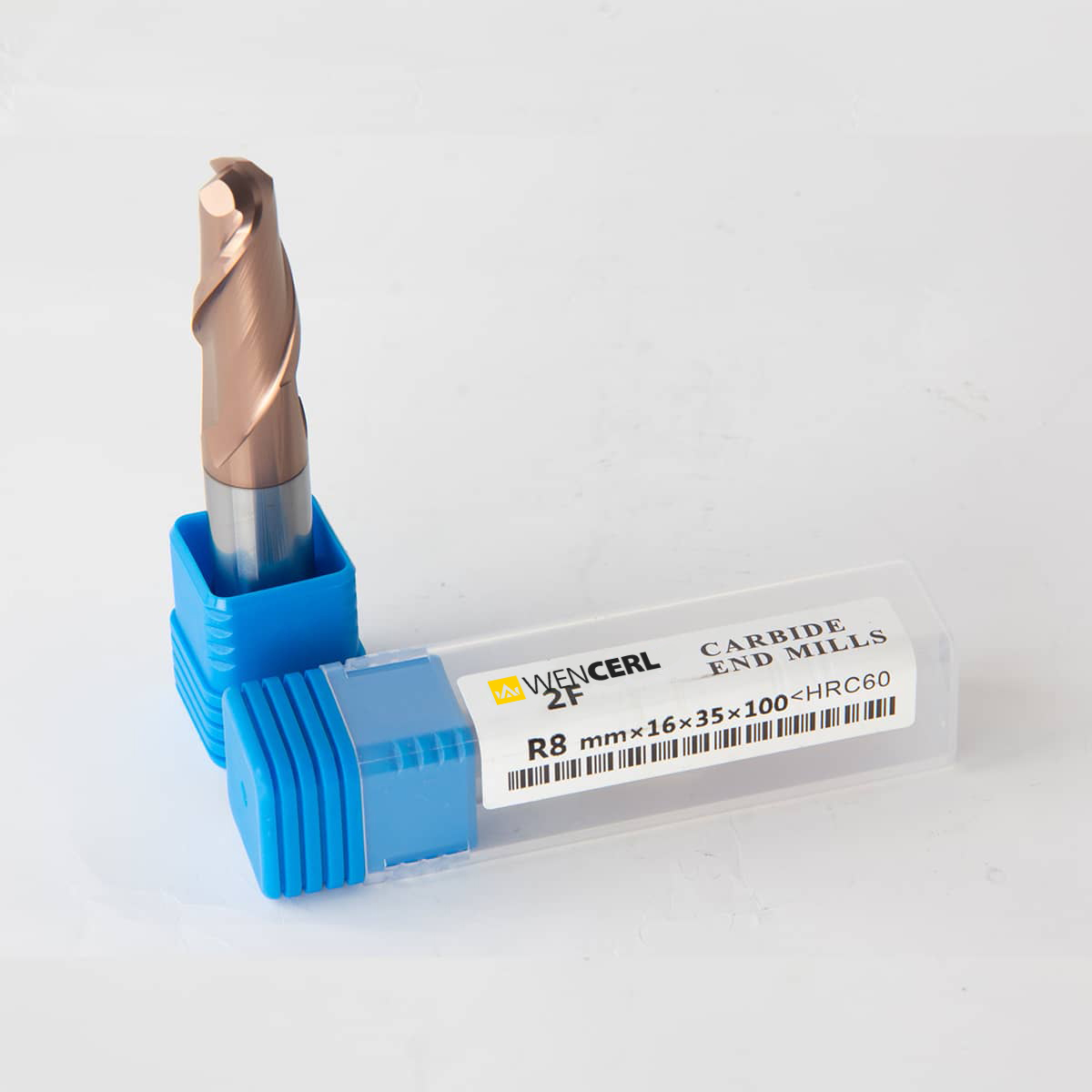
Why End Mills are Crucial in Modern Machining
End mills are cutting tools used in milling applications. They are designed to remove material from a workpiece by making precise cuts. Unlike drill bits, which can only cut axially, end mills are capable of cutting in all directions. This versatility makes them indispensable in various machining operations.
Versatility in Machining Applications
One of the key advantages of end mills is their ability to perform a wide range of machining tasks. From slotting and profiling to contouring and plunging, end mills are suitable for various operations, making them an essential tool in any machine shop. Their design allows for intricate and precise cuts, enabling the production of complex components with tight tolerances.
Material Compatibility and Performance
End mills are available in various materials, including High-Speed Steel (HSS), carbide, and cobalt. Each material offers distinct advantages depending on the machining task. For instance, carbide end mills are known for their hardness and wear resistance, making them ideal for cutting hard materials like stainless steel. On the other hand, HSS end mills offer toughness and are often used for softer materials. Selecting the right material for your end mill is crucial to achieving optimal performance and longevity.
Achieving Superior Surface Finishes with End Mills
Surface finish quality is a critical factor in the success of any machining operation. The design and material of the end mill play a significant role in determining the surface finish of the machined component.
Helix Angle and Surface Finish
The helix angle of an end mill affects the cutting action and the surface finish. A higher helix angle reduces the cutting forces and leads to a smoother surface finish. This is particularly beneficial when machining softer materials where minimizing tool marks is essential. Conversely, a lower helix angle provides more cutting edge strength, which is advantageous when machining harder materials.
Proper Tool Selection for Desired Finish
Choosing the correct end mill is essential for achieving the desired surface finish. Factors such as the number of flutes, coating, and tool geometry should be considered. For instance, a higher flute count end mill provides a smoother finish but may require slower feed rates. Coatings such as Titanium Nitride (TiN) can enhance the performance of the end mill by reducing friction and wear, contributing to a better finish and longer tool life.
Extending the Lifespan of Your End Mills
End mills represent a significant investment, and maximizing their lifespan is crucial for cost efficiency. Proper usage, maintenance, and toolpath optimization are key factors in extending the life of your end mills.
Optimize Cutting Conditions
Running your end mills at the optimal cutting speeds and feed rates is essential for prolonging their life. Excessive speeds or feed rates can lead to premature tool wear and failure. Additionally, using the correct coolant can help reduce heat buildup, further extending the tool’s lifespan.
Regular Tool Maintenance
Routine inspection and maintenance of end mills can prevent unexpected tool failure. Checking for signs of wear, such as chipping or rounding of the cutting edges, allows for timely tool replacement or reconditioning. Proper storage of end mills, such as keeping them in a clean and dry environment, also helps to preserve their condition.
Conclusion: Harnessing the Full Potential of End Mills
End mills are powerful tools that, when used correctly, can significantly enhance the quality of machined components and extend tool life. By understanding the factors that influence surface finish and longevity, such as material selection, tool geometry, and cutting conditions, you can achieve superior results in your machining operations. Investing time in selecting the right end mills and maintaining them properly will pay off in the form of improved performance, reduced costs, and higher-quality products.