

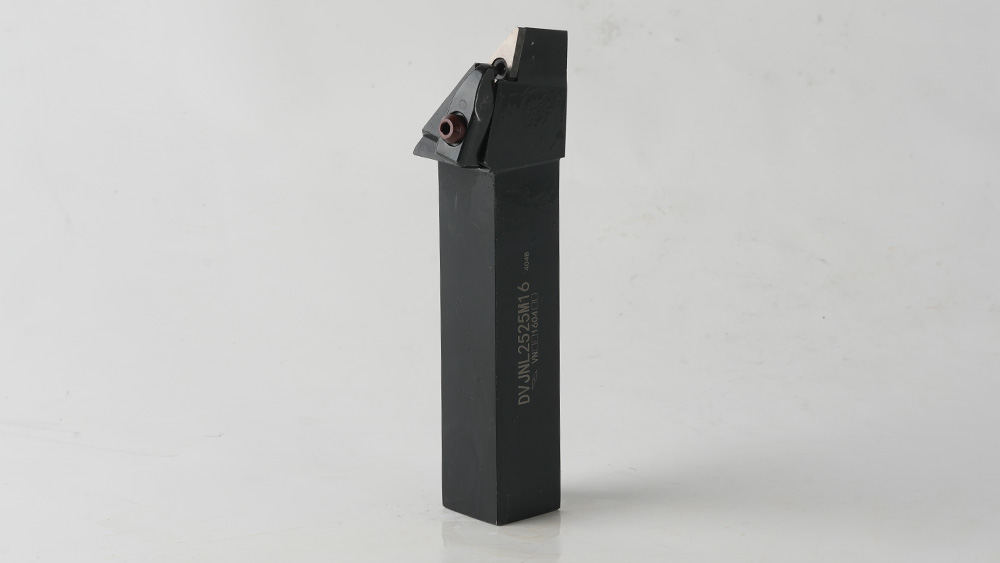
Understanding the Role of Grooving Holders in Machining
Grooving holders are specialized tools used in turning operations to create grooves or slots in a workpiece. These grooves can serve various functions, such as seating O-rings, retaining clips, or creating parting lines. The precision of the groove is critical, as it directly impacts the functionality of the final product.
Types of Grooving Holders
Grooving holders come in several types, each designed for specific applications. The most common types include:
- External Grooving Holders: Used for creating grooves on the outer diameter of a workpiece.
- Internal Grooving Holders: Designed for cutting grooves inside a bore or hole.
- Parting and Grooving Holders: These are versatile tools used for both parting off a section of the workpiece and creating grooves.
Selecting the appropriate type of grooving holder depends on the specific requirements of your machining task, such as the location and depth of the groove.
Key Factors to Consider When Choosing a Grooving Holder
Choosing the right grooving holder involves considering several factors that influence the quality and efficiency of your machining operations.
Material Compatibility
The material of the grooving holder and the workpiece must be compatible to achieve optimal results. For example, carbide-tipped grooving holders are ideal for machining hard materials like steel or cast iron, while high-speed steel (HSS) holders may be more suitable for softer materials like aluminum. Ensuring compatibility will help prevent tool wear and achieve cleaner cuts.
Groove Dimensions
The dimensions of the groove, including its width, depth, and tolerance, are crucial considerations. Grooving holders are available in various sizes and configurations to match these requirements. Selecting a holder that matches the exact dimensions needed for your groove will ensure precision and reduce the likelihood of errors.
Enhancing Machining Efficiency with the Right Grooving Holder
Using the right grooving holder not only improves the quality of your work but also enhances overall machining efficiency.
Tool Stability and Rigidity
The stability and rigidity of the grooving holder are essential for preventing tool deflection during cutting operations. A stable toolholder minimizes vibrations, leading to a smoother finish and more accurate groove dimensions. Investing in high-quality grooving holders with solid construction can significantly reduce tool chatter and improve the consistency of your cuts.
Ease of Tool Change and Setup
Efficiency in machining often depends on the ease with which tools can be changed and set up. Grooving holders that allow for quick and easy insert changes can save valuable time during production runs. Additionally, holders with adjustable features can accommodate different groove widths and depths, adding versatility to your machining operations.
Maximizing Tool Life and Performance
Proper selection and maintenance of your grooving holders are key to maximizing their lifespan and maintaining high performance levels.
Regular Inspection and Maintenance
Routine inspection of your grooving holders for signs of wear or damage is essential. Worn or damaged holders can lead to poor-quality cuts and increase the risk of tool breakage. Regular maintenance, including cleaning and proper storage, will help extend the life of your grooving holders and ensure consistent performance.
Optimizing Cutting Parameters
Running your grooving holders at the recommended cutting speeds, feed rates, and depths of cut is crucial for preserving their condition. Overloading the tool by exceeding these parameters can lead to premature wear and tool failure. Following the manufacturer’s guidelines for cutting parameters will help you get the most out of your grooving holders.
Conclusion: Selecting the Perfect Grooving Holder for Precision and Efficiency
Choosing the right grooving holder is essential for achieving precision and efficiency in your machining operations. By considering factors such as material compatibility, groove dimensions, tool stability, and ease of use, you can select a grooving holder that meets your specific needs. Proper maintenance and adherence to cutting parameters will further enhance the performance and longevity of your tools, leading to better results and cost savings in the long run.