

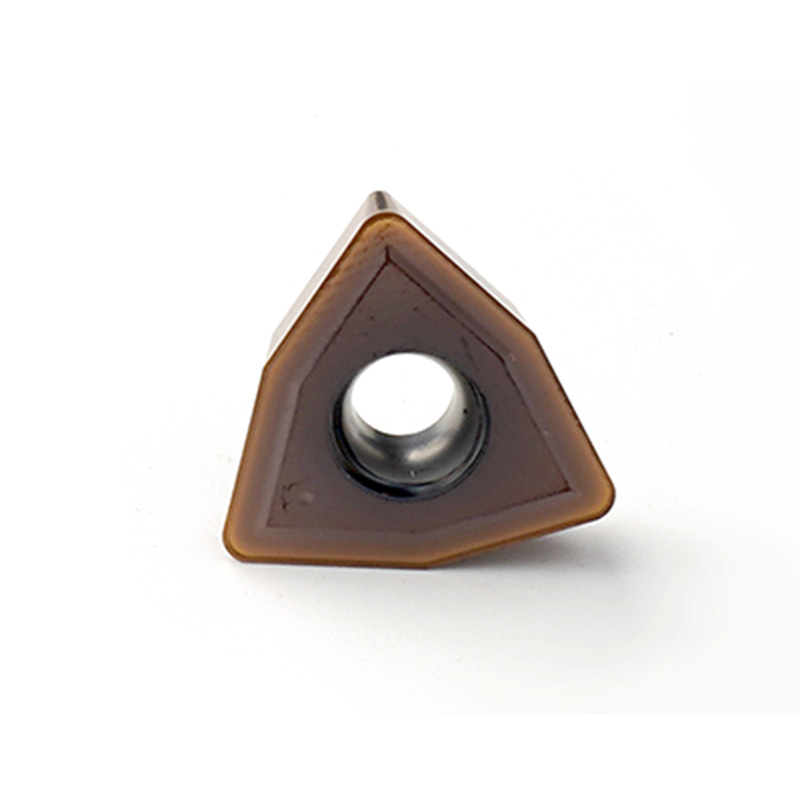
Why Carbide Inserts are Essential in Precision Machining
Carbide inserts are made from a composite material consisting of hard carbide particles bonded together with a metallic binder. This unique composition gives carbide inserts superior hardness and wear resistance, making them ideal for precision machining applications.
Enhanced Durability and Wear Resistance
Carbide inserts are known for their exceptional durability. The hard carbide particles provide resistance to wear, while the metallic binder offers toughness. This combination ensures that the inserts can withstand the high temperatures and forces generated during machining without degrading. As a result, carbide inserts have a longer lifespan compared to traditional steel tools.
Improved Machining Efficiency
Using carbide inserts in precision machining leads to improved efficiency. The hardness of the inserts allows for faster cutting speeds, reducing the overall machining time. Additionally, the wear resistance of carbide inserts minimizes the need for tool changes, further enhancing productivity. This efficiency translates into cost savings for manufacturers.
Achieving Superior Surface Finish with Carbide Inserts
Surface finish is a critical quality parameter in precision machining. Carbide inserts play a vital role in achieving the desired surface finish on machined components.
Reduced Vibrations for Smoother Finish
One of the advantages of carbide inserts is their ability to dampen vibrations during machining. Vibrations can lead to tool chatter, which negatively impacts the surface finish. The rigidity of carbide inserts helps to minimize vibrations, resulting in a smoother and more consistent surface finish.
Precision in Complex Machining Tasks
Carbide inserts are particularly useful in complex machining tasks that require high precision. Their ability to maintain sharp cutting edges even under demanding conditions allows for the accurate machining of intricate shapes and features. This precision is crucial in industries such as aerospace, automotive, and medical device manufacturing, where tight tolerances are essential.
Selecting the Right Carbide Insert for Your Application
Choosing the appropriate carbide insert for a specific machining task is critical to maximizing performance. Factors such as the material being machined, cutting conditions, and desired surface finish should be considered when selecting a carbide insert.
Consider Material Compatibility
Different carbide grades are available, each designed for specific materials. For example, a harder grade may be suitable for machining hard materials like stainless steel, while a tougher grade may be better for softer materials like aluminum. Ensuring compatibility between the carbide insert and the material being machined is essential for optimal performance.
Optimize Cutting Conditions
The cutting conditions, including speed, feed rate, and depth of cut, should be optimized to match the capabilities of the carbide insert. Running the insert at the recommended parameters will help to maximize its lifespan and ensure consistent performance.
Conclusion: Carbide Inserts as a Game-Changer in Precision Machining
Carbide inserts have revolutionized precision machining by offering enhanced durability, improved efficiency, and superior surface finish. Their ability to withstand demanding conditions and maintain sharp cutting edges makes them an invaluable tool in modern manufacturing. By selecting the right carbide insert for your application and optimizing cutting conditions, you can unlock the full potential of your machining processes, achieving unparalleled precision and performance.