

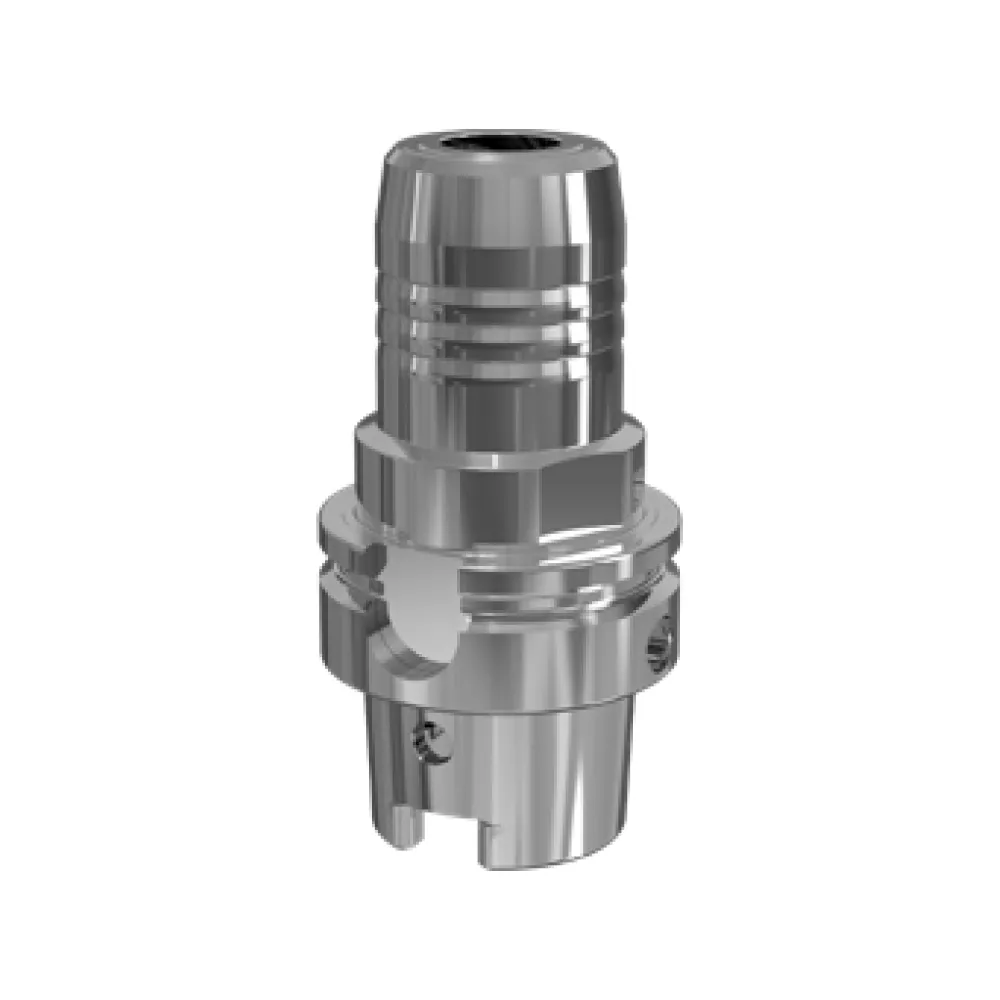
Tool holders, indispensable components in machining and manufacturing, have a rich history that reflects the evolution of human craftsmanship and technological progress. Understanding their origin provides insights into how manufacturing techniques have developed over time.The concept of tool holding can be traced back to ancient times when humans first started using simple tools for various tasks. Early craftsmen, such as stone carvers and metalworkers, needed ways to secure their tools during operations. In the Stone Age, primitive “holders” were often just hand – grips or bindings made from materials like leather, vines, or animal sinews. These rudimentary setups allowed artisans to have better control over their stone – chisels or bone – awls, enabling them to shape materials for tools, weapons, and basic utensils. As metalworking emerged, blacksmiths used simple fixtures to hold metal pieces in place while forging. These might have been as basic as a sturdy anvil with slots or holes to position tools and metal stock, facilitating hammering and shaping processes.The real development of more structured tool – holding systems began during the Industrial Revolution. With the advent of machine tools like lathes, milling machines, and drill presses, the need for reliable and efficient tool – holding mechanisms became paramount. In the early days of lathe development, simple tool – resting setups were used. For instance, a flat surface attached to the lathe bed served as a support for cutting tools, and the tool was held in place by the operator or with basic clamping devices. However, as machining requirements became more precise and complex, these basic arrangements were no longer sufficient.Engineers started to design more sophisticated tool – holding devices. One of the early significant advancements was the development of the tool post for lathes. The tool post provided a dedicated mounting point on the lathe carriage, allowing for easier and more accurate tool positioning. It typically featured a clamping mechanism that could securely hold different types of cutting tools, such as turning tools and boring bars. This innovation enabled operators to change tools more quickly and improve the repeatability of machining operations. As the capabilities of machine tools expanded, tool – holding systems became more specialized. Milling machines, for example, required tool holders that could firmly grip end mills, drills, and other cutting tools while withstanding the high – speed rotations and cutting forces involved.
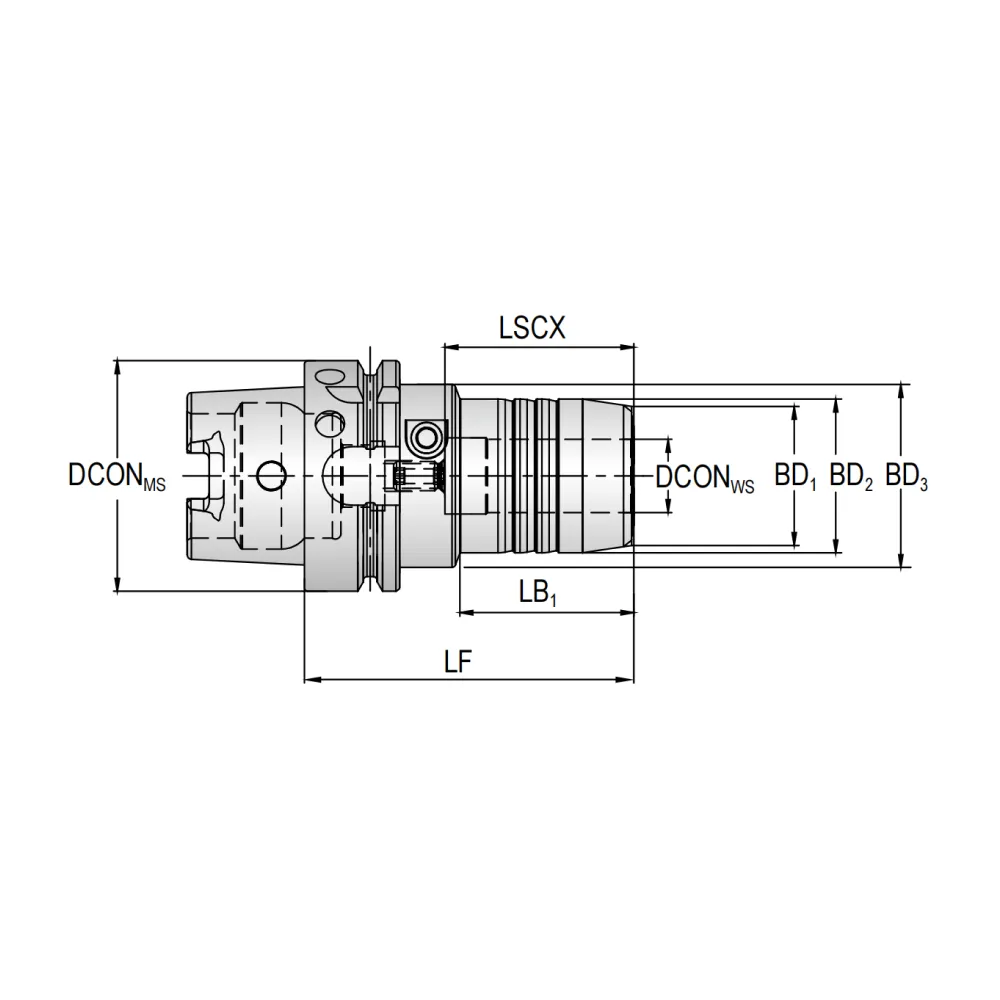
Over time, the design of tool holders continued to evolve with the introduction of new materials and manufacturing techniques. The use of high – strength steels, alloys, and later on, advanced engineering plastics in tool – holder construction enhanced their durability, precision, and performance. Innovations like quick – change tool – holder systems revolutionized machining operations by reducing tool – change times, increasing productivity, and improving overall machining efficiency. These systems allowed operators to swap out tools in a matter of seconds, as opposed to the minutes or even hours it might have taken with older, more cumbersome methods.Today, tool holders have become highly engineered components, incorporating features such as precision – ground surfaces, coolant – through capabilities, and advanced balancing mechanisms. In modern CNC (Computer Numerical Control) machining, tool holders play a crucial role in ensuring the accuracy, repeatability, and quality of the machining process. They are designed to work in harmony with a wide range of cutting tools and machine – tool types, from high – speed machining centers to multi – axis lathes.In conclusion, the origin of tool holders dates back to the earliest days of human tool – use and has since evolved in tandem with the growth of manufacturing technology. From simple hand – bindings in ancient times to the highly sophisticated, precision – engineered tool – holding systems of today, each step in their development has been driven by the need to improve machining efficiency, accuracy, and productivity, shaping the modern manufacturing landscape as we know it.
Contact us:[email protected]