

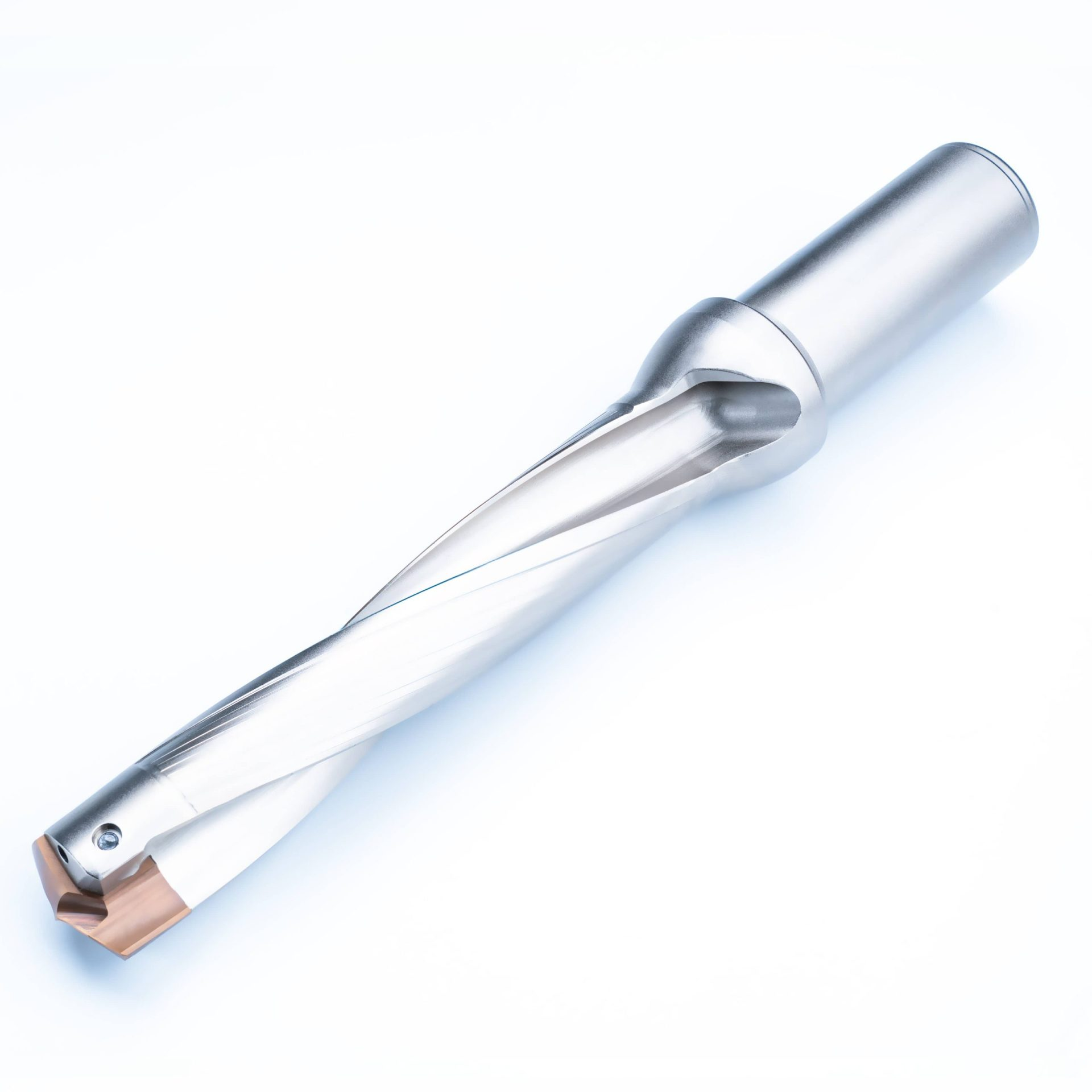
Selecting the perfect drill bit is a crucial decision that can significantly impact the outcome of your drilling projects, whether you’re a professional machinist or a DIY enthusiast. Several key factors come into play when making this choice, and understanding them will help you achieve efficient, accurate, and high – quality results.Material of the Drill BitThe material of the drill bit is fundamental to its performance. High – speed steel (HSS) drill bits are a popular choice for general – purpose drilling. They offer good toughness and can handle a variety of materials, including wood, plastic, and soft metals like aluminum and brass. HSS bits are relatively affordable and suitable for most everyday drilling tasks around the house or in light industrial applications. However, for more demanding applications involving harder materials such as stainless steel, cast iron, or hardened alloys, carbide – tipped or solid – carbide drill bits are preferred. Carbide has excellent hardness and wear resistance, allowing it to maintain a sharp cutting edge even when drilling through tough materials. Cobalt – enhanced HSS drill bits are another option, offering improved heat resistance compared to standard HSS, making them ideal for drilling into heat – resistant metals.Drill Bit SizeChoosing the right size of the drill bit is essential for achieving the desired hole diameter. Measure the diameter of the hole you need accurately and select a drill bit that matches that size precisely. It’s important to note that drill bits are available in a wide range of standard sizes, both in metric and imperial measurements. For tasks that require a specific tolerance or a snug fit, such as drilling holes for screws or bolts, using a drill bit with the exact specified diameter is crucial. Additionally, consider the length of the drill bit. Longer bits are useful for reaching deeper into workpieces but may be more prone to bending and vibration, especially when drilling at high speeds. Shorter bits, on the other hand, offer better stability and are suitable for shallow holes or when working with thin materials.Flute DesignThe flute design of a drill bit affects its ability to remove chips from the drilling site. Straight – fluted drill bits are simple and are often used for drilling soft materials or for applications where chip removal is not a major concern. However, for most common drilling tasks, spiral – fluted drill bits are more effective. The spiral shape of the flutes helps to lift and carry the chips out of the hole as the drill bit rotates, preventing chip clogging, which can lead to overheating and tool breakage. The helix angle of the spiral flutes also matters. A lower helix angle (e.g., 30° – 45°) is suitable for general – purpose drilling and offers a good balance between cutting force and chip evacuation. Higher helix angles (e.g., 60° – 90°) are better for materials that produce long, stringy chips, as they enhance the chip – removal process.
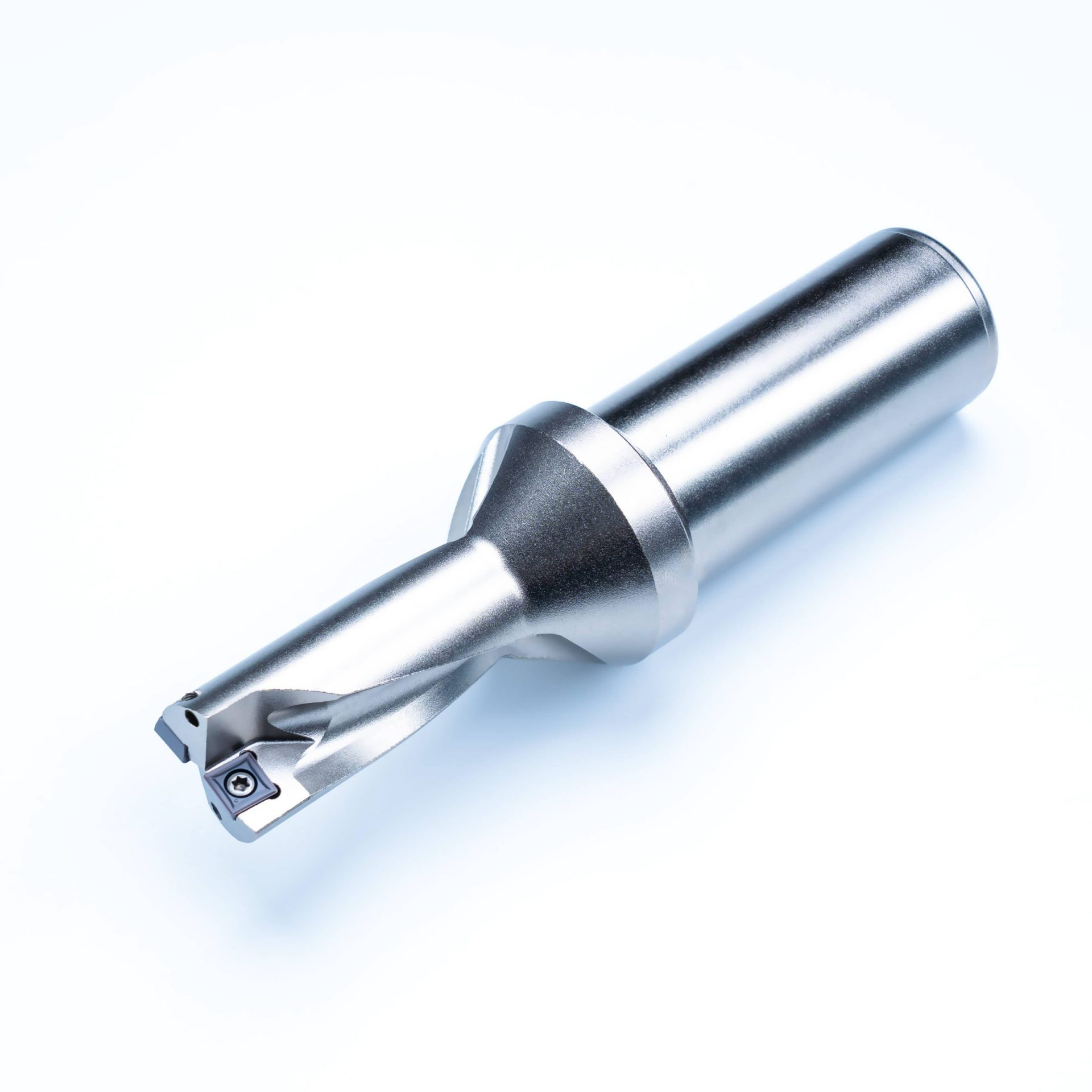
Application – Specific ConsiderationsFinally, consider the specific application for which you need the drill bit. If you’re drilling into wood, you might choose a brad – point drill bit, which has a sharp center point to prevent the bit from wandering and produces clean, accurate holes. For metalworking, jobber – length drill bits are commonly used for general – purpose drilling, while stub – length bits are better for applications where rigidity and stability are crucial. When drilling into masonry or concrete, you’ll need a masonry drill bit with a carbide tip and a special flute design to handle the abrasive nature of these materials.In conclusion, choosing the perfect drill bit requires careful consideration of the material, size, flute design, point angle, coating, and application – specific requirements. By taking the time to assess these factors and select the right drill bit for the job, you can ensure smooth, efficient drilling and achieve the best possible results in your projects.
Contact us:[email protected]