

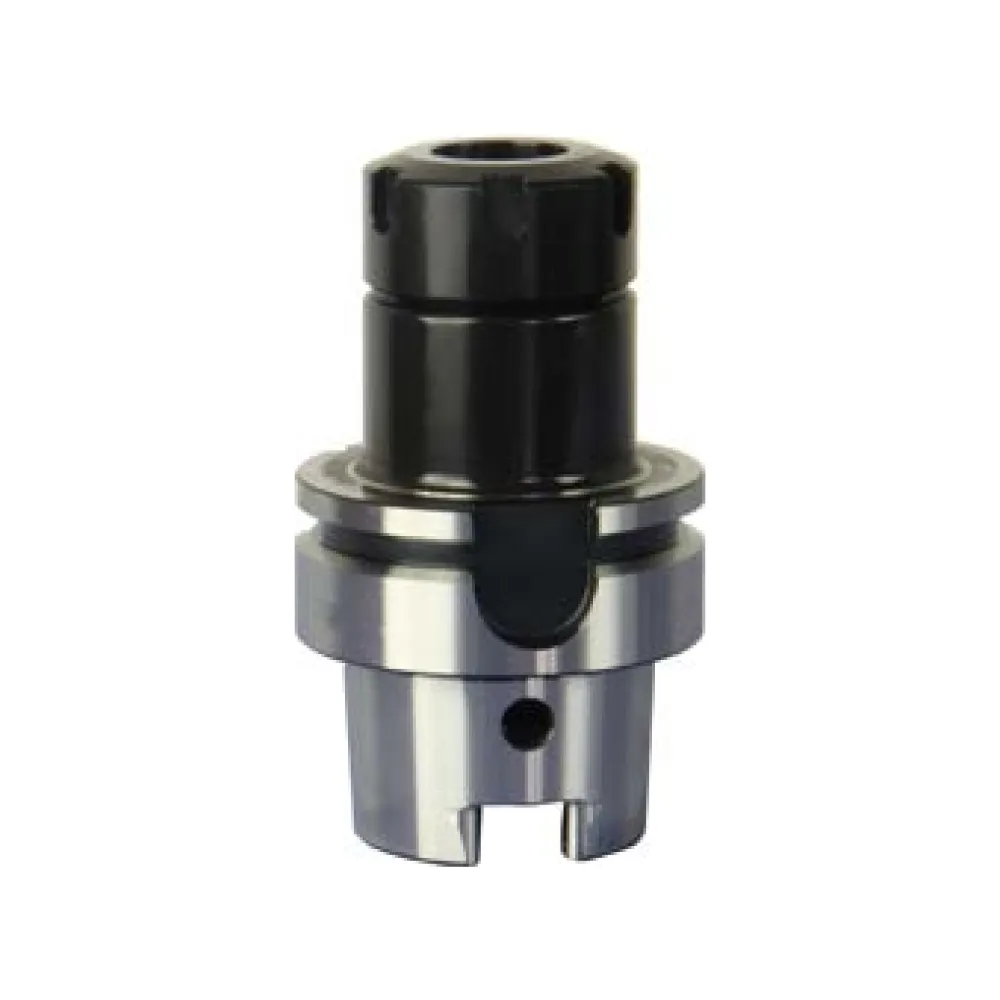
In the intricate world of machining, collets may seem like small, unassuming components, but their significance cannot be overstated. These versatile clamping devices play a crucial role in ensuring the accuracy, efficiency, and safety of machining operations across various industries.Ensuring Precision and AccuracyOne of the primary functions of collets in machining is to provide precise workpiece or tool positioning. Whether it’s holding a drill bit in a drill press or securing a small workpiece in a lathe, collets offer a high level of concentricity. Their uniform clamping force around the circumference of the object being held ensures that it remains centered and stable during machining. This precision is vital for achieving tight tolerances, especially in applications where dimensional accuracy is critical, such as in the production of automotive parts, aerospace components, and precision instruments. Even the slightest misalignment caused by an ineffective clamping mechanism can lead to errors in the final product, resulting in rework, scrap, and increased production costs. Collets, with their ability to hold workpieces or tools with minimal runout, help maintain the required precision throughout the machining process.Efficient Power TransmissionCollets also play a key role in transmitting the rotational or cutting forces from the machine tool to the workpiece or tool. They firmly grip the object, ensuring that the power generated by the machine is effectively transferred without any slippage. In high – speed machining operations, where significant forces are involved, a reliable collet is essential to prevent the tool or workpiece from spinning loose, which could lead to accidents and damage to the machine or the part being processed. By providing a secure and stable connection, collets enable the machine to operate at its optimal performance, allowing for faster material removal rates and increased productivity. This efficient power transmission is particularly important in industries where large volumes of parts need to be produced within tight deadlines.Protecting Tools and WorkpiecesAnother important aspect of collets is their role in protecting both the tools and the workpieces. The even distribution of clamping force by collets reduces the risk of deformation or damage to the held object. For delicate or thin – walled workpieces, using the right collet can prevent crushing or scratching, ensuring that the integrity of the part is maintained. Similarly, for expensive cutting tools, a proper collet helps to safeguard the tool from excessive stress and vibration, which can cause premature wear or breakage. By minimizing these risks, collets contribute to extending the lifespan of both tools and workpieces, ultimately reducing the overall cost of machining operations.

Versatility and AdaptabilityCollets come in a wide variety of types, sizes, and designs, making them highly versatile for different machining applications. There are collets specifically designed for holding round, square, or irregular – shaped objects, as well as those tailored for different machine tools, such as lathes, milling machines, and grinders. Some collets feature quick – change mechanisms, allowing for rapid tool or workpiece replacement, which significantly reduces downtime during machining processes. This adaptability makes collets a preferred choice for manufacturers dealing with diverse production requirements, enabling them to switch between different machining tasks with ease and flexibility.Enhancing Safety in MachiningSafety is a top priority in any machining environment, and collets contribute significantly to this aspect. A properly functioning collet ensures that the workpiece or tool remains securely in place during the machining operation, reducing the risk of it flying off due to centrifugal forces or high – speed rotations. This not only protects the operator from potential injuries but also safeguards the surrounding equipment and the overall workspace. In addition, many modern collets are designed with safety features, such as anti – slip coatings or locking mechanisms, further enhancing the security of the machining process.In conclusion, collets are indispensable components in machining, playing a multifaceted and critical role in precision, power transmission, protection, versatility, and safety. Their importance lies in their ability to optimize machining performance, improve product quality, reduce costs, and ensure the well – being of both the operators and the equipment. As machining technologies continue to evolve, the role of collets in facilitating efficient and accurate manufacturing processes will only become more pronounced.