

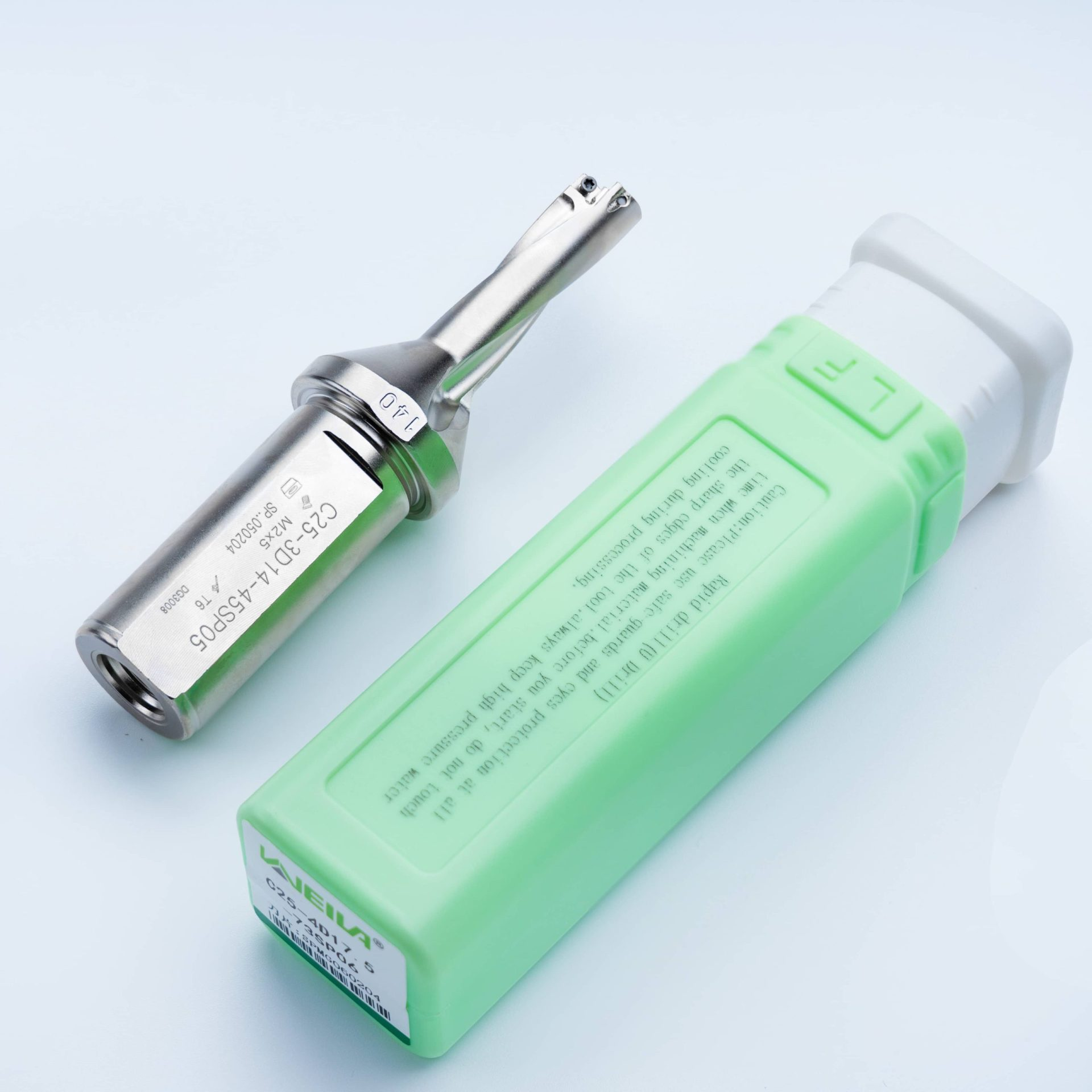
Drilling, a fundamental machining process, has long been valued for its precision and versatility, playing a crucial role in a wide range of industries from manufacturing to construction. Understanding the elements that contribute to its precision and the factors enabling its versatility can offer valuable insights into optimizing its use in various applications.The Pillars of Drilling PrecisionSeveral key factors determine the precision of drilling operations. First and foremost is the quality of the drilling equipment. High – end drilling machines, especially computer – numerical – control (CNC) drills, are equipped with advanced positioning systems that can accurately control the movement of the drill bit, ensuring holes are drilled in the exact location with minimal deviation. The precision of the spindle rotation also matters; a smooth and stable spindle reduces vibrations that could otherwise lead to inaccuracies in hole diameter and location.The choice of drill bit significantly impacts precision as well. High – quality drill bits made from materials like carbide or high – speed steel with precise geometries can maintain their cutting edges better, resulting in consistent hole sizes. For instance, a drill bit with a well – designed point angle can penetrate the workpiece accurately, preventing wandering and ensuring the hole starts in the intended position. Additionally, proper calibration and maintenance of the drill bit, such as regular sharpening and inspection for wear, are essential to uphold precision over multiple drilling operations.Workpiece clamping is another critical aspect. A securely clamped workpiece minimizes movement during drilling, which is vital for achieving accurate hole placement and size. Using appropriate fixtures and clamps that provide even pressure across the workpiece surface helps maintain stability, reducing the risk of errors caused by workpiece shifting. Moreover, the cutting parameters, including the cutting speed and feed rate, need to be carefully selected. An incorrect combination can generate excessive heat, causing the workpiece material to expand and resulting in out – of – tolerance holes.Unveiling the Versatility of DrillingDrilling’s versatility stems from its adaptability to different materials, hole types, and machining requirements. In terms of materials, drills can be used on a vast array of substances. From soft materials like wood and plastic, which require less force and can be drilled with standard drill bits, to hard metals such as steel, titanium, and even superalloys, where specialized drill bits with enhanced hardness and wear resistance are needed. Different coatings on drill bits, like TiN or TiAlN, further expand their application range by improving performance when drilling specific materials.The variety of hole types that can be created showcases drilling’s versatility. Standard cylindrical holes are the most common, but drilling can also produce countersunk holes, counterbored holes, and tapered holes. Each type serves a specific purpose, such as allowing for flat – headed screws to sit flush with the surface (countersunk holes) or creating a recess for a bolt head (counterbored holes). Specialized drill bits and techniques, like using step – drills or adjustable – depth drills, enable the creation of these diverse hole types with ease.Furthermore, drilling can be integrated into various machining processes. It can be a standalone operation for creating holes in components, or it can be combined with other processes like tapping (to create internal threads), reaming (to enlarge and finish holes to a precise size), or boring (to enlarge existing holes with high precision). This integration makes drilling an essential part of complex manufacturing workflows, where multiple operations are required to produce finished parts.

Applications Demonstrating Precision and VersatilityIn the automotive industry, drilling’s precision is crucial for manufacturing engine blocks, cylinder heads, and transmission components. Holes need to be drilled with extremely tight tolerances to ensure proper fitment of parts, such as pistons in cylinders or bolts securing different engine components. At the same time, the versatility of drilling allows for the creation of various hole types and sizes required for different functions, from coolant passages to oil galleries.In the aerospace sector, where lightweight yet strong materials like aluminum alloys and composites are widely used, precision drilling is essential to avoid weakening the materials. The ability to drill accurately – sized holes for fasteners and structural connections ensures the integrity and safety of aircraft. Meanwhile, the versatility of drilling enables the machining of complex geometries in aerospace components, adapting to the unique design requirements of this industry.In the construction field, drilling is used for a multitude of tasks. From creating holes for installing anchor bolts in concrete structures, which demands a certain level of precision to ensure structural stability, to boring holes for plumbing and electrical conduits, showcasing its versatility in handling different materials and requirements on the construction site.In conclusion, the precision and versatility of drilling make it an indispensable process in modern manufacturing and construction. By understanding the factors that influence precision and the aspects that enable versatility, industries can leverage drilling to its fullest potential, creating high – quality products and structures efficiently and accurately.
Contact us:[email protected]