

1. Introduction
Cutting tool precision and stability directly influence production efficiency, surface quality, and overall operational costs in modern CNC machining. A secure and stable tool holding system ensures that cutting forces are effectively transferred from the machine spindle to the tool without causing vibration, tool deflection, or slippage. Among various tool-holding systems, the Swallow Tail Tool Holder has gained widespread use in high-precision and heavy-duty machining applications. Its unique design allows manufacturers to achieve higher machining accuracy, improved repeatability, and longer tool life, making it an essential component for operations in industries such as aerospace, automotive, and mold making.
2. What Is a Swallow Tail Tool Holder?
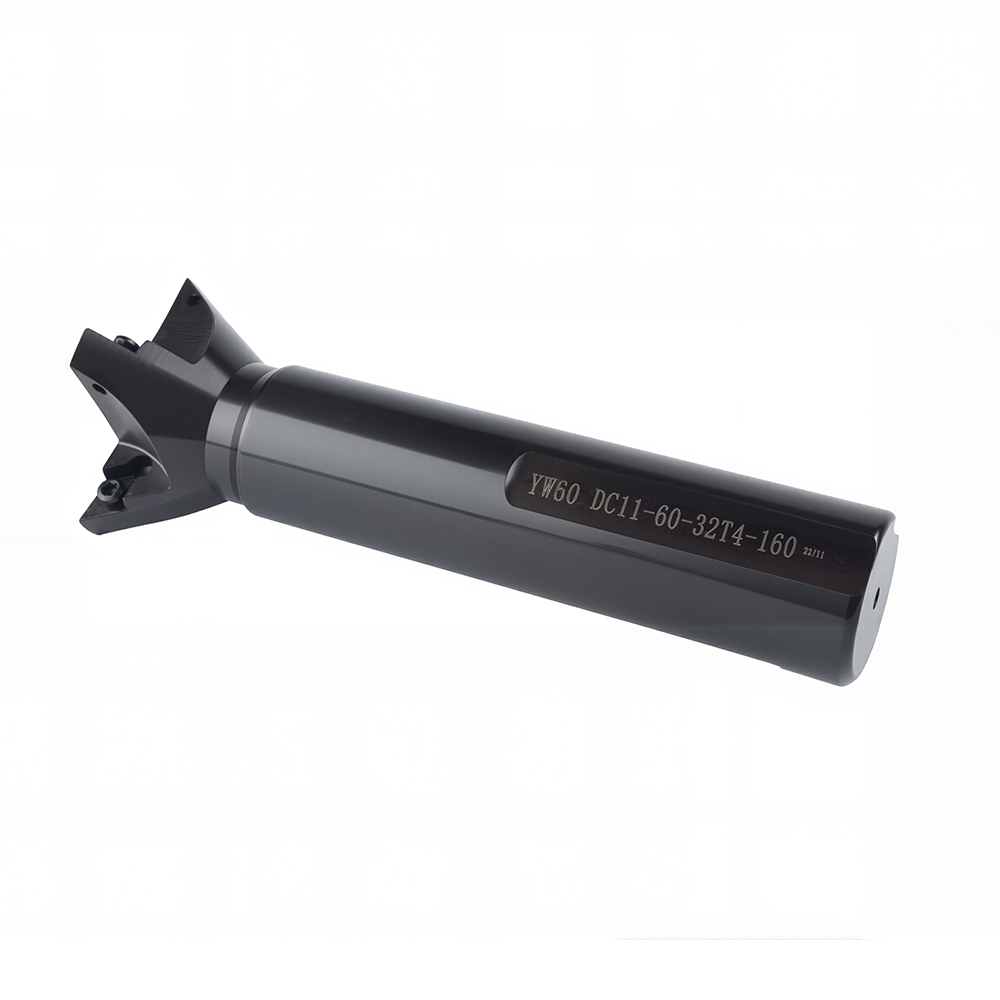
A swallow-tail tool holder, also known as a dovetail-style tool holder, is designed to provide secure and rigid clamping of cutting tools in CNC machines. Unlike conventional collet or hydraulic holders, the swallow tail design features a dovetail-shaped interface that mechanically locks the tool holder into the machine spindle or fixture. This design minimizes the risk of tool pull-out and ensures maximum contact between the holder and the machine interface. Swallow tail tool holders are typically used in milling, heavy cutting, and contour machining, where stability and precision are critical.

3. Structure of a Swallow Tail Tool Holder
Swallow Tail Clamping Interface
The key feature of a swallow-tail tool holder is its dovetail-shaped clamping interface. This geometry increases the contact area between the holder and the fixture, distributing cutting forces evenly and reducing localized stress. The mechanical interlocking effect of the swallow tail ensures a firm grip, even under high-torque or interrupted cutting conditions. This design also enhances anti-slip performance, making it ideal for demanding machining operations.
Tool Holder Body Design
Swallow tail tool holders are typically constructed from high-strength materials such as alloy steel or hardened steel, which provide excellent rigidity and durability. The body design focuses on minimizing vibrations while maximizing load-bearing capability. A well-designed tool holder body prevents deflection and improves overall machining stability, ensuring consistent surface finish and dimensional accuracy.
Clamping and Fixing Mechanism
The clamping mechanism of a swallow-tail tool holder can vary, but most use mechanical fasteners such as bolts, wedges, or locking screws. The design ensures that the clamping force is evenly distributed along the dovetail interface, maintaining accurate positioning and repeatability during tool changes. This precision reduces setup errors and improves production efficiency.
4. How Does a Swallow Tail Tool Holder Work?
The operation of a swallow-tail tool holder is straightforward but highly effective. The cutting tool is mounted into the holder, which is then inserted into the machine spindle or fixture. As the holder is secured, the dovetail interface engages, mechanically locking the tool in place. This prevents tool slippage during machining and distributes cutting forces evenly across the interface. Even in heavy-duty or high-torque operations, the tool holder maintains stability, ensuring reliable and repeatable machining results.
5. Key Advantages of Swallow Tail Tool Holders
High Clamping Strength and Anti-Slip Performance
The dovetail design provides superior clamping force compared to conventional holders. This makes the swallow-tail tool holder particularly effective in roughing operations or interrupted cuts, where traditional holders may fail or slip.
Improved Machining Stability and Reduced Vibration
By increasing rigidity and reducing vibration, swallow-tail holders improve surface finish and maintain dimensional accuracy. They are especially valuable in high-precision machining applications where chatter can compromise part quality.
High Positioning Accuracy and Repeatability
The mechanical locking feature ensures consistent tool positioning, even after multiple installations. This repeatability reduces setup time and enhances overall process reliability in production environments.
Long Tool Holder Service Life
The even distribution of cutting forces reduces localized wear and prolongs the service life of both the tool holder and the cutting tool. This makes swallow-tail holders a cost-effective choice for long-term industrial use.
6. Typical Applications of Swallow Tail Tool Holders
Swallow tail tool holders are widely used in applications that require high rigidity and stability, including:
- CNC milling operations with heavy cuts
- High-load machining for aerospace and automotive components
- Mold and die manufacturing
- Complex profile and contour machining
- Operations requiring precision and repeatability
Their versatility makes them an ideal choice for manufacturers seeking reliable performance under demanding conditions.
7. Conclusion
A swallow-tail tool holder combines a robust dovetail interface, a rigid body, and precise clamping mechanisms to deliver unmatched stability, repeatability, and tool life. By minimizing vibration and preventing tool slippage, it ensures superior machining accuracy, reduces downtime, and supports high-efficiency production. For manufacturers in aerospace, automotive, mold making, or heavy-duty CNC operations, investing in quality swallow tail tool holders is a strategic decision that enhances productivity, reliability, and overall process quality.
Contact us: [email protected]