

Introduction
In modern CNC machining, the precision and stability of the tool holding system directly influence production efficiency, surface finish, and overall operational costs. Among various tool-holding systems, the Swallow Tail Tool Holder stands out for its ability to provide high rigidity and precise tool positioning. Selecting the right swallow tail tool holder is a strategic decision that directly impacts machining accuracy, tool life, and long-term operational efficiency.
This article highlights the key factors manufacturers and engineers should consider when selecting a swallow tail tool holder, helping you make an informed, cost-effective decision.
Understanding the Swallow Tail Tool Holders
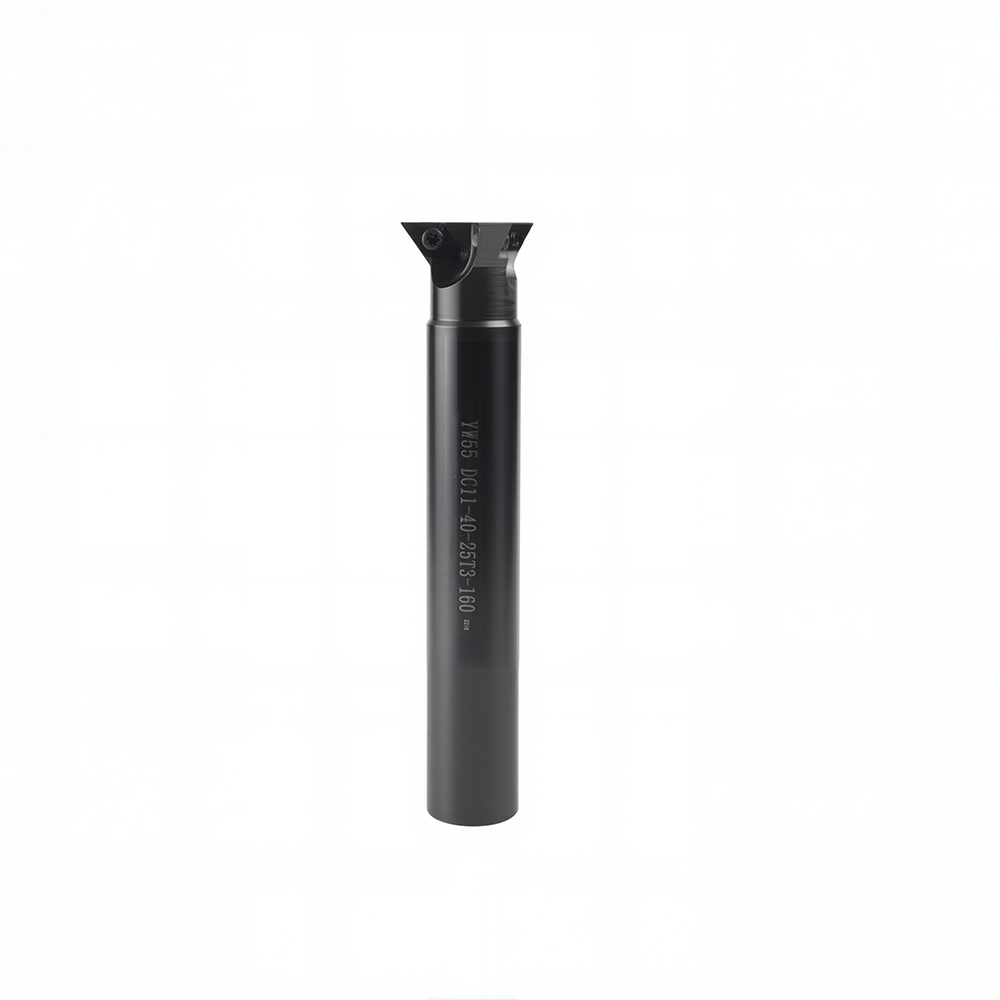
A swallow-tail tool holder, sometimes called a dovetail tool holder, features a specialized clamping design that secures cutting tools firmly in place while minimizing vibration and deflection. These holders are widely used in high-precision milling, heavy-duty machining, and complex profile cutting, thanks to their superior rigidity and repeatable positioning.
Different types of swallow-tail tool holders exist, including standard, heavy-duty, and high-precision models, each optimized for specific machining tasks. Understanding their basic function and design is essential before evaluating them for your application.

Key Factors to Consider When Selecting a Swallow Tail Tool Holder
Machine Compatibility
The first factor to consider is whether the tool holder is compatible with your CNC machine. Check the spindle interface, maximum allowable speed, and machine power. Using a holder that is not suited to your machine can result in poor tool performance, reduced accuracy, and even damage to the spindle. Always ensure the Swallow Tail Tool Holder matches the machine’s specifications for safe and efficient operation.
Clamping Strength and Rigidity
A Swallow Tail Tool Holder’s rigidity directly impacts machining performance. A holder with insufficient clamping strength may allow tool deflection under cutting forces, leading to poor surface finish, reduced tool life, and dimensional errors. Consider the holder’s torque resistance and its ability to maintain tool stability during both roughing and finishing operations. High rigidity is particularly critical for heavy cutting or high-speed machining applications.
Tool Size and Shank Compatibility
The holder must fit the size and type of your cutting tools. Evaluate the tool diameter, length, and shank type (round, square, or special profiles). Correct compatibility ensures efficient force transfer from the spindle to the cutting edge, minimizes vibration, and reduces wear. Using an incompatible tool holder can compromise cutting performance and shorten the lifespan of both the tool and the holder.
Accuracy and Repeatability
In precision machining, even minor deviations can lead to costly errors. Check the repeatability and positioning accuracy of the Swallow Tail Tool Holder. High-precision holders are engineered to maintain consistent alignment across multiple tool changes, ensuring uniform machining results. For industries like aerospace, automotive, or mold manufacturing, this factor is especially critical.
Material and Build Quality
The material and build quality of the holder significantly affect durability and performance. Common materials include high-strength steel and hardened alloys, often combined with surface treatments to resist wear and corrosion. Evaluate the manufacturer’s quality standards and look for indicators such as precise machining tolerances and robust finishing processes. A high-quality holder reduces downtime and maintenance costs over its lifecycle.
Load Capacity and Cutting Conditions
Consider the maximum load and cutting conditions your operations require. Different holders handle varying levels of cutting force, spindle speed, and feed rates. For heavy-duty machining, choose a holder rated for high loads. For high-speed or light finishing, select a holder optimized for precision and minimal vibration. Matching the holder to your cutting conditions protects both the tool and the workpiece from damage.
Maintenance and Longevity
Proper maintenance extends the life of your Swallow Tail Tool Holder. Regular cleaning, lubrication, and inspection prevent premature wear and maintain clamping accuracy. Understanding expected service life and replacement cycles also helps you plan operational costs and avoid unexpected downtime. Investing in a durable holder with manageable maintenance requirements ensures long-term efficiency.
Common Mistakes to Avoid
- Ignoring machine compatibility: Using the wrong interface or speed rating can lead to spindle damage.
- Overlooking rigidity and precision: Low-quality holders may cause tool deflection and poor surface finish.
- Choosing the wrong size or shank type: Misfits can reduce cutting efficiency and increase wear.
- Neglecting maintenance: Failing to maintain the holder shortens its lifespan and affects machining quality.
- Avoiding these mistakes ensures optimal performance and cost-efficiency.
Conclusion
Selecting the right swallow-tail tool holder is a critical step in achieving precise, efficient, and reliable CNC machining. By considering factors such as machine compatibility, clamping strength, tool fit, accuracy, material quality, load capacity, and maintenance requirements, manufacturers can optimize tool performance, reduce operational costs, and improve product quality.
For businesses seeking long-term reliability and performance, partnering with a trusted Swallow Tail Tool Holder manufacturer or consulting experts for custom solutions can make all the difference.
Contact us today to explore high-quality swallow tail tool holder options tailored to your machining needs.
Contact us: [email protected]