

In CNC machining, selecting the right insert is critical for ensuring optimal performance, cost efficiency, and the highest precision in manufacturing processes. With a wide variety of insert types, materials, and coatings available, making the right choice can significantly impact your production line’s overall effectiveness. In this blog, we’ll break down the key factors to consider when choosing inserts.
1. Material Compatibility
The first and most important factor in choosing the right insert is material compatibility. Inserts are designed to handle different types of materials, and selecting the wrong one can lead to poor cutting performance, increased wear, and ultimately reduced tool life. Here’s a look at how materials influence insert selection:
- Carbide Inserts: Carbide is the most common material used for inserts due to its excellent hardness and wear resistance. It’s ideal for cutting most metals and engineering materials.
- Ceramic Inserts: Best suited for machining high-hardness materials, ceramic inserts offer exceptional cutting speeds but require careful control of cutting parameters.
- PCD (Polycrystalline Diamond) Inserts: Ideal for non-ferrous metals and composite materials, PCD inserts offer superior wear resistance and are perfect for high-precision machining.
- CBN (Cubic Boron Nitride) Inserts: These are ideal for high-hardness materials like hardened steels, ensuring clean, high-quality finishes even on tough materials.
Each material has its own set of strengths, making it essential to understand the specific needs of the materials you’re working with before selecting an insert.

2. Cutting Conditions
The next crucial factor is cutting conditions. The speed and feed rate at which you cut directly affect the performance of your insert. Understanding these conditions will help you select the optimal insert for your machining needs:
- Cutting Speed: Higher cutting speeds require inserts that can withstand higher temperatures and reduce friction. For high-speed machining, consider inserts with coatings like TiAlN, which provide heat resistance.
- Feed Rate: Adjusting the feed rate also impacts the insert’s performance. A high feed rate can cause excessive wear on the insert, while too low a feed rate can result in inefficient cutting. Make sure your insert is designed to handle the feed rate required for your specific operation.
- Rough vs. Finish Cutting: For rough cuts, durability is the key, and inserts with larger cutting edges or coatings are often chosen. For fine finishes, inserts with sharper edges and precision coatings are better suited.
By matching your insert to the cutting conditions, you can optimize tool life and cutting efficiency.
3. Insert Geometry
Insert geometry plays a major role in determining how an insert performs under various cutting conditions. The shape and size of the insert affect the cutting forces, surface finish, and tool life. Here are key geometric factors to consider:
- Rake Angle: Inserts come with positive or negative rake angles. Positive rake angles reduce cutting forces, making them ideal for softer materials, while negative rake angles provide better stability for harder materials.
- Cutting Edge Length: A longer cutting edge enhances the insert’s stability during machining and increases tool life, but it may also increase cutting forces. Choosing the right edge length ensures the best balance between cutting stability and tool life.
- Chip Breakers: The use of chip breakers is crucial for controlling the chip formation during cutting, which ultimately affects surface finish and insert life. Selecting an insert with the correct chip breaker for the material being machined can significantly improve performance.
Choosing the right geometry ensures that your insert will work efficiently in your specific application, reducing tool wear and improving the quality of the final product.
4. Coatings
Coatings on inserts can make a significant difference in their performance and durability. Coatings protect the insert from wear, reduce friction, and help the tool withstand high temperatures. The choice of coating is often determined by the material being machined and the cutting conditions.
- TiN (Titanium Nitride) Coating: A popular choice for general-purpose cutting, TiN coatings increase wear resistance and provide a shiny gold finish.
- TiAlN (Titanium Aluminum Nitride) Coating: Perfect for high-speed cutting and high-temperature operations, TiAlN coatings enhance oxidation resistance and improve insert longevity.
- DLC (Diamond-Like Carbon) Coating: DLC coatings offer superior hardness and wear resistance, ideal for machining hard and abrasive materials.
The right coating will significantly extend the insert’s life and improve cutting performance, especially in high-heat and high-wear environments.
5. Insert Durability and Tool Life
Durability and tool life are critical factors to consider when choosing inserts, especially when trying to balance performance and cost-effectiveness. While high-performance inserts often come with a higher initial cost, they can provide longer tool life and fewer tool changes, reducing downtime and maintenance costs.
- Insert Life: A longer tool life can lead to more consistent production and reduced need for replacements, translating to higher productivity and lower overall costs.
- Cost-Effectiveness: While it may be tempting to opt for cheaper inserts, lower-quality tools may wear out faster and require more frequent replacements, leading to higher long-term costs. Investing in higher-quality inserts with longer life can pay off in the long run.
It’s important to weigh the cost of the insert against the potential increase in productivity and savings on tool replacements.
6. Supplier Reliability
Finally, choosing a reliable supplier can make a huge difference in ensuring that your inserts meet the highest quality standards and are delivered on time. When selecting an insert supplier, consider the following:
- Product Quality: Ensure that the supplier offers high-quality, well-manufactured inserts that meet industry standards.
- Delivery and Lead Times: A reliable supplier will provide timely deliveries, ensuring minimal disruptions to your production line.
- After-Sales Support: Good customer support is crucial for troubleshooting issues and ensuring that you’re getting the best out of your inserts.
By choosing a trusted supplier, you ensure consistent performance and availability of the right inserts for your needs.
Conclusion
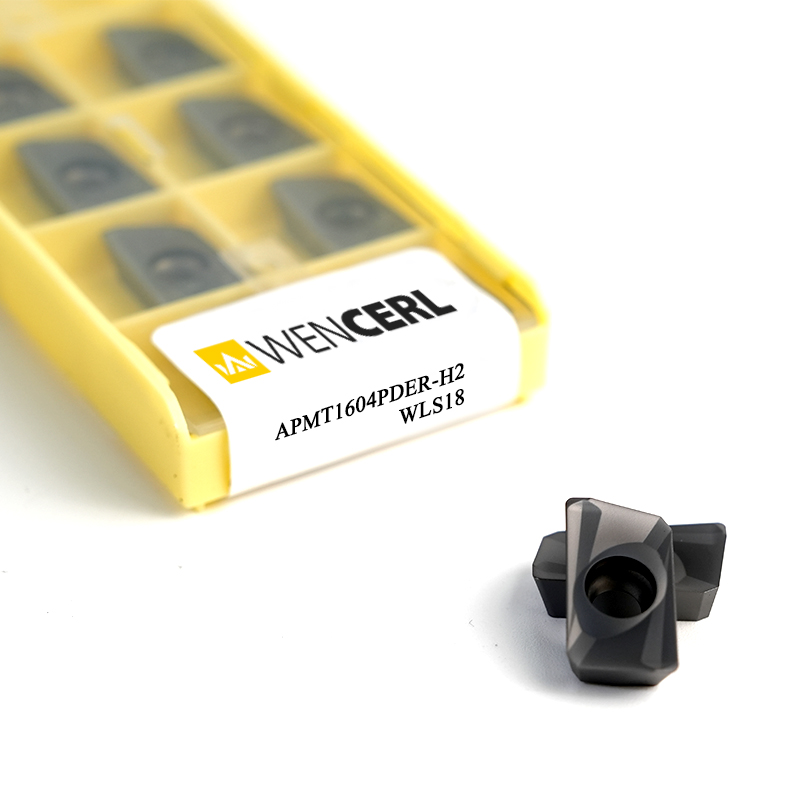
Choosing the right insert for your CNC machining operations is essential to optimize productivity, reduce downtime, and enhance the overall quality of your products. By considering factors like material compatibility, cutting conditions, geometry, coatings, durability, and supplier reliability, you can ensure that your insert selection meets the specific needs of your manufacturing processes.
If you’re unsure which inserts are right for your business, consult with us to help guide you to the best solution based on your production needs.
Contact us: [email protected]