

Introduction
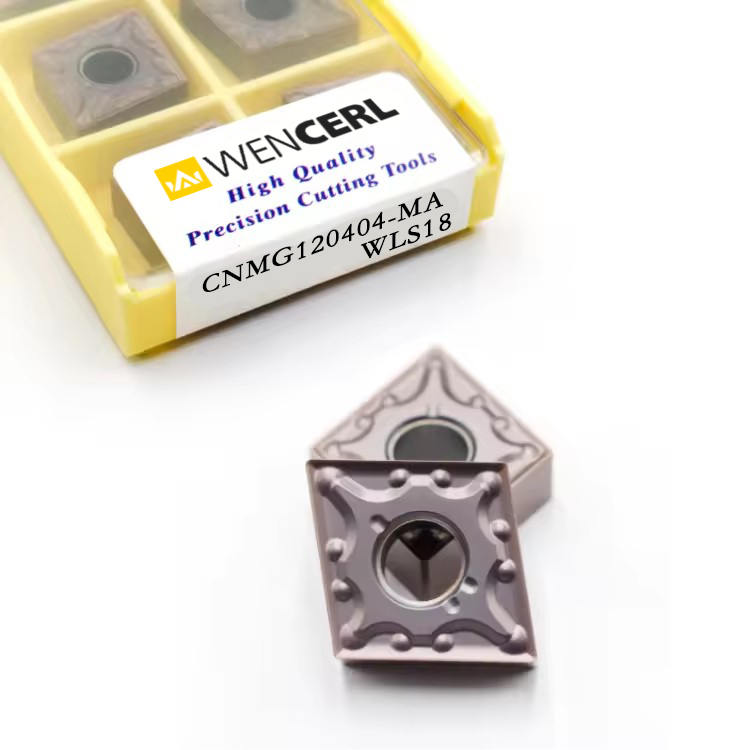
Inserts, also known as cutting tool inserts, are a crucial component in CNC machining. These small but powerful tools are designed to fit into a toolholder and are used for various cutting operations in manufacturing processes. The benefits of using inserts go beyond just cost savings. They can significantly improve production efficiency, extend tool life, enhance precision, and allow manufacturers to work with a wide range of materials. In this blog, we’ll explore how inserts help companies optimize their machining processes, reduce costs, and enhance overall performance.
1. Reducing Tooling and Production Costs
One of the most significant benefits of using inserts is their ability to reduce tooling and production costs. Inserts are more cost-effective than solid cutting tools for several reasons.
- Longer Tooling Life: Inserts are designed to be replaceable, allowing manufacturers to reuse the toolholder while only changing the insert itself. This not only reduces the upfront cost of tooling but also minimizes the frequency of tool replacements.
- Faster Changeovers: Inserts can be swapped quickly, which means less downtime during machine setups. This quick-change capability can boost production efficiency, reducing the total time spent on tool changes.
- Cost-Effective Materials: Inserts come in various materials, such as carbide, ceramic, and cermet, each suited for different machining applications. By selecting the right material for the task, manufacturers can achieve a balance between cost and performance.
By switching to inserts, manufacturers can significantly reduce the overall cost of tooling and improve the bottom line.
2. Longer Tool Life and Durability
Another key advantage of inserts is their durability. High-quality inserts, made from advanced materials like carbide or ceramic, offer extended tool life compared to traditional solid tools.
- Material Strength: Inserts made from materials like carbide are known for their hardness and wear resistance, allowing them to withstand high temperatures and heavy-duty cutting operations.
- Optimized Cutting Parameters: By adjusting cutting speeds, feeds, and depths of cut based on the insert material, manufacturers can maximize tool life while maintaining performance.
- Less Frequent Tool Changes: Due to their longer lifespan, inserts require less frequent replacement, resulting in less downtime and a more streamlined production process.
By choosing the right insert material and optimizing machining conditions, manufacturers can significantly increase the life cycle of their tools and reduce overall production costs.
3. Improved Precision and Surface Finish
Precision and surface finish are critical factors in high-quality machining. Inserts can enhance both of these aspects, leading to improved product quality and reduced post-processing costs.
- Superior Cutting Performance: Inserts are designed with advanced geometries that provide smoother cuts and improved surface finishes. For example, inserts with finer coatings or specialized designs can reduce cutting forces and vibrations, leading to better surface integrity.
- Tight Tolerances: High-precision inserts made from materials like PCD (Polycrystalline Diamond) or CBN (Cubic Boron Nitride) are excellent choices for machining hard materials such as aerospace alloys or hardened steels, where tight tolerances are essential.
- Better Surface Quality: The ability to achieve a smooth finish with minimal defects is a significant advantage of using inserts. A well-maintained insert ensures minimal tool marks and better aesthetics, which is especially critical in industries such as automotive and medical device manufacturing.
Investing in high-quality inserts not only enhances the surface finish of machined parts but also helps in maintaining tight tolerances throughout the production process.
4. Adapting to Different Materials and Processes
Inserts offer exceptional versatility, making them suitable for a wide range of materials and machining operations. This adaptability is essential for manufacturers who need to work with different materials or are required to switch between various production processes.
- Material Compatibility: Inserts are designed to handle various materials, from soft metals like aluminum to hard alloys like titanium or stainless steel. Depending on the application, manufacturers can select inserts that are optimized for specific materials, ensuring optimal performance.
- Multi-Process Use: Inserts can be used across different machining operations, such as turning, milling, drilling, and boring. This multi-process capability allows manufacturers to streamline their production processes by using the same insert in various machines and applications.
- Application Flexibility: Whether you need to perform roughing or finishing cuts, inserts are available in multiple styles and coatings tailored to suit specific applications, improving both efficiency and quality in the process.
The versatility of inserts makes them a perfect fit for manufacturers who need flexibility in handling various materials and machining processes.
5. Enhanced Productivity and Reduced Downtime
In a competitive manufacturing environment, minimizing downtime and maximizing productivity are essential. Inserts play a crucial role in boosting productivity by reducing both machine and tool downtime.
- Quick Tool Changes: As mentioned earlier, inserts are easy to replace without changing the entire toolholder. This reduces downtime between production runs, increasing overall machine utilization.
- Efficient Cutting: Inserts with optimized geometries help reduce cutting forces, minimizing machine wear and tear. This leads to fewer breakdowns and longer-lasting machines, ultimately improving the overall productivity of the shop floor.
- Consistent Quality: Inserts maintain consistent performance throughout their lifespan, which ensures stable quality in production. This consistency reduces the likelihood of rework and scrap, leading to higher yields and lower production costs.
By reducing downtime, increasing tool life, and improving cutting efficiency, inserts contribute directly to boosting productivity.
6. Easy Maintenance and Replacement
One of the reasons why inserts are so popular in CNC machining is their ease of maintenance and replacement. This simple maintenance process saves both time and money for manufacturers.
- Easy to Replace: Inserts are designed to be easy to replace, requiring minimal downtime. This ensures that operations can quickly return to normal after a tool change.
- Minimal Skill Requirement: Unlike traditional tools that may require specialized knowledge to replace, inserts can be changed with basic training, making them ideal for manufacturers looking to streamline operations.
- Optimized Tool Inventory: Manufacturers can stock a variety of inserts for different machining tasks without needing to maintain a large inventory of expensive toolholders. This helps manage tool stock efficiently and reduces the capital tied up in tooling.
The ease of maintenance and replacement makes inserts a practical solution for improving machine uptime and operational efficiency.
Conclusion
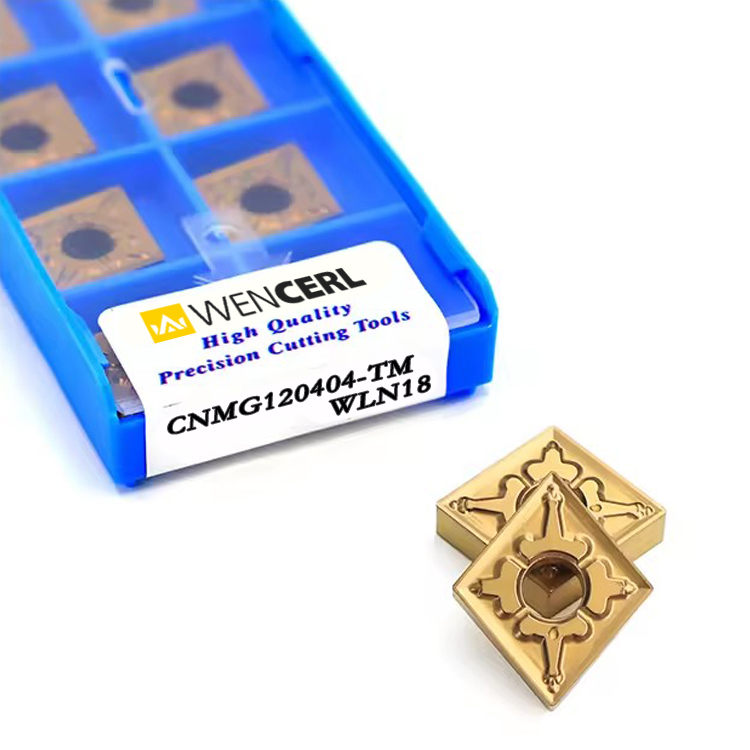
Inserts offer a range of benefits that can significantly enhance machining processes, reduce costs, and improve product quality. From cost efficiency and longer tool life to improved precision and versatility, inserts provide manufacturers with a powerful tool for optimizing their operations. For manufacturers looking to stay competitive in the market, investing in high-quality inserts is a smart choice.
Are you looking to optimize your machining processes? Contact us today for expert advice on choosing the right inserts for your production needs and boost your manufacturing efficiency.
Contact us: [email protected]