

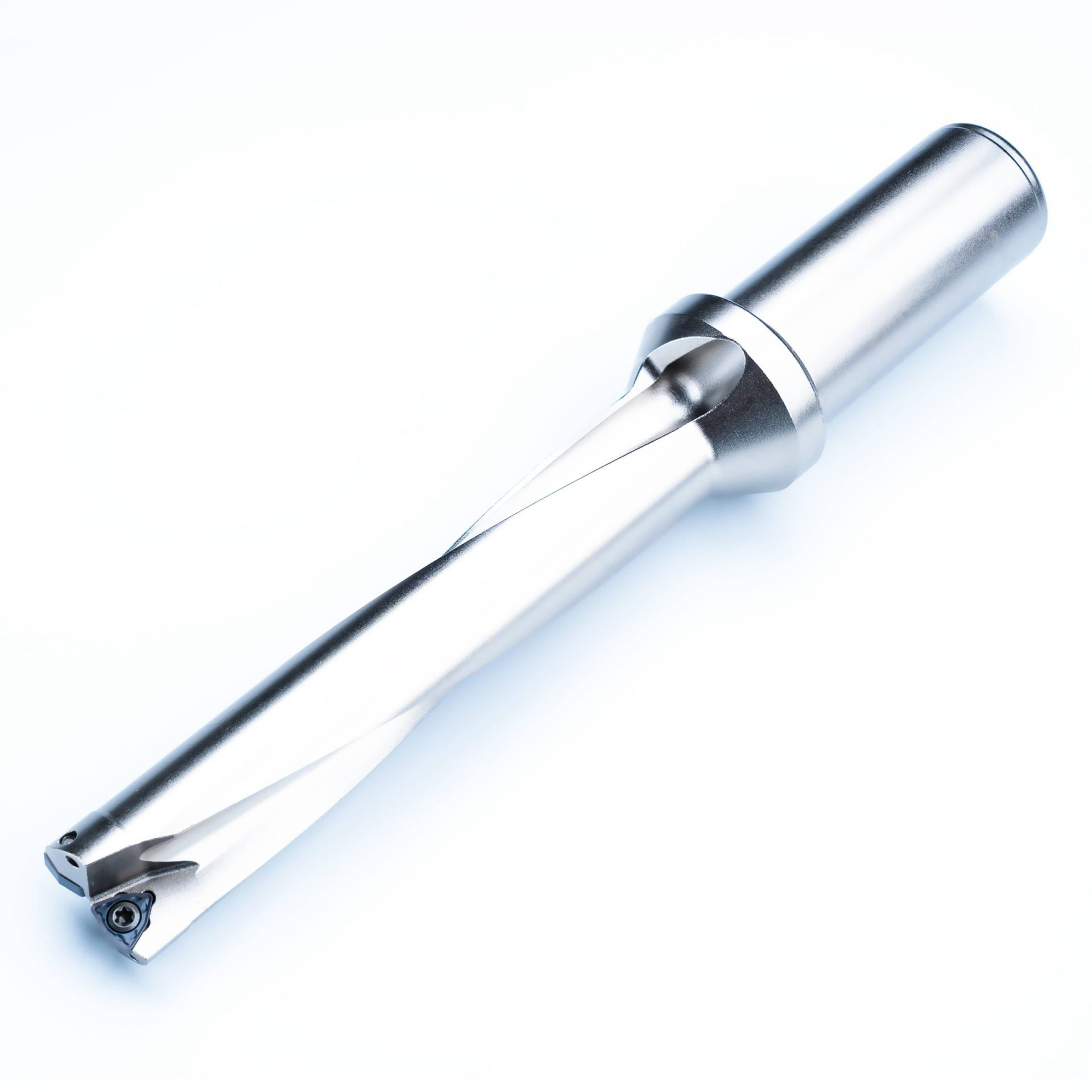
Titanium alloys are widely used in aerospace, medical, and high-performance engineering due to their exceptional strength-to-weight ratio and corrosion resistance. However, these same properties make them notoriously difficult to machine. Let’s break down the key reasons behind titanium’s machining challenges and how manufacturers can overcome them.


1. Low Thermal Conductivity – Heat Build-Up is a Major Issue
Unlike steel or aluminum, titanium conducts heat poorly. During machining, heat concentrates at the cutting edge instead of dissipating, leading to:
Premature tool wear (carbide inserts degrade faster)
Workpiece deformation (thermal expansion affects precision)
Built-up edge (BUE) – material sticks to the tool, worsening surface finish
Solution: Use high-pressure coolant and tools with thermal-barrier coatings (e.g., TiAlN).
2. High Strength & Work Hardening – Cutting Forces Are Extreme
Titanium maintains strength at high temperatures, requiring:
Higher cutting forces → More machine power & rigid setups
Rapid work hardening – The material hardens as it’s cut, accelerating tool wear
Solution: Optimize feeds/speeds and use sharp, wear-resistant tool geometries.
3. Chemical Reactivity – Titanium “Welds” to Cutting Tools
Titanium’s reactivity causes:
Adhesion/galling – Material bonds to the tool, causing edge chipping
Friction-induced heat → Accelerated tool failure
Solution: Use polished, non-reactive coatings (e.g., diamond-like carbon) and avoid excessive speeds.
4. Chip Control Problems – Long, Stringy Chips Cause Hazards
Titanium produces tough, continuous chips that:
Tangle around tools → Machining interruptions
Scratch finished surfaces → Poor part quality
Solution: High-pressure coolant and chip-breaking tool geometries are essential.
5. Solutions for Machining Titanium Effectively
Despite the challenges, these strategies improve results:
✔ Low RPM, High Feed Rates – Reduces heat buildup
✔ Specialized Tool Coatings – AlTiN, DLC, or PVD coatings extend tool life
✔ High-Pressure Coolant (1,000+ psi) – Flushes chips and cools cuts
✔ Rigid Machine Setup – Minimizes vibration for better surface finish
Conclusion
Titanium’s unique properties make it a demanding material to machine, but with the right tools, parameters, and cooling strategies, manufacturers can achieve high precision and productivity.
Contact us:[email protected]