

Introduction
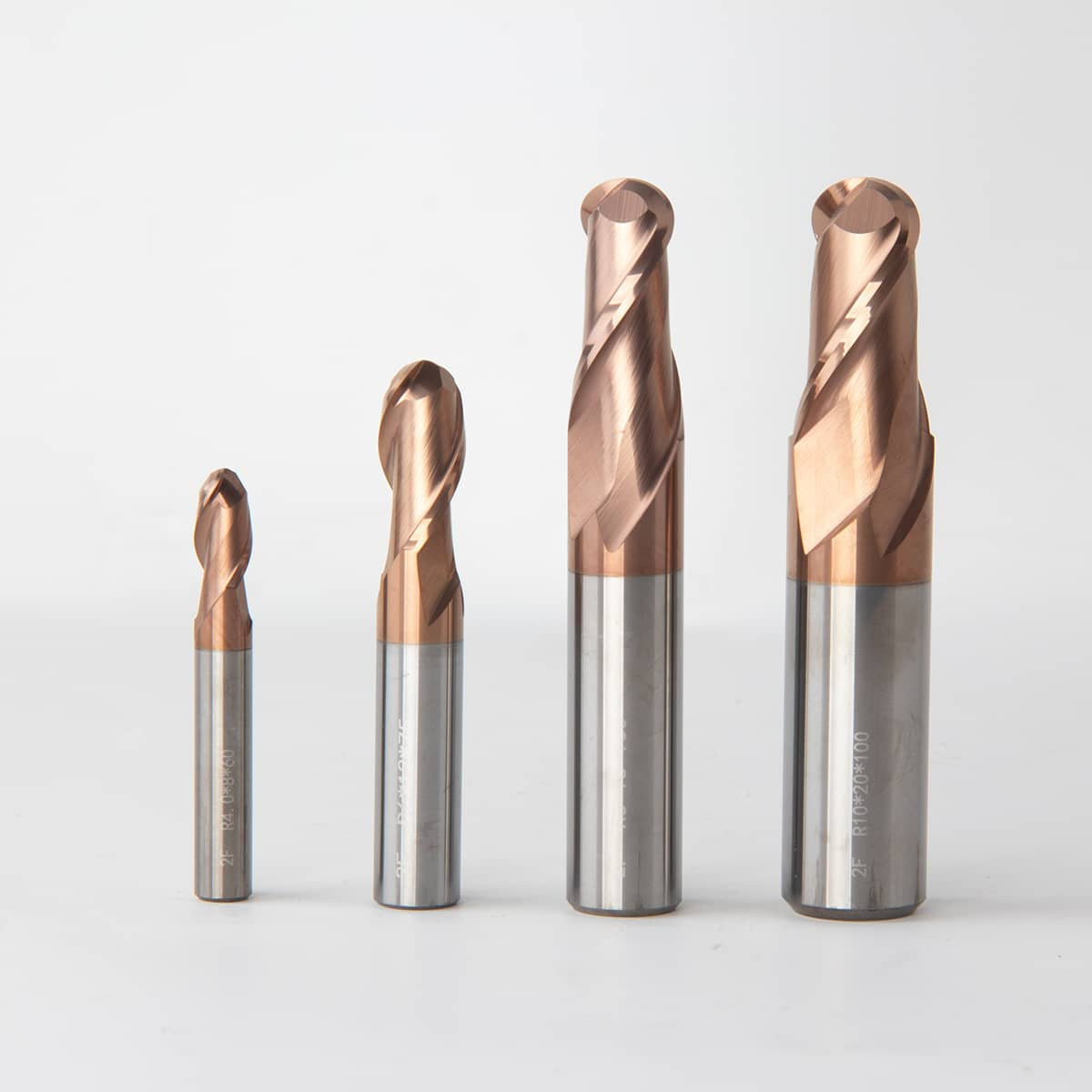
End mills are essential cutting tools in precision machining, widely used across various industries for high-accuracy and high-efficiency production. These versatile tools are designed to handle complex geometries, different materials, and varying production scales. Selecting the right end mill is crucial for achieving optimal performance, reducing tool wear, and improving overall manufacturing efficiency.
In this blog, we will explore the diverse applications of end mills across different industries, including aerospace, automotive, mold making, medical device manufacturing, electronics, heavy machinery, and more. By understanding how end mills function in specific sectors, businesses can make more informed decisions about tool selection and process optimization.

1. End Mill Applications in the Aerospace Industry
- High-Strength Material Machining: End mills are ideal for machining titanium alloys, aluminum alloys, and other high-strength materials used in aerospace components.
- Complex Component Manufacturing: They allow for precise cutting of intricate geometries in engine parts, airframe supports, and aerodynamic components.
- Lightweight Design: Using the right end mills ensures lightweight component fabrication without compromising structural integrity, supporting fuel efficiency and overall aircraft performance.
2. End Mill Applications in the Automotive Industry
- Engine and Transmission Component Machining: End mills are used to manufacture high-precision parts such as cylinder heads, crankshafts, and transmission gears.
- Body Component Machining: They are essential for processing lightweight car body components, including doors, frames, and brackets.
- Mass Production Efficiency: Optimized end mill selection and cutting parameters help automotive manufacturers maintain high-volume production while ensuring quality.
3. End Mill Applications in Mold Manufacturing
- Precision Mold Machining: End mills are widely used for injection molds, die-casting molds, and stamping molds.
- Complex Shapes and Fine Features: They excel at creating intricate contours, slots, and detailed mold features.
- Durable Mold Tooling: High-performance end mills extend tool life, even under high-pressure and high-temperature mold operations.
4. End Mill Applications in the Medical Device Industry
- Precision Medical Component Machining: End mills help manufacture surgical instruments, artificial joints, and dental tools with high accuracy.
- Biocompatible Material Machining: They are effective for titanium, medical-grade stainless steel, and other biocompatible materials.
- Micro-Machining Requirements: End mills enable micrometer-level precision for small and intricate medical devices.
5. End Mill Applications in Electronics Manufacturing
- PCB and Electronic Component Machining: End mills are used for precise milling of printed circuit boards and electronic components.
- Plastic and Composite Housing Machining: They provide high-quality surface finishes for electronic device enclosures made from plastic or composite materials.
- Micro-Machining and High-Frequency Applications: End mills ensure precision in micro-circuits and high-frequency electronic parts.
6. End Mill Applications in Heavy Machinery Manufacturing
- Structural Component Machining: End mills are essential for processing heavy machinery parts such as tractors, excavators, and cranes.
- High-Strength and Wear-Resistant Materials: They handle tough alloys and high-strength steels, reducing tool wear and downtime.
- Efficient Cutting and Accuracy: Optimized end mill selection ensures consistent quality and production efficiency for large components.
7. End Mill Applications in Precision Machinery
- Micro-Component Machining: End mills are critical in manufacturing precision components for optics, electronics, and transmission systems.
- High Accuracy Requirements: They maintain tight tolerances in small, complex parts.
- Complex Surfaces and Hole Machining: End mills facilitate the precise cutting of curves, pockets, and intricate geometries.
8. End Mill Applications in Composite Material Machining
- Carbon Fiber and Glass Fiber: End mills are suitable for machining composite materials while minimizing delamination or material damage.
- Tool Wear Reduction: Proper end mill selection reduces wear and extends tool life in composite machining.
- Surface Quality and Precision: They help maintain high surface finish and dimensional accuracy on composite parts.
9. End Mill Applications in the Construction Industry
- Construction Equipment Component Machining: End mills are used for heavy-duty parts in cranes, excavators, and other construction machinery.
- Durability and Strength Requirements: They can efficiently process wear-resistant alloys and high-strength steel.
- High-Volume Manufacturing: End mills improve machining efficiency for construction equipment production.
10. End Mill Applications in the Energy Industry
- Wind and Solar Component Machining: End mills are applied to the precision manufacturing of renewable energy equipment parts.
- Oil and Gas Component Machining: They are used for drilling, extraction, and refining equipment parts that require durability and precision.
- High-Temperature and High-Pressure Applications: End mills ensure accurate machining in extreme energy sector conditions.
Conclusion
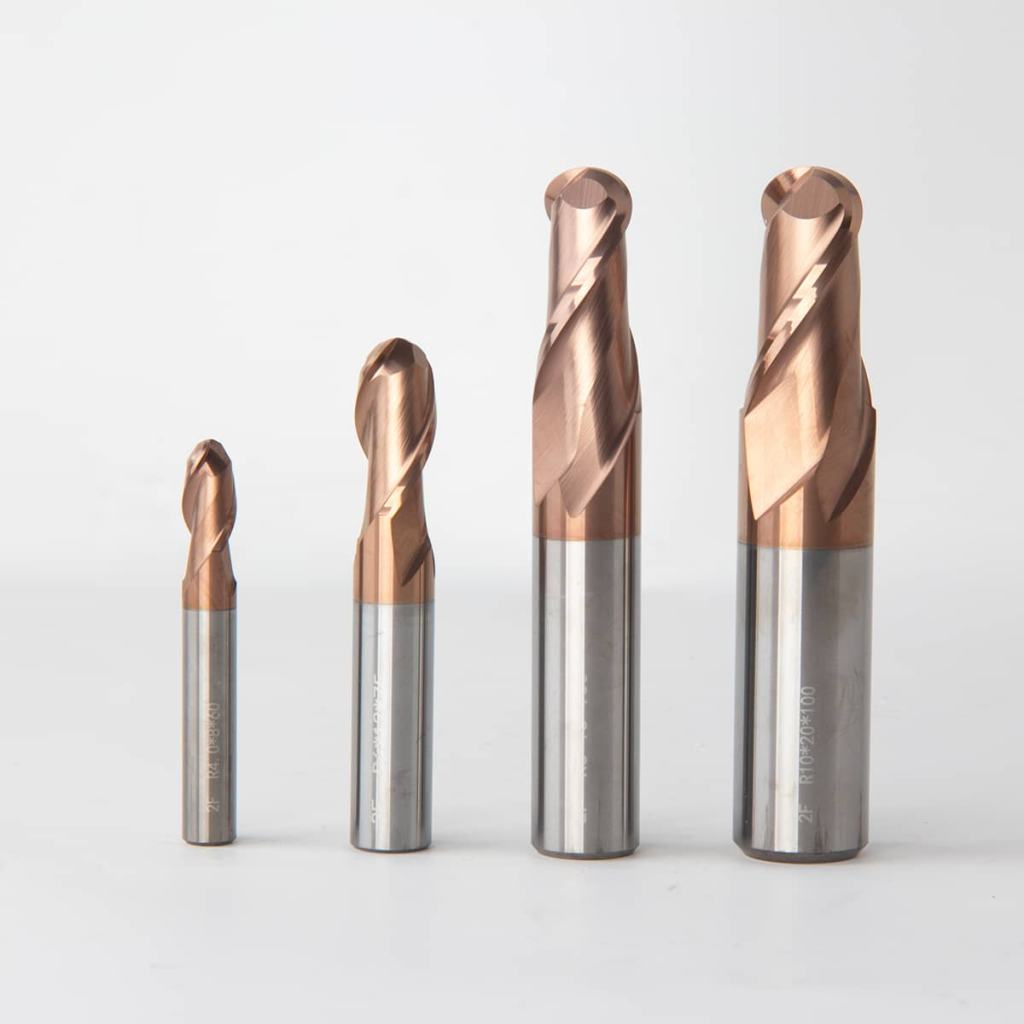
End mills are indispensable tools across a range of industries, from aerospace and automotive to medical device manufacturing and electronics. Their ability to machine complex shapes, intricate details, and tough materials with precision makes them essential for modern manufacturing processes. As industries continue to demand higher precision, faster production times, and more advanced materials, the role of end mills will only become more critical.
By understanding the specific applications of end mills in each industry, businesses can optimize their machining processes, improve production efficiency, and maintain the high-quality standards required for success in today’s competitive market. With the right end mills and machining techniques, manufacturers can stay ahead of the curve, driving innovation and maintaining an edge in their respective industries.
Contact us: [email protected]