

1. Introduction
In CNC machining, the milling cutter holder plays a crucial role in achieving precise, efficient, and cost-effective manufacturing. It is essential not only for holding the cutting tool but also for ensuring stability, accuracy, and overall machining performance. Choosing the right milling cutter holder can significantly impact machining outcomes, including surface quality, dimensional accuracy, and tool life.
In this blog, we’ll walk through the key factors you need to consider when selecting a milling cutter holder to ensure optimal performance in your CNC operations.
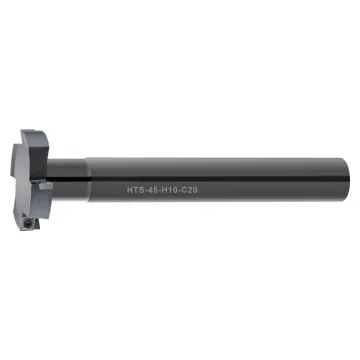
2. Material Selection: Choosing the Right Material
The material of the milling cutter holder directly influences its strength, durability, and overall performance. Common materials include steel, carbide, aluminum alloys, and other advanced composites. Each material offers distinct benefits, depending on the machining requirements.
- Steel is commonly used for its balance between strength and cost-effectiveness, making it ideal for general-purpose machining.
- Carbide milling cutter holders offer superior hardness, making them ideal for high-precision or high-temperature applications.
- Aluminum alloys are lightweight and resistant to corrosion, which is beneficial for less demanding, lighter-duty tasks.
When selecting a material, consider the cutting forces and heat generation associated with the material being machined. For high-precision tasks, you may need a more rigid, heat-resistant material like carbide, while steel or aluminum may be sufficient for lighter, less demanding operations.
3. Size and Compatibility: Ensuring a Perfect Fit
Milling cutter holders come in various sizes to fit different tools and machine types. The size of the holder, including its diameter, length, and shank design, must match the toolholder specifications of your CNC machine.
- Diameter and Length: Milling cutter holders come in a range of sizes, and it’s crucial to select one that accommodates the tool being used. The shank diameter must match the toolholder specifications, while the length must allow for sufficient clearance and stability during machining.
- Compatibility: Ensure that the milling cutter holder is compatible with your machine’s spindle and toolholding system. Compatibility ensures smooth operation and avoids tool slipping or damage.
Taking precise measurements and ensuring compatibility between your milling cutter holder, tools, and CNC machine can reduce errors and improve machining precision.
4. Rigidity and Stability: Essential for Precision
Rigidity is one of the most critical factors when choosing a milling cutter holder. A rigid holder reduces vibrations during cutting, which is essential for maintaining dimensional accuracy and surface finish.
- Why Rigidity Matters: If the milling cutter holder is not sufficiently rigid, vibrations can lead to inaccuracies in the cut, premature tool wear, and reduced tool life. It can also result in poor surface finishes and increase the likelihood of part rejection.
- Material and Design Influence on Rigidity: Choosing a holder with high rigidity ensures minimal deflection and deformation during high-speed cutting. High-quality materials like carbide can provide the rigidity needed for high-precision operations.
5. Installation and Tool Change Speed: Efficiency Matters
The installation method and tool change speed can significantly impact your production efficiency. When choosing a milling cutter holder, consider how easily the tool can be installed and replaced, as this can affect machine uptime and overall throughput.
- Common Installation Methods: Milling cutter holders are typically designed for different installation types, such as tapered, clamped, or threaded systems. Consider which system is most compatible with your CNC machine and cutting tools.
- Quick Tool Change: A milling cutter holder designed for quick tool changes can drastically improve machine productivity. This is particularly useful in high-volume machining or when frequent tool changes are required.
Choosing a holder that supports quick, efficient installation can reduce downtime and improve overall machine utilization.
6. Precision Requirements: Achieving High-Quality Results
For industries that require high-precision machining, such as aerospace or automotive manufacturing, the precision of the milling cutter holder is essential. Even slight inaccuracies in toolholder alignment can result in significant defects in the final product.
- High-Precision Applications: If your machining process demands tight tolerances and exceptional surface finishes, selecting a holder with low runout and high concentricity is essential. Some high-precision holders are specifically designed to minimize runout and provide maximum accuracy.
- Testing for Precision: It is essential to evaluate the holder’s precision through inspection methods, including runout testing, to ensure that it meets the necessary standards for your operations.
7. Load Capacity: Understanding the Limits
The load capacity of the milling cutter holder refers to the amount of cutting force it can withstand without experiencing failure or deformation. High-load applications, such as heavy-duty milling, require holders that can handle significant forces without compromising stability.
- Choosing the Right Load Capacity: When working with heavy materials or high cutting forces, ensure that the milling cutter holder you select can handle the required load. Overloading a tool holder can result in premature failure and tool breakage.
- Impact on Tool Life: A milling cutter holder with a high load capacity will generally extend the life of both the holder and the cutting tools, as it minimizes wear and tear from high forces.
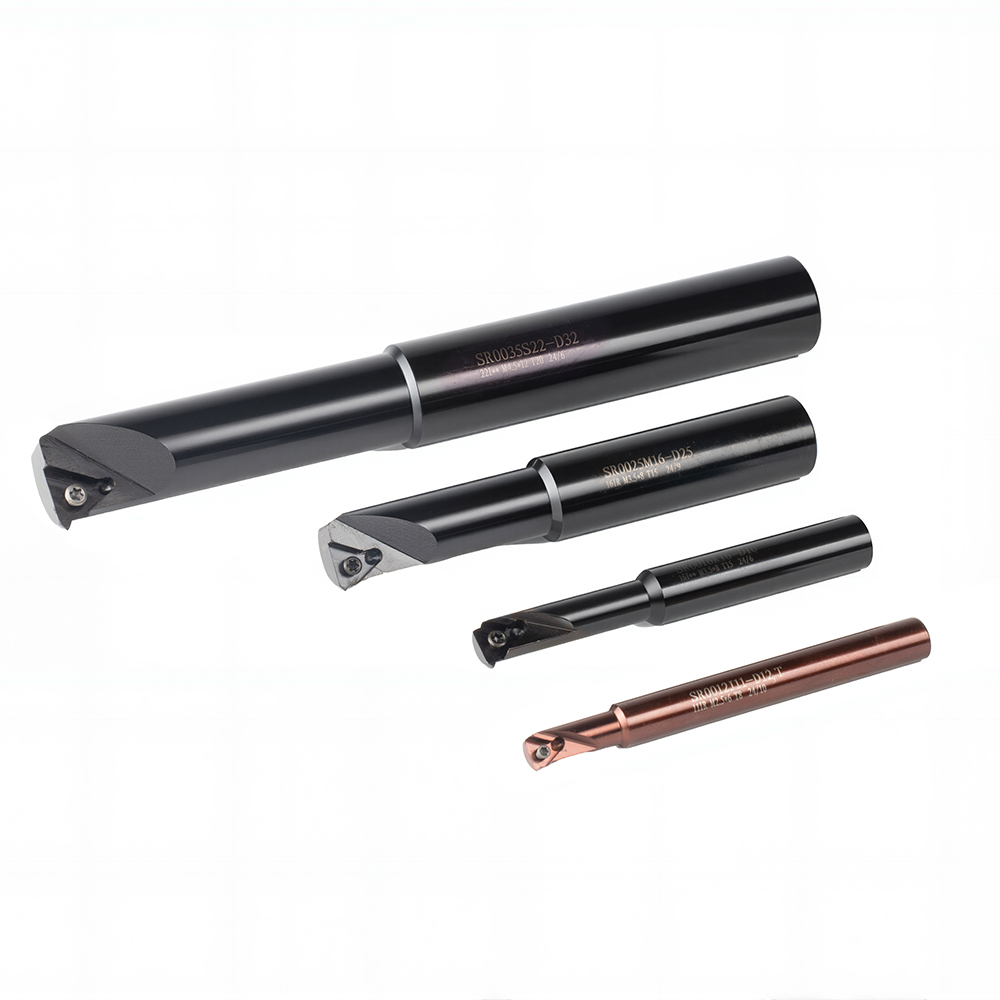
8. Conclusion
Selecting the right milling cutter holder is a critical decision that directly impacts your machining efficiency, precision, and tool longevity. By considering key factors such as material, size, rigidity, precision, and load capacity, you can ensure that your holder is suited to your specific needs and machining conditions.
Choosing the best milling cutter holder is not just about price—it’s about investing in the right tool for the job to enhance your productivity and reduce costs in the long term. Take the time to carefully evaluate the various options available and select a holder that will optimize your CNC operations.
Contact us: [email protected]