

When it comes to precision CNC machining, your equipment’s lifetime and performance can have a big impact on your output and profitability. One of the most important components in this setup is the milling cutter holder. Proper care and maintenance of your milling cutter holder can help maximize its lifespan, improve machining accuracy, and reduce operational costs. In this guide, we will explore the essential steps for maintaining and caring for milling cutter holders, ensuring they remain in top working condition for longer.
Why Milling Cutter Holder Maintenance is Crucial
Milling cutter holders are designed to withstand high-pressure conditions and provide stability during machining processes. However, like all tools, they can wear down over time. Here’s why regular maintenance is so critical:
- Performance Impact: The precision of your milling cutter holder directly affects the quality of the machined parts. A worn or damaged tool holder can lead to vibrations, inaccuracies, and poor surface finishes.
- Cost Impact: Replacing damaged holders or dealing with unplanned downtime due to faulty equipment can significantly increase your operational costs. Regular maintenance helps to avoid these unexpected expenses.
- Safety: If a milling cutter holder is improperly maintained, it may loosen during operation or even break, leading to dangerous situations. Ensuring that the tool holder is in proper working order mitigates these risks.
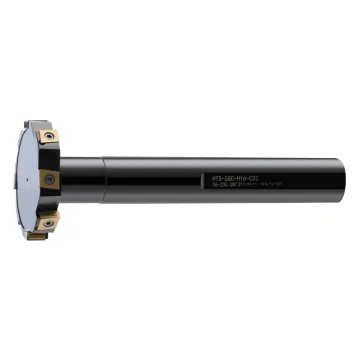
Regular Inspections and Checks
Routine inspections are key to identifying issues before they turn into major problems. Here’s how to perform essential checks:
- Examine for Wear and Tear: Regularly inspect the holder for any cracks, dents, or deformations. Check the clamping area and taper for signs of wear.
- Precision Check: Use precision tools to measure the concentricity and diameter of the tool holder. Any deviations from specifications can lead to inaccurate machining.
- Compatibility Check: Ensure that the milling cutter holder is compatible with the tools you are using. A mismatch can cause misalignment, leading to inaccuracies in production.
Cleaning and Debris Removal
Maintaining a clean tool holder is vital for its performance. Here’s how to keep it in pristine condition:
- Routine Cleaning: After every use, clean the tool holder to remove oil, cutting fluids, and metal chips. Use a soft cloth or brush to gently remove debris from both the exterior and interior of the holder.
- Corrosion Removal: Regularly inspect for rust and corrosion. If detected, treat the affected area immediately with rust remover or other anti-corrosive agents.
- Choose the Right Cleaning Products: Always use non-corrosive cleaning solutions to avoid damaging the material of the milling cutter holder. Avoid abrasive cleaning tools that can scratch or wear down the surface.
Lubrication and Protection
Lubrication is essential for reducing friction and wear in tool holders. Here’s how to apply it properly:
- Lubricate Regularly: Use the recommended type of lubricant for your tool holder, applying it to both the interior and exterior parts. Proper lubrication reduces friction and helps maintain smooth operation.
- Avoid Over-lubrication: Excessive lubrication can attract dirt and debris, leading to further contamination. Use only the amount recommended by the manufacturer.
- Corrosion Protection: If you’re not using the tool holder regularly, apply a protective anti-corrosive oil to prevent rust and corrosion. This is especially important if the holder will be stored for long periods.
Storage and Proper Handling
Proper storage and handling of your milling cutter holders are just as important as maintenance:
- Ideal Storage Conditions: Store your tool holders in a dry, clean, and dust-free environment. Excess moisture can lead to corrosion, while dirt can damage the surface of the holder.
- Avoid Physical Damage: When storing or transporting tool holders, ensure that they are kept in protective cases or containers to avoid accidental drops or impacts that could cause dents or deformations.
- Long-Term Storage: For long-term storage, check tool holders periodically. Apply fresh lubrication and make sure no rust has developed. Ensure they are stored upright to avoid any unwanted stress or pressure on the parts.
Proper Use and Handling During Operation
While maintenance is key, proper usage is equally important to ensure the longevity of milling cutter holders:
- Correct Installation: Always follow the manufacturer’s guidelines for installing and securing the tool holder on your CNC machine. Incorrect installation can lead to poor performance and even damage to the holder or machine.
- Avoid Overloading: Don’t exceed the recommended cutting forces when using the milling cutter holder. Overloading can cause tool damage, vibrations, and early failure.
- Regular Part Replacements: For certain components, such as clamping devices and locking mechanisms, regular replacement is necessary to prevent damage. These parts wear out faster and should be checked and replaced periodically.
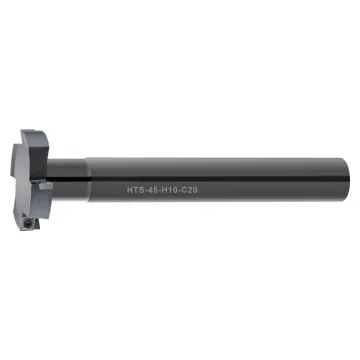
Conclusion
Maintaining and caring for your milling cutter holders is an essential aspect of keeping your CNC machining operations running smoothly. By regularly inspecting, cleaning, lubricating, and properly storing your tools, you can significantly extend their lifespan, enhance machining precision, and reduce unexpected downtime. Implementing a robust maintenance routine will help optimize your production, reduce operational costs, and improve safety in your workshop. Start taking care of your milling cutter holders today, and enjoy smoother, more efficient machining tomorrow.
Contact us: [email protected]