

Introduction
In high-precision manufacturing, cutting tools are subjected to extreme conditions, particularly in high-temperature environments. These conditions can be especially prevalent in industries such as aerospace, automotive, and materials engineering, where hard-to-machine materials like titanium alloys, superalloys, and high-strength steels are often processed. For manufacturers, selecting the right milling cutter holder (MCH) is essential for maintaining accuracy, efficiency, and tool life under these challenging conditions.
In this blog, we will discuss the impact of high-temperature environments on milling cutter holders and provide a guide on how to choose the right toolholder that ensures stability, precision, and longevity.
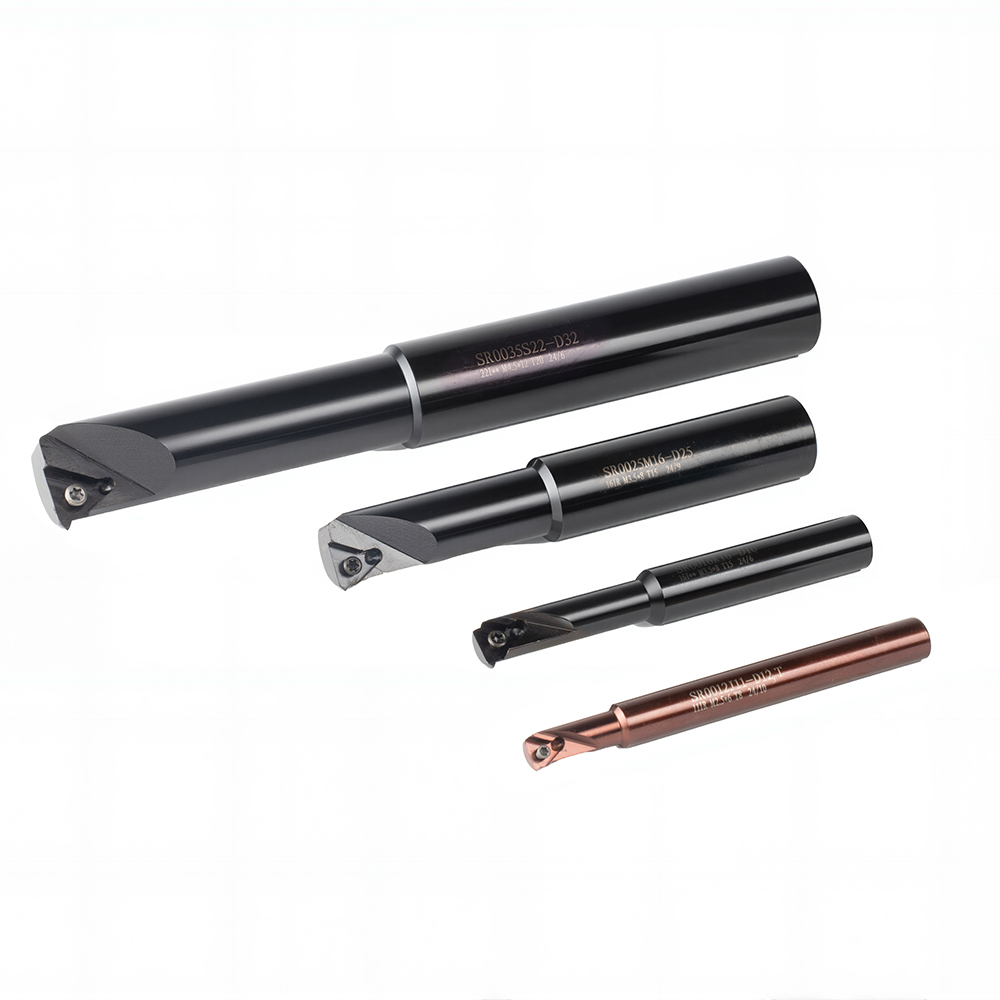
The Impact of High-Temperature Environments on Milling Cutter Holders
1. Characteristics of High-Temperature Machining
High-temperature machining refers to the process of cutting materials that generate significant heat during the machining process. Materials like titanium alloys, Inconel, and other high-strength metals are notorious for their high thermal conductivity, which puts additional stress on the tools. As machining temperatures rise, so do the demands on milling cutter holders, requiring specialized features to maintain performance.
2. Effects of High Temperature on Toolholder Materials
In high-temperature environments, materials used in milling cutter holders experience increased wear and tear. Standard steel may lose its hardness and strength when exposed to high temperatures, which can lead to deformation, dimensional instability, or even failure. As temperatures rise, the toolholder material can expand, causing it to lose rigidity and precision.
3. Effects of High Temperature on Rigidity and Precision
Increased temperature can cause thermal expansion, leading to loss of rigidity and precision in milling cutter holders. This reduction in stiffness can result in tool deflection and chatter, which negatively affects machining accuracy. High temperatures can also degrade the toolholder’s ability to maintain tight tolerances and lead to poor surface finishes on the workpiece.
How to Choose the Right Milling Cutter Holder for High-Temperature Environments
1. Selecting the Right Material
Choosing the right material for your milling cutter holder is the first and most important step in ensuring reliable performance in high-temperature conditions. Materials with high thermal resistance and good stability under heat are crucial for these demanding applications.
- High-Alloy Steel: High-quality alloy steels are often used due to their ability to withstand elevated temperatures without significant deformation. Some advanced alloy steels feature improved resistance to heat and wear, making them suitable for high-temperature environments.
- Tungsten Carbide: Tungsten carbide is another popular choice due to its superior hardness and heat resistance. Although expensive, its durability in high-temperature applications makes it ideal for extreme machining conditions.
- Specialized Alloys: For the most challenging environments, toolholders made from high-performance alloys (such as titanium or Inconel) provide the best thermal stability and wear resistance.
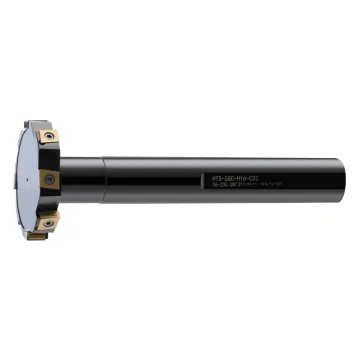
2. Surface Treatment Technologies
In addition to material selection, surface treatments play a vital role in extending the lifespan of milling cutter holders in high-temperature environments. These treatments improve hardness, reduce wear, and offer resistance to thermal damage.
- Nitriding: This treatment involves introducing nitrogen into the surface of the steel, creating a hard, wear-resistant layer. Nitrided toolholders can handle higher temperatures without experiencing excessive wear or dimensional changes.
- Coatings: Advanced coatings such as TiN (Titanium Nitride), TiAlN (Titanium Aluminum Nitride), and DLC (Diamond-Like Carbon) are often used to improve the heat resistance of toolholders. These coatings provide excellent thermal protection, reduce friction, and increase the durability of the milling cutter holder.
3. Toolholder Design Optimization
The design of the milling cutter holder also plays a critical role in maintaining performance under high-temperature conditions. High-temperature machining can cause expansion, leading to tool deflection and loss of rigidity. Optimizing the design of the toolholder can help mitigate these issues.
- Thermal Expansion Compensation: Toolholders designed for high-temperature applications often incorporate features to manage thermal expansion. For example, toolholders with integrated cooling systems or specific geometries can prevent excessive heat buildup and mitigate thermal distortion.
- Enhanced Stiffness: Toolholders with reinforced designs can help minimize deflection, ensuring that tools remain stable and precise even when subjected to high temperatures.
4. Choosing the Right Type of Toolholder
Not all types of milling cutter holders are suited for high-temperature applications. Certain designs are more effective in maintaining performance when exposed to extreme conditions.
- Tapered Toolholders: Tapered toolholders, such as those used in CNC machines, provide superior rigidity and stability. These are often preferred in high-temperature environments where tool deflection needs to be minimized.
- Modular Toolholders: Modular toolholders offer flexibility in tool setup and often come with enhanced stability features, making them ideal for high-temperature cutting applications.
Maintenance and Care of Milling Cutter Holders in High-Temperature Environments
1. Regular Inspection and Monitoring
It is essential to regularly inspect milling cutter holders when working in high-temperature environments. Thermal degradation can occur over time, leading to a decrease in performance and potential failure. Regular checks for wear, surface cracking, and other signs of thermal stress will help prevent unexpected downtime.
2. Cleaning and Maintenance
High temperatures can lead to the accumulation of debris and thermal buildup on milling cutter holders. Keeping the toolholder clean is essential to ensure optimal performance. Regularly cleaning the holder, removing any built-up material, and checking for signs of overheating can extend the toolholder’s life.
3. Lubrication and Cooling Systems
In high-temperature environments, effective cooling and lubrication are essential for maintaining toolholder performance. Using advanced coolant systems or lubricants can prevent heat buildup, reduce friction, and keep the toolholder’s temperature under control during operations.
Applications of Milling Cutter Holders in High-Temperature Environments
1. Aerospace Industry
The aerospace sector often requires machining of high-temperature alloys such as titanium and Inconel. These materials are known for their heat resistance, but they also generate extreme temperatures during the cutting process. In these cases, choosing the right milling cutter holder can significantly impact the success of the operation. Advanced materials and coatings help maintain performance, while customized toolholder designs offer additional thermal stability.
2. Automotive Industry
In automotive manufacturing, high-strength steels and cast irons are often used for engine components, transmissions, and brake systems. These materials require machining under high temperatures, and selecting the right toolholder ensures precision and stability in these demanding processes. Cooling technologies and coatings play a critical role in keeping milling cutter holders effective and preventing premature wear.
Conclusion
Selecting the right milling cutter holder for high-temperature machining is a critical decision that affects tool performance, machining efficiency, and the overall quality of the workpiece. By understanding the impact of high temperatures on toolholders and selecting the appropriate materials, coatings, and designs, manufacturers can optimize their processes for better results.
Whether you’re working with titanium alloys in aerospace or high-strength steel in automotive manufacturing, understanding the thermal challenges and selecting the best toolholder for your needs is essential for maintaining precision and minimizing downtime. Invest in the right tooling to ensure your machining operations are both efficient and durable under extreme conditions.
Contact us: [email protected]