

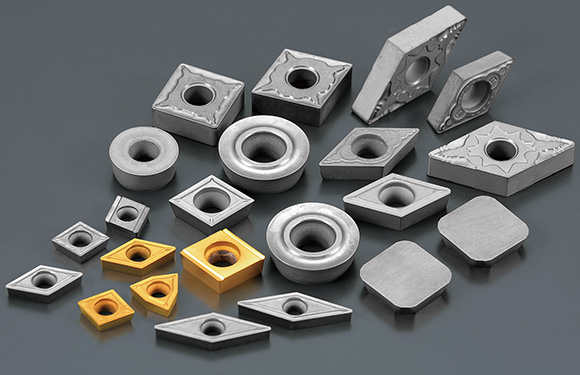
Inserts are among the most essential components in modern CNC machining and industrial manufacturing. These small but powerful cutting tools are responsible for precise material removal, efficient production, and high-quality surface finishes. While selecting the right insert for a specific task is important, understanding the different types of inserts is equally critical for engineers, procurement teams, and industrial professionals. In this guide, we will provide a comprehensive overview of inserts, classified by ISO shape, application, material, and geometric features, giving you a clear picture of the industrial options available.
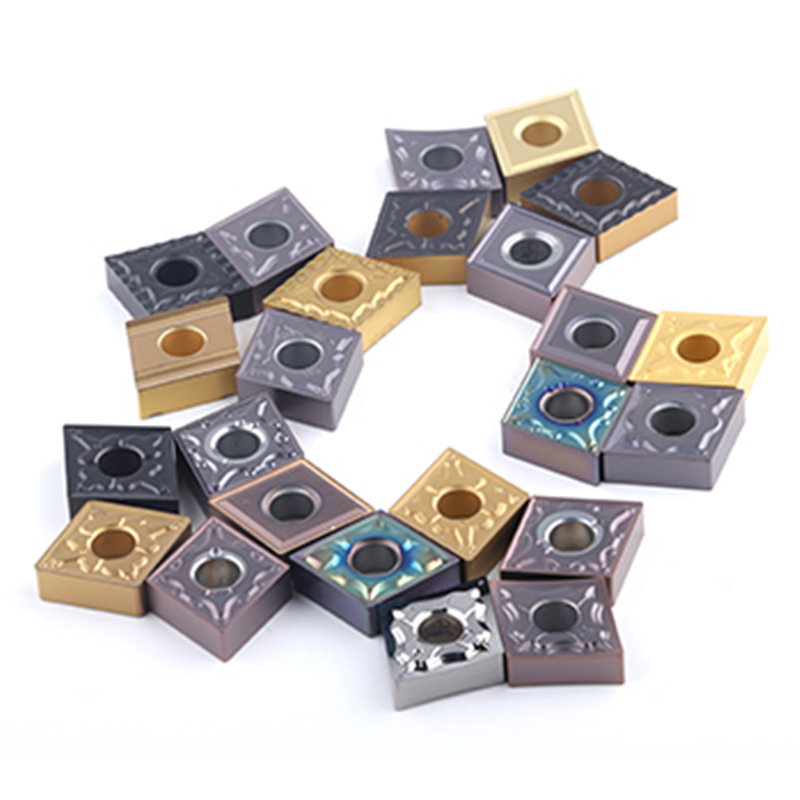
ISO Standard Insert Shapes
The shape of an insert is one of the most fundamental characteristics that determines how it interacts with the material. ISO standards define insert shapes with codes that indicate the geometry and cutting edge angles, allowing industrial users to select the appropriate insert for any operation. The most common ISO shapes include:
| Code | Shape | Cutting Edge Angle | Typical Application |
| C | Diamond | 80° | General-purpose machining and roughing operations |
| D | Diamond | 55° | Finishing or light cutting tasks |
| T | Triangle | 60° | External turning or roughing in narrow areas |
| V | Diamond | 35° | Precision finishing in confined spaces |
| S | Square | 90° | Heavy roughing or large cutting tasks |
| R | Round | — | High surface finish or light material removal |
| W | Diamond | 80° | External turning or threading applications |
These standardized shapes help machining teams quickly identify inserts suitable for their production requirements. For example, a C-shaped diamond insert is ideal for general roughing operations, while an R-shaped round insert excels in finishing and achieving smooth surfaces on delicate components.
Inserts by Application
Inserts are designed to perform specific machining functions. Classifying inserts by application ensures that each tool is used efficiently and achieves the desired results. Common application types include:
- Roughing Inserts: Built for high cutting volumes, these inserts are robust and durable, capable of handling heavy material removal without excessive wear. They are commonly used in steel and cast iron machining.
- Finishing Inserts: These inserts are optimized for surface quality, providing smoother finishes and tighter tolerances. They are often used in aerospace, automotive, and mold-making industries where precision is critical.
- Grooving or Parting Inserts: Designed for slotting, cutting off parts, or creating grooves in workpieces, these inserts feature specialized geometry to maintain stability and reduce vibrations during cutting.
- Threading Inserts: Specifically engineered for internal or external thread cutting, these inserts ensure accurate thread profiles with consistent pitch and depth.
- Chamfering Inserts: Used for creating beveled edges or deburring, chamfering inserts improve assembly accuracy and reduce stress concentrations on machined components.
By understanding insert applications, engineers can match the right insert type to the machining task, ensuring efficiency and precision.
Inserts by Material
The material of an insert significantly affects its durability, cutting speed, and suitability for different workpiece materials. Choosing the correct material type ensures longer tool life and higher productivity:
- Carbide Inserts: The most widely used material, offering excellent wear resistance and high hardness for a variety of industrial applications. Suitable for steel, stainless steel, and cast iron.
- CBN (Cubic Boron Nitride) Inserts: Designed for machining hardened steels and superalloys, CBN inserts can operate at high speeds while maintaining edge sharpness.
- PCD (Polycrystalline Diamond) Inserts: Ideal for non-ferrous metals such as aluminum, copper, and composite materials, as well as plastics. PCD provides unmatched wear resistance and surface finish quality.
- Ceramic Inserts: Highly resistant to heat, these inserts are suitable for high-speed machining of cast iron and other hard alloys. Ceramic inserts maintain edge integrity even under extreme cutting temperatures.
- HSS (High-Speed Steel) Inserts: Though less common in modern high-speed operations, HSS inserts are still effective for low-speed cutting and soft materials.
Selecting the appropriate material type ensures that the insert can withstand the cutting conditions, optimize productivity, and minimize downtime due to tool wear.

Inserts by Geometric Features
Beyond shape and material, the geometry of the cutting edge plays a critical role in machining performance. Different geometric features influence cutting force, chip control, and surface finish:
- Positive Inserts: Sharp-edged inserts designed to reduce cutting force, making them ideal for light or medium cuts. Positive geometry also improves chip flow and reduces energy consumption.
- Negative Inserts: Inserts with a blunter cutting edge that withstand heavy loads and roughing operations. Negative geometry enhances stability and durability, especially in high-depth or hard-material cuts.
- Radius or Corner Inserts: Rounded cutting edges help achieve a smooth surface finish and reduce stress concentrations on the workpiece. These inserts are widely used in precision finishing applications.
- Chipbreaker Inserts: Special grooves or patterns facilitate controlled chip formation and evacuation, preventing chip clogging and improving machining efficiency.
Understanding these geometric distinctions allows machining teams to optimize their processes and achieve consistent results across different materials and cutting conditions.
Conclusion
Understanding different insert types is essential for modern industrial operations, as it ensures precision, efficiency, and reliability in every machining task, making it more than just a technical advantage.
Contact us: [email protected]