

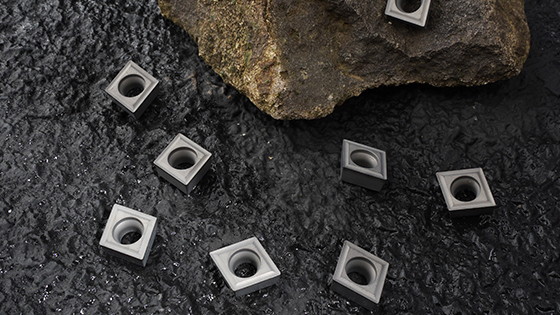
Cemented carbide, renowned for its exceptional hardness, wear – resistance, and high – temperature stability, has become an indispensable material across numerous industries. Its unique combination of properties makes it suitable for a wide range of applications where durability and performance are paramount.In the realm of metalworking and machining, cemented carbide is widely used in the production of cutting tools. End mills, drills, turning inserts, and milling cutters made from cemented carbide can efficiently machine various materials, including steels, cast irons, aluminum alloys, and even superalloys. The high hardness of cemented carbide allows these tools to maintain sharp cutting edges for extended periods, reducing the frequency of tool changes and improving machining efficiency. For instance, in the automotive industry, cemented carbide cutting tools are employed to machine engine components, transmission parts, and chassis elements with high precision and at high speeds. In the aerospace sector, where materials like titanium alloys and nickel – based superalloys are commonly used, cemented carbide tools can handle the demanding machining requirements, ensuring the production of high – quality aircraft parts that meet strict safety and performance standards.The mining industry also heavily relies on cemented carbide. Drill bits and cutting tools made from this material are used to extract minerals from the earth. The extreme hardness and wear – resistance of cemented carbide enable these tools to withstand the harsh conditions of mining, such as high pressure, abrasive rock formations, and continuous impact. Cemented carbide – tipped drill bits can penetrate hard rock layers efficiently, reducing the time and effort required for drilling operations. In underground mining, where the environment is challenging and the demand for reliable equipment is high, cemented carbide tools play a crucial role in maintaining productivity and ensuring the safety of miners.In the oil and gas industry, cemented carbide is used in various downhole tools. Drill collars, stabilizers, and reamers made from cemented carbide can endure the high – temperature and high – pressure conditions deep underground. These tools help to maintain the integrity of the borehole, prevent collapse, and ensure smooth drilling operations. Additionally, cemented carbide is used in the production of valves and seals in oil and gas pipelines. Its resistance to corrosion and wear ensures the long – term reliability of these components, preventing leaks and ensuring the safe transportation of oil and gas.

The woodworking industry also benefits from cemented carbide. Carbide – tipped saw blades, routers, and planer knives are widely used to cut and shape wood. The sharpness and durability of cemented carbide allow for clean and precise cuts, reducing the need for frequent blade sharpening and improving the quality of the finished wood products. Whether it’s in furniture manufacturing, cabinetry, or general woodworking applications, cemented carbide tools can handle different types of wood, from softwoods to hardwoods, with ease.Cemented carbide also finds applications in the manufacturing of dies and molds. Dies used in metal stamping, forging, and extrusion processes, as well as molds for plastic injection molding, often incorporate cemented carbide components. The high wear – resistance of cemented carbide ensures that the dies and molds maintain their shape and dimensional accuracy over a large number of production cycles, reducing the cost of mold replacement and improving the efficiency of the manufacturing process.In the realm of consumer products, cemented carbide is used in the production of cutting tools for kitchen knives, scissors, and other cutting instruments. The hardness of cemented carbide provides these tools with long – lasting sharpness, making them highly valued by consumers. Additionally, in the electronics industry, cemented carbide is used in the production of precision cutting tools for manufacturing printed circuit boards and semiconductor components, where high precision and reliability are essential.In conclusion, the uses of cemented carbide are diverse and far – reaching, spanning multiple industries. Its remarkable properties make it a preferred material for applications that demand high performance, durability, and precision. As technology continues to advance, the applications of cemented carbide are likely to expand further, contributing to innovation and progress in various fields.
Contact us:[email protected]