

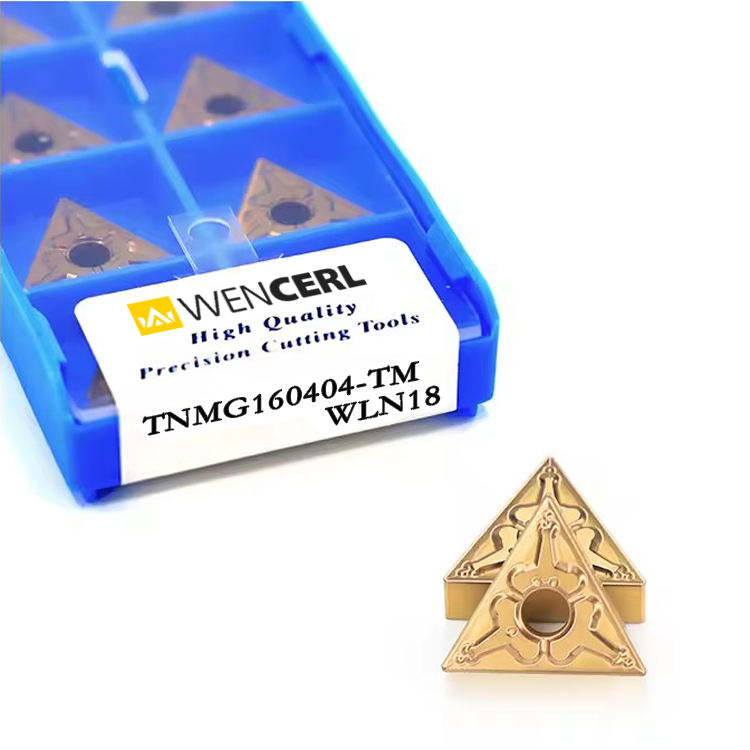
In the intricate world of machining, cutting is the pivotal process that transforms raw materials into finished components, and its impact reverberates throughout every stage of manufacturing. Understanding how cutting influences the entire machining process is essential for optimizing productivity, ensuring quality, and controlling costs.Influence on Machining QualityCutting parameters such as cutting speed, feed rate, and depth of cut have a direct bearing on machining quality. A high cutting speed can enhance productivity but may generate excessive heat, leading to tool wear, dimensional inaccuracies, and a poor surface finish. On the contrary, an overly low cutting speed might result in work – hardening of the workpiece material, also affecting the surface integrity. The feed rate determines the amount of material removed per revolution of the cutting tool. An inappropriate feed rate can cause uneven cuts, tool chatter, and vibrations, which mar the surface finish and dimensional precision. Similarly, the depth of cut impacts the stability of the cutting process; a large depth of cut increases the cutting forces, potentially causing tool deflection and reducing the accuracy of the machined part. Moreover, the choice of cutting tool geometry, including rake angle, relief angle, and edge radius, significantly affects chip formation and cutting forces, thereby influencing the overall quality of the machined surface.Impact on Machining EfficiencyEfficient cutting is the key to maximizing machining productivity. Optimizing cutting parameters can streamline the machining process. For instance, increasing the cutting speed within an appropriate range can reduce the machining time per part, boosting production throughput. However, this must be balanced with the tool’s ability to withstand the increased heat and forces. Selecting the right cutting tool material, such as carbide for high – speed machining of hard materials or high – speed steel for general – purpose applications, also enhances efficiency. Carbide tools can operate at higher speeds and offer better wear resistance, enabling faster material removal. Additionally, proper coolant application during cutting helps dissipate heat, reduces friction, and improves chip evacuation, all of which contribute to smoother and more efficient cutting operations, minimizing downtime due to tool changes and maintenance.

Effect on Tool LifeThe cutting process exerts significant stress on the cutting tool, directly influencing its lifespan. High cutting forces and temperatures accelerate tool wear. Aggressive cutting parameters, like high feed rates and large depths of cut, increase the mechanical load on the tool, leading to rapid edge degradation. Similarly, machining abrasive materials without the appropriate tool coating or material can cause excessive wear. Tool coatings, such as TiN, TiAlN, or DLC, play a crucial role in enhancing tool life by reducing friction, improving wear resistance, and dissipating heat. By carefully selecting cutting parameters, tool materials, and coatings based on the workpiece material and machining requirements, manufacturers can extend the tool life, reducing the frequency of tool replacements and associated costs.Cost ConsiderationsCutting has a profound impact on the overall cost of the machining process. Tool wear and replacement costs are directly related to the cutting conditions. Frequent tool changes due to premature wear increase the cost of consumables and also result in production downtime, affecting productivity. Optimizing cutting parameters to extend tool life can significantly reduce these costs. Additionally, the energy consumption during cutting is influenced by factors like cutting forces and speeds. Inefficient cutting, with high cutting forces and speeds, consumes more energy, adding to the operational cost. By improving cutting efficiency through proper parameter selection and tool usage, manufacturers can lower energy consumption and overall production costs.Interaction with Workpiece MaterialsDifferent workpiece materials respond differently to the cutting process. For example, soft materials like aluminum alloys are relatively easy to machine but may require specific cutting strategies to prevent issues such as chip welding and built – up edge formation. Hard materials, on the other hand, demand cutting tools with high hardness and wear resistance. The thermal properties of the workpiece material also affect the cutting process; materials with low thermal conductivity can trap heat at the cutting zone, accelerating tool wear. Understanding the characteristics of the workpiece material and tailoring the cutting parameters, tool selection, and coolant application accordingly is crucial for achieving optimal machining results and minimizing potential problems during the cutting process.

In conclusion, cutting is not just a simple operation but a complex process that intertwines with multiple aspects of machining. From determining the quality and efficiency of production to influencing tool life and costs, every aspect of the machining process is shaped by the cutting operation. By carefully managing cutting parameters, selecting appropriate tools, and understanding the interaction with workpiece materials, manufacturers can unlock the full potential of the machining process, delivering high – quality products efficiently and cost – effectively.
Contact us:[email protected]