

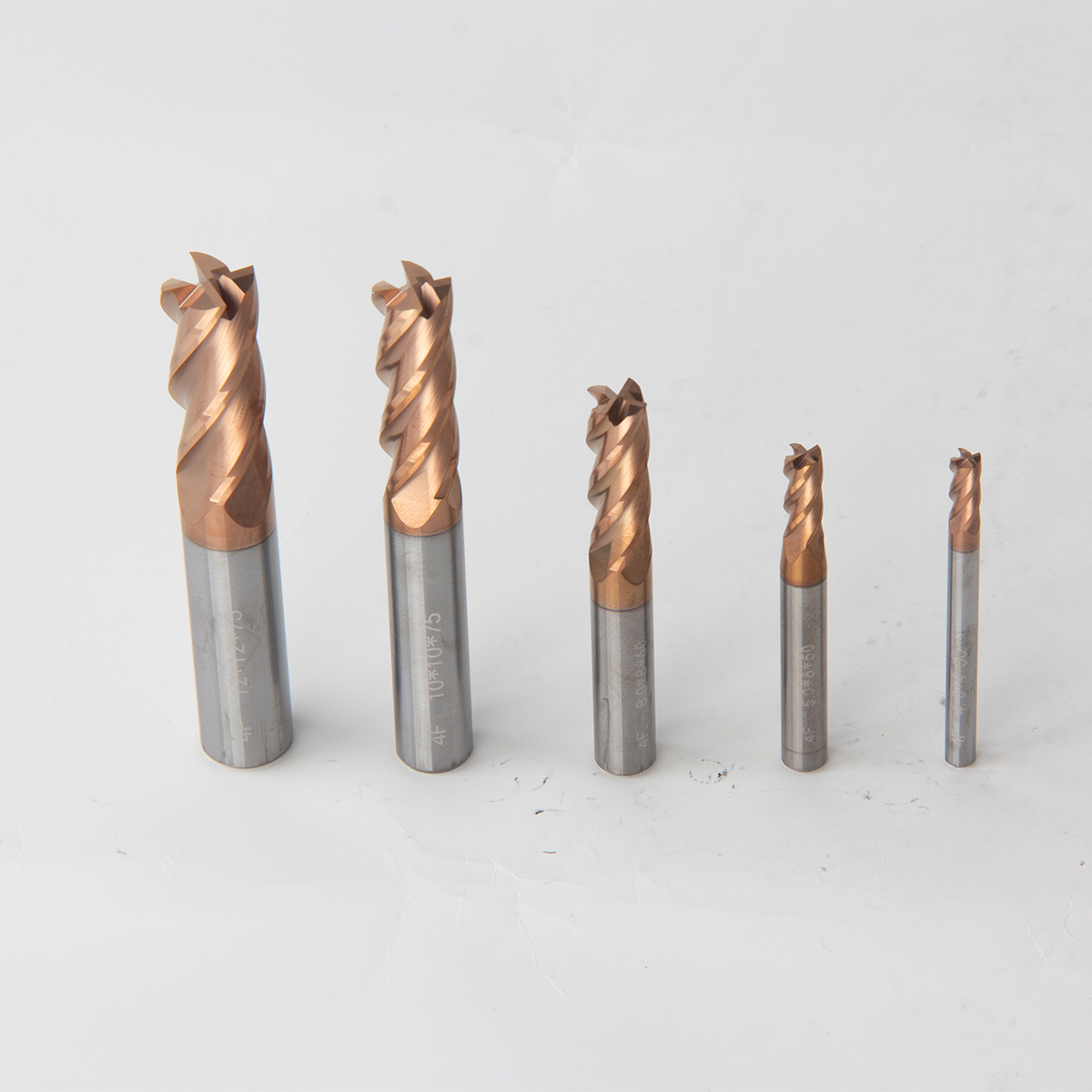
Sharpening end mills is a crucial process that directly impacts their cutting performance, machining accuracy, and service life. Here is a detailed guide on how to sharpen end mills effectively, covering every step from preparation to the final inspection.Pre – sharpening PreparationBefore starting the sharpening process, thorough preparation is essential. First, gather all the necessary equipment, including a high – quality bench grinder or a specialized cutter grinder designed for end mills. Ensure that the grinding wheels are in good condition, properly dressed, and suitable for the material of the end mill, such as diamond wheels for carbide end mills or aluminum oxide wheels for high – speed steel ones. Additionally, prepare safety gear like safety glasses, gloves, and a face shield to protect yourself from flying debris and sparks. Clean the end mill thoroughly using a brush and solvent to remove any dirt, coolant residues, or built – up materials on the cutting edges and flutes. This ensures a precise and clean sharpening process.Sharpening the Cutting EdgesBegin the sharpening by carefully mounting the end mill on the grinder’s arbor or fixture, making sure it is securely held and properly aligned. When sharpening the primary cutting edges, start with a light touch on the grinding wheel. For end mills with a straight or spiral flute design, maintain the correct relief angle, which typically ranges from 8° to 12° depending on the material and application. Move the end mill along the grinding wheel in a smooth, controlled motion, following the contour of the cutting edge. Make sure to apply even pressure across the entire length of the edge to achieve a consistent sharpness. Repeat this process for each cutting edge, checking the progress regularly to avoid over – grinding.For the secondary cutting edges, also known as the land or clearance, adjust the grinder settings to create a slightly smaller relief angle than the primary edge. This helps to strengthen the cutting edge while still maintaining a smooth cutting action. Again, use a gentle and consistent grinding motion, ensuring that the secondary edge is parallel to the primary edge and has a uniform width. When sharpening end mills with multiple flutes, pay attention to the symmetry of the cutting edges to ensure balanced cutting performance.

Sharpening the Chamfer and CornersIf the end mill has a chamfer or corner radius, use a smaller – diameter grinding wheel or a specialized attachment to sharpen these areas. For chamfers, position the end mill at the appropriate angle and carefully grind the beveled surface, maintaining the specified angle and width. When working on the corner radius, use a gentle circular motion to shape the edge smoothly, ensuring that the radius is consistent and matches the original design. This step is crucial as well – sharpened chamfers and corners can improve chip evacuation and reduce the risk of edge chipping during machining.Post – sharpening Inspection and FinishingAfter completing the sharpening, conduct a thorough inspection of the end mill. Visually examine the cutting edges under good lighting or use a magnifying glass to check for any nicks, uneven surfaces, or signs of over – grinding. Measure the dimensions of the end mill, including the diameter, cutting edge angles, and flute lengths, using precision measuring tools like calipers or a tool presetter. Compare the measurements with the original specifications to ensure that the end mill is within the acceptable tolerance range. If any imperfections are found, make minor adjustments or re – sharpen the affected areas as needed.Finally, deburr and polish the sharpened end mill using fine – grit abrasive stones or a honing compound. This step helps to remove any burrs left from the grinding process and smooth out the cutting edges, further enhancing the cutting performance and reducing the friction between the tool and the workpiece. Store the sharpened end mill in a protective case or holder to prevent damage to the newly sharpened edges until it is ready for use.In conclusion, sharpening end mills requires attention to detail, proper equipment, and a systematic approach. By following these steps carefully, machinists can restore the cutting performance of end mills, extend their lifespan, and ensure high – quality machining results. Whether you are a professional machinist or a hobbyist, mastering the art of end mill sharpening is an essential skill in the machining trade.
Contact us:[email protected]