

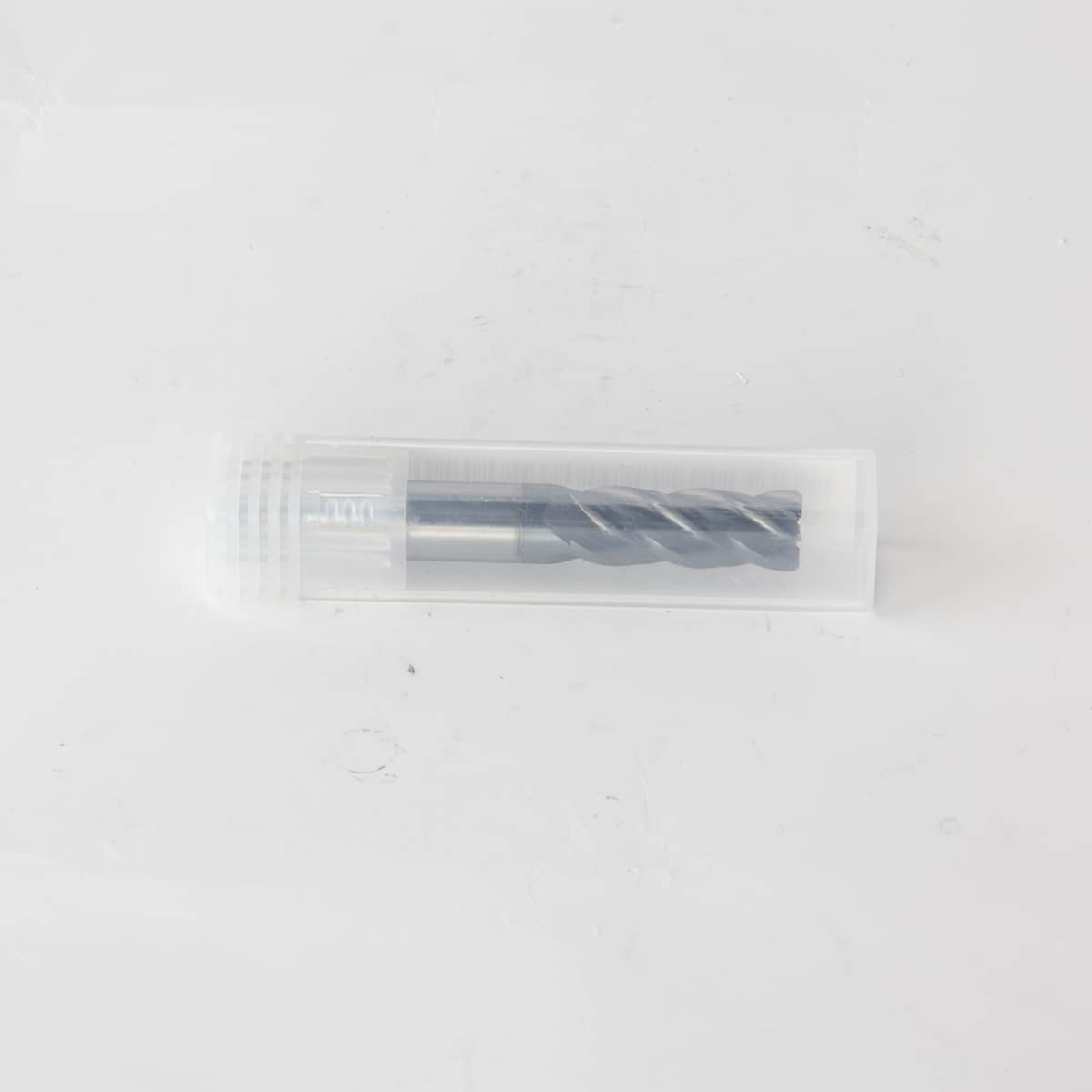
When it comes to purchasing end mills, several critical parameters can significantly influence the performance, efficiency, and quality of machining operations. Understanding these parameters is essential for making informed decisions that meet specific machining requirements.Cutter MaterialThe material of the end mill is one of the most crucial factors to consider. High – speed steel (HSS) end mills are a popular choice for general – purpose machining. They offer good toughness and are relatively cost – effective, making them suitable for cutting softer materials like aluminum, brass, and mild steel. However, for more demanding applications involving harder materials such as stainless steel, titanium, or hardened steels, carbide end mills are preferred. Carbide has excellent hardness, wear resistance, and heat resistance, enabling it to maintain a sharp cutting edge even at high speeds and under heavy loads. Additionally, there are specialty materials like cobalt – enhanced HSS, which combines the benefits of HSS with improved heat resistance, ideal for machining heat – resistant alloys.

DiameterThe diameter of the end mill determines the width of the cut and the size of the features that can be machined. It’s crucial to select an appropriate diameter based on the workpiece size, the required machining depth, and the available spindle power of the machine tool. A larger – diameter end mill can remove more material in a single pass, increasing machining efficiency, but it also requires more power and may cause more vibration if not properly supported. On the other hand, a smaller – diameter end mill is suitable for machining intricate details and tight corners but may take longer to complete the operation.Number of FlutesThe number of flutes on an end mill affects both the cutting performance and the surface finish. End mills typically come with two, three, or four flutes, although some specialty end mills may have more. Two – flute end mills have larger chip – evacuation spaces, making them ideal for roughing operations, especially when machining soft materials or when dealing with long – chip – forming materials. They allow for efficient removal of large volumes of chips. Three – and four – flute end mills, on the other hand, can provide a better surface finish during finishing operations as they have more cutting edges in contact with the workpiece at any given time. However, they have smaller chip – evacuation spaces, so they are more suitable for materials that produce short chips or when machining at lower feed rates.Cutting Edge GeometryThe cutting edge geometry of an end mill includes features such as the rake angle, relief angle, and corner radius. The rake angle affects the cutting forces and chip formation. A positive rake angle reduces cutting forces and is suitable for machining softer materials, while a negative rake angle provides stronger cutting edges, making it better for harder materials. The relief angle determines the clearance between the cutting edge and the workpiece, preventing the tool from rubbing against the workpiece and reducing heat generation. The corner radius, if present, can improve the strength of the cutting edge at the corners and reduce the risk of chipping, especially when machining sharp corners or slots.

CoatingMany end mills are coated to enhance their performance. Coatings such as TiN (Titanium Nitride), TiAlN (Titanium Aluminum Nitride), and DLC (Diamond – Like Carbon) offer different benefits. TiN coatings provide good wear resistance and a low coefficient of friction, reducing the tendency for built – up edge formation. TiAlN coatings have higher hardness and better thermal stability, allowing for higher cutting speeds, especially when machining heat – resistant alloys. DLC coatings are excellent for reducing friction and are often used when machining sticky or abrasive materials. The choice of coating depends on the workpiece material, cutting conditions, and the desired tool life and surface finish.In conclusion, carefully considering these parameters when purchasing end mills is essential for ensuring optimal machining results. By matching the end mill’s characteristics to the specific machining requirements, manufacturers and machinists can improve productivity, extend tool life, and achieve high – quality finished products. Whether it’s a simple machining task or a complex, precision – demanding operation, paying attention to these key parameters will lead to more successful machining outcomes.
Contact us:[email protected]