

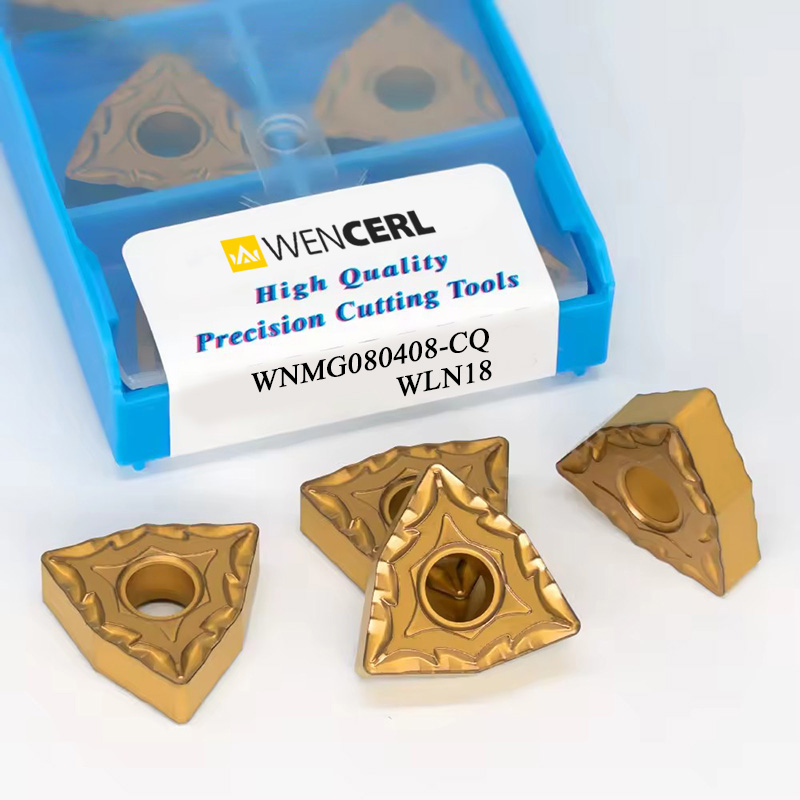
When it comes to metal cutting, the choice between carbide and non-carbide (typically high-speed steel, or HSS) tools significantly impacts machining performance, cost, and efficiency. While carbide tools dominate modern manufacturing for their durability and speed, HSS tools still hold value in specific applications. Understanding their differences helps in selecting the right tool for the job.
Carbide tools, made from tungsten carbide particles bonded with cobalt, are known for their exceptional hardness and heat resistance. They retain their cutting edge even at high temperatures, making them ideal for high-speed machining of tough materials like stainless steel, titanium, and hardened alloys. In contrast, HSS tools, composed of alloyed steel with elements like tungsten and molybdenum, are less hard but more shock-resistant. They perform better in applications requiring flexibility, such as interrupted cuts or manual machining.

One of the biggest advantages of carbide tools is their ability to withstand extreme cutting conditions. They allow for faster machining speeds and longer tool life, reducing downtime in high-volume production. However, their brittleness makes them prone to chipping under heavy impact or vibration. HSS tools, while not as wear-resistant, are tougher and more forgiving in unstable machining conditions. They are also easier to resharpen, making them cost-effective for small-scale operations or workshops with limited tooling budgets.
Cost is another major factor. Carbide tools have a higher initial price but offer better long-term value in mass production due to their extended lifespan. HSS tools, being more affordable upfront, are practical for low-volume jobs, prototyping, or situations where tool breakage is a concern. Additionally, coated HSS variants (like TiN or AlTiN-coated) can enhance performance, while advanced carbide grades improve toughness for demanding applications.

In summary, carbide tools excel in high-speed, precision machining of hard materials, while HSS tools remain relevant for their versatility and cost-efficiency in less intensive operations. The right choice depends on material, machine stability, production volume, and budget. By evaluating these factors, manufacturers can optimize both performance and cost in their machining processes.
Which type of tool do you prefer for your projects?Contact us:[email protected]