

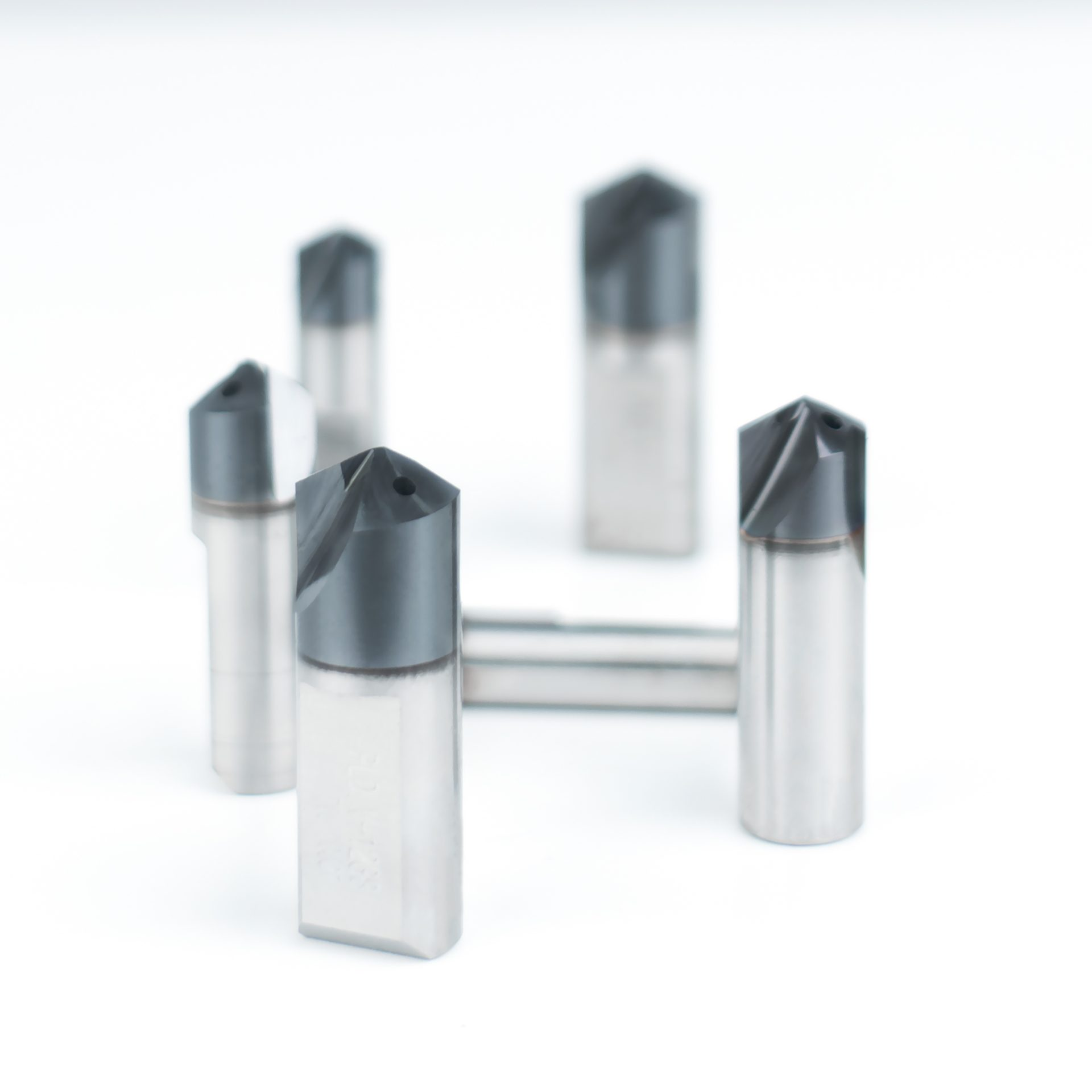
U-Drills (indexable insert drills) have revolutionized hole-making operations in modern manufacturing, offering significant advantages over conventional twist drills when used correctly. To fully leverage their potential, operators must understand proper tool selection, machining parameters, and best practices that ensure optimal performance and extended tool life. The key to success begins with selecting the right U-Drill configuration for your specific application, considering factors like material type, hole diameter, and depth requirements.
Proper machine setup forms the foundation for efficient U-Drill operation. Ensure your machine spindle has minimal runout and sufficient power to handle the cutting forces involved. Rigidity is absolutely critical – any vibration or deflection during drilling will dramatically reduce tool life and hole quality. The workpiece should be securely clamped, and the machine table locked to prevent any movement during the drilling process. For best results, always use the manufacturer’s recommended starting parameters as a baseline, then fine-tune based on your specific conditions.

Coolant application makes a tremendous difference in U-Drill performance. High-pressure through-tool coolant (minimum 70 bar) serves three vital functions: it keeps cutting edges cool, improves chip evacuation, and prevents chip recutting. When machining difficult materials like stainless steel or superalloys, increasing coolant pressure to 100+ bar can significantly extend tool life. Pay particular attention to chip formation – ideal chips should be small and comma-shaped. Long, stringy chips indicate the need for parameter adjustment, either in feed rate or coolant pressure.
Optimizing cutting parameters requires balancing several factors. While U-Drills can operate at higher speeds than conventional drills, the sweet spot for most materials is typically in the mid-range of recommended values. Feed rates should be aggressive enough to promote proper chip formation but conservative enough to avoid excessive tool wear. When drilling deep holes (over 5× diameter), consider peck drilling or reduced feed rates to ensure proper chip evacuation. Always listen to the cutting sound – a consistent, smooth noise indicates proper operation, while chatter or squealing signals the need for adjustment.

Tool maintenance and insert management are equally important for sustained performance. Regularly inspect inserts for wear patterns like flank wear or edge chipping, and replace them before catastrophic failure occurs. Keep spare inserts organized and properly labeled to minimize changeover time. When storing U-Drills, use protective caps to prevent damage to the precision-machined pockets and seating surfaces. Implement a tool life monitoring system, whether through time tracking, part counting, or visual inspection, to predict and plan for insert changes before quality issues arise.
Advanced techniques can further enhance U-Drill productivity. For high-volume production, consider implementing tool presetters to minimize machine downtime during changeovers. In automated environments, integrate tool breakage detection systems to prevent costly crashes. When machining exotic materials, consult with your tooling supplier about specialized insert grades or coatings that may offer better performance. For critical applications, document all successful parameter sets to build a knowledge base for future reference and operator training.
By mastering these U-Drill techniques, manufacturers can achieve remarkable improvements in hole-making efficiency, often reducing cycle times by 50% or more compared to conventional drilling methods. The combination of proper tool selection, optimized parameters, and disciplined maintenance practices will deliver consistent, high-quality results while maximizing tool life and minimizing production costs. As with any machining process, continuous monitoring and incremental improvements will lead to ongoing gains in productivity and part quality.
Have you implemented any special techniques for U-Drill optimization?
Mastering U-Drill Operations: Techniques for Maximum Efficiency
Contact us:[email protected]