

Introduction
In the machining world, precision is everything. After the roughing phase has removed the bulk of material, the finishing stage takes center stage, where the goal is to achieve the exact dimensions, smooth surfaces, and impeccable details that define quality work. Finishing end mills are the tools designed for this purpose. But how can you ensure that you’re getting the precision you need when using them? This guide will take you through the essentials of finishing end mills, from selecting the right tool to mastering the techniques that deliver top-tier results.
What Are Finishing End Mills?
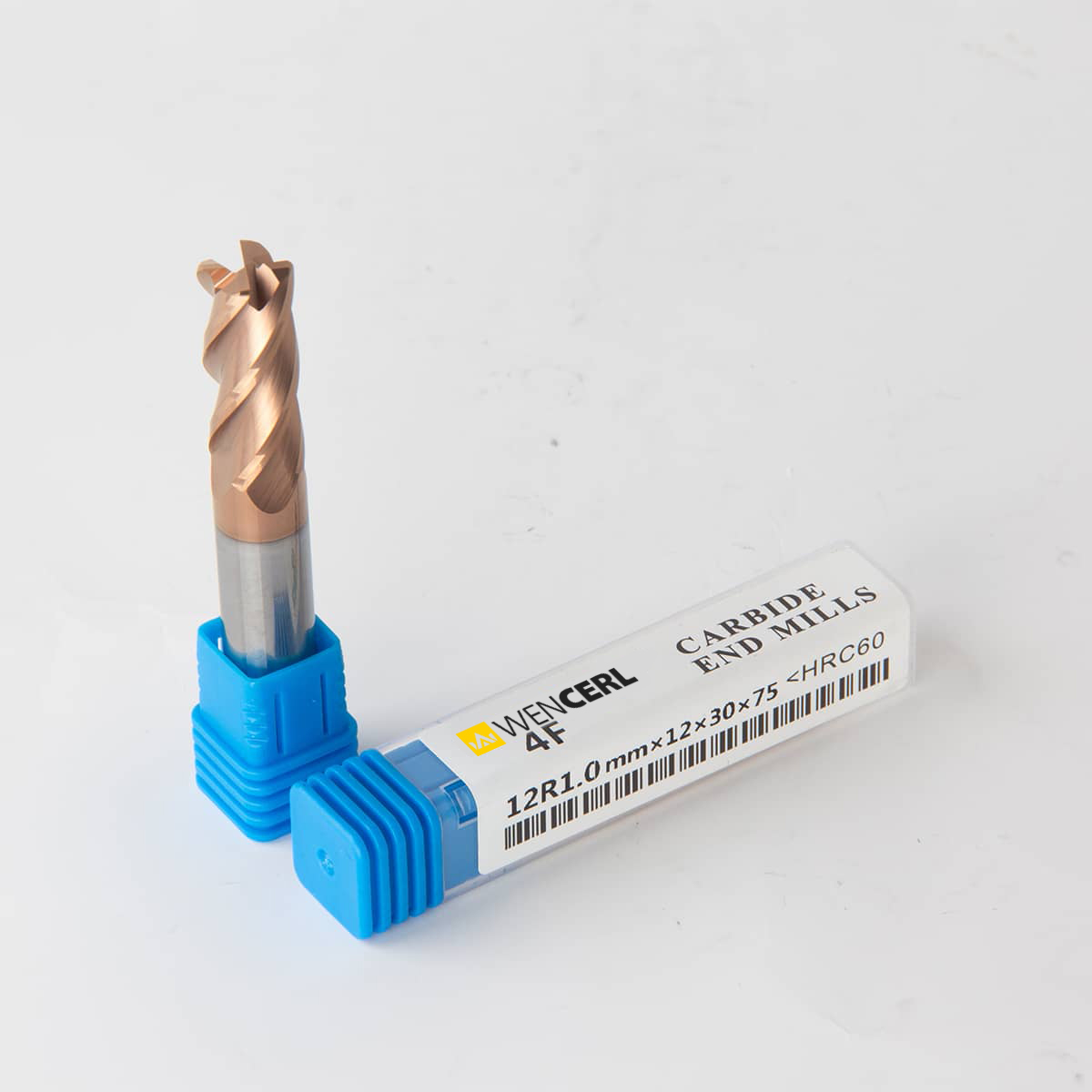
Finishing end mills are specialized cutting tools designed to create fine, detailed cuts with high precision. Unlike roughing end mills, which prioritize material removal, finishing end mills focus on surface quality, dimensional accuracy, and fine detailing. They have a smooth cutting edge and a high number of flutes, allowing them to produce a finer finish on the workpiece.
Key Characteristics of Finishing End Mills:
- Sharp Cutting Edge: Provides a clean cut, minimizing tool marks and achieving smooth surfaces.
- Higher Flute Count: More flutes allow for finer cutting and better surface finishes.
- Lower Feed Rates: Typically used with lower feed rates to enhance precision and control.
When to Use Finishing End Mills
Finishing end mills are the tool of choice when your project demands high precision and a quality surface finish. Here are some common scenarios where finishing end mills are indispensable:
- Final Passes for Dimensional Accuracy
- After the roughing operation, finishing end mills are used to achieve the exact dimensions specified in the design. This is crucial in industries where tolerances are tight, such as aerospace, automotive, and medical device manufacturing.
- Achieving a Superior Surface Finish
- When the appearance and texture of the finished part matter, finishing end mills deliver a smooth, polished surface. This is particularly important in applications like mold making or producing visible parts where aesthetics are key.
- Machining Complex Geometries
- For intricate designs with fine details, such as sharp corners or delicate features, finishing end mills offer the control needed to achieve the desired outcome without damaging the workpiece.
Choosing the Right Finishing End Mill
Selecting the right finishing end mill is crucial to achieving precision. Consider the following factors when making your choice:
- Tool Material: Carbide is often the preferred material for finishing end mills due to its hardness and wear resistance, making it suitable for high-precision work on tough materials.
- Coating: Opt for a tool with a coating that enhances performance, such as TiAlN (Titanium Aluminum Nitride) for increased wear resistance and extended tool life.
- Number of Flutes: A higher flute count (typically 4 or more) results in a finer finish but may require slower feed rates to prevent clogging and ensure smooth cutting.
Techniques for Achieving Precision with Finishing End Mills
To maximize the precision and effectiveness of finishing end mills, follow these best practices:
- Optimize Cutting Parameters
- Fine-tune your cutting speed, feed rate, and depth of cut. Lower speeds and feeds often yield better finishes, while shallow depths of cut help maintain accuracy.
- Minimize Tool Runout
- Ensure that your toolholder and spindle are properly aligned to minimize tool runout, which can cause uneven cuts and reduce precision.
- Use Climb Milling
- Whenever possible, use climb milling (where the tool rotates in the same direction as the feed) for finishing passes. This technique reduces tool deflection and provides a better surface finish.
- Control Vibration
- Excessive vibration can ruin a finish, so take steps to minimize it. Use a shorter tool, increase rigidity in your setup, and avoid aggressive cuts.
- Coolant and Lubrication
- Use coolant or lubrication to reduce heat buildup and improve chip evacuation. This is especially important when working with materials that are prone to work hardening.
- Inspect Your Tool Regularly
- Even the best finishing end mills will wear over time. Regularly inspect your tools for signs of wear, such as dull edges or chipping, and replace them as needed to maintain precision.
Conclusion
Achieving precision with finishing end mills requires the right combination of tool selection, cutting parameters, and technique. By understanding the role these tools play and how to use them effectively, you can consistently produce high-quality work that meets even the most demanding standards. Whether you’re refining a complex mold, crafting intricate components, or simply striving for a flawless finish, mastering the use of finishing end mills is key to reaching your goals in the machining world.