

Introduction
In the realm of metalworking and machining, efficiency is king. Whether you’re working on a large-scale production or a small custom job, the tools you use play a crucial role in how quickly and effectively you can get the job done. Roughing end mills, also known as hog mills, are among the most efficient tools for material removal, making them indispensable in high-volume machining operations. In this article, we’ll explore how roughing end mills can help you maximize your milling efficiency and why they should be a staple in your tool collection.
What Are Roughing End Mills?
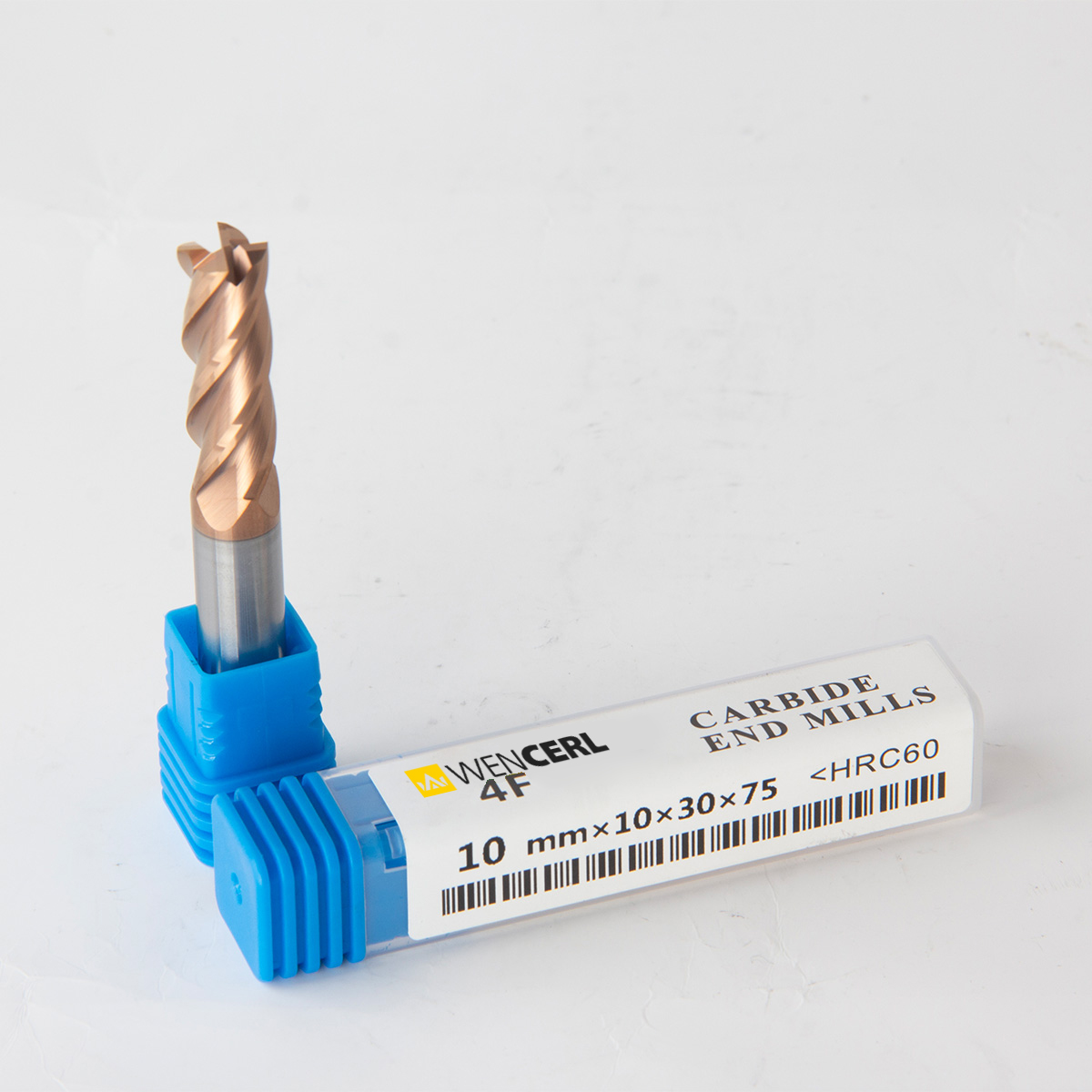
Roughing end mills are cutting tools designed to remove large amounts of material quickly. Unlike finishing end mills, which are used for final passes to achieve a smooth surface, roughing end mills are used in the early stages of machining to shape the workpiece and prepare it for finishing. Their distinctive feature is the serrated cutting edge, which breaks the material into small chips, reducing the load on the tool and the machine.
Key Characteristics of Roughing End Mills:
- Serrated Cutting Edge: The wavy or scalloped cutting edge helps to break up chips, reducing friction and heat generation.
- High Material Removal Rate (MRR): These tools are optimized for aggressive cuts, allowing you to remove more material in less time.
- Durability: Made from tough materials like carbide or High-Speed Steel (HSS), roughing end mills can withstand the rigors of heavy-duty cutting.
Why Use Roughing End Mills?
Roughing end mills offer several advantages that make them a go-to choice for many machinists:
- Increased Productivity
- The primary benefit of using roughing end mills is their ability to quickly remove large amounts of material. This capability allows you to complete the roughing phase of your machining process faster, freeing up time for more detailed work.
- Reduced Cutting Forces
- The serrated cutting edges of roughing end mills break chips into smaller pieces, reducing the cutting forces on the tool and the machine. This leads to smoother operation, less vibration, and extended tool life.
- Improved Tool Longevity
- Because roughing end mills are designed for heavy material removal, they are typically more robust than finishing tools. Their durability means they can handle the tough initial cuts without wearing out quickly, saving you money on tool replacement.
- Better Heat Management
- The small chips produced by roughing end mills dissipate heat more effectively than the larger chips produced by traditional end mills. This helps keep the tool and the workpiece cooler, reducing the risk of thermal damage.
Applications of Roughing End Mills
Roughing end mills are versatile tools that can be used in a variety of applications, including:
- Heavy-Duty Milling: Ideal for removing large amounts of material from workpieces in industries such as automotive, aerospace, and heavy equipment manufacturing.
- Pre-Finishing Operations: Use roughing end mills to quickly shape a workpiece before switching to a finishing tool for the final pass.
- Milling Hard Materials: Roughing end mills are well-suited for cutting through hard materials like stainless steel, titanium, and high-strength alloys.
Choosing the Right Roughing End Mill
To get the most out of your roughing end mills, it’s essential to select the right tool for your specific application:
- Tool Material: Choose a tool material that matches the hardness of the material you’re working with. Carbide tools are great for hard materials, while HSS is more suitable for softer metals.
- Coating: Consider tools with coatings such as TiN (Titanium Nitride) or TiAlN (Titanium Aluminum Nitride) for added wear resistance and longer tool life.
- Flute Count: A higher flute count can lead to a better surface finish, but lower flute counts offer better chip clearance and are preferred for roughing.
Maximizing Efficiency with Roughing End Mills
To fully leverage the benefits of roughing end mills, consider the following tips:
- Optimize Cutting Parameters: Adjust cutting speed, feed rate, and depth of cut based on the material and tool to maximize efficiency without compromising tool life.
- Use Proper Tool Path Strategies: Employ strategies like trochoidal milling or adaptive clearing to maintain consistent tool engagement and prevent excessive wear.
- Regular Tool Inspection: Check your tools regularly for signs of wear or damage. Even though roughing end mills are durable, regular inspections can prevent unexpected failures.
Conclusion
Roughing end mills are powerful tools that can dramatically increase your milling efficiency, especially when working with tough materials or large workpieces. By using these tools strategically, you can save time, reduce costs, and improve the overall quality of your machining projects. Whether you’re working in a high-production environment or a small shop, roughing end mills are an investment that pays off in spades.