

Introduction
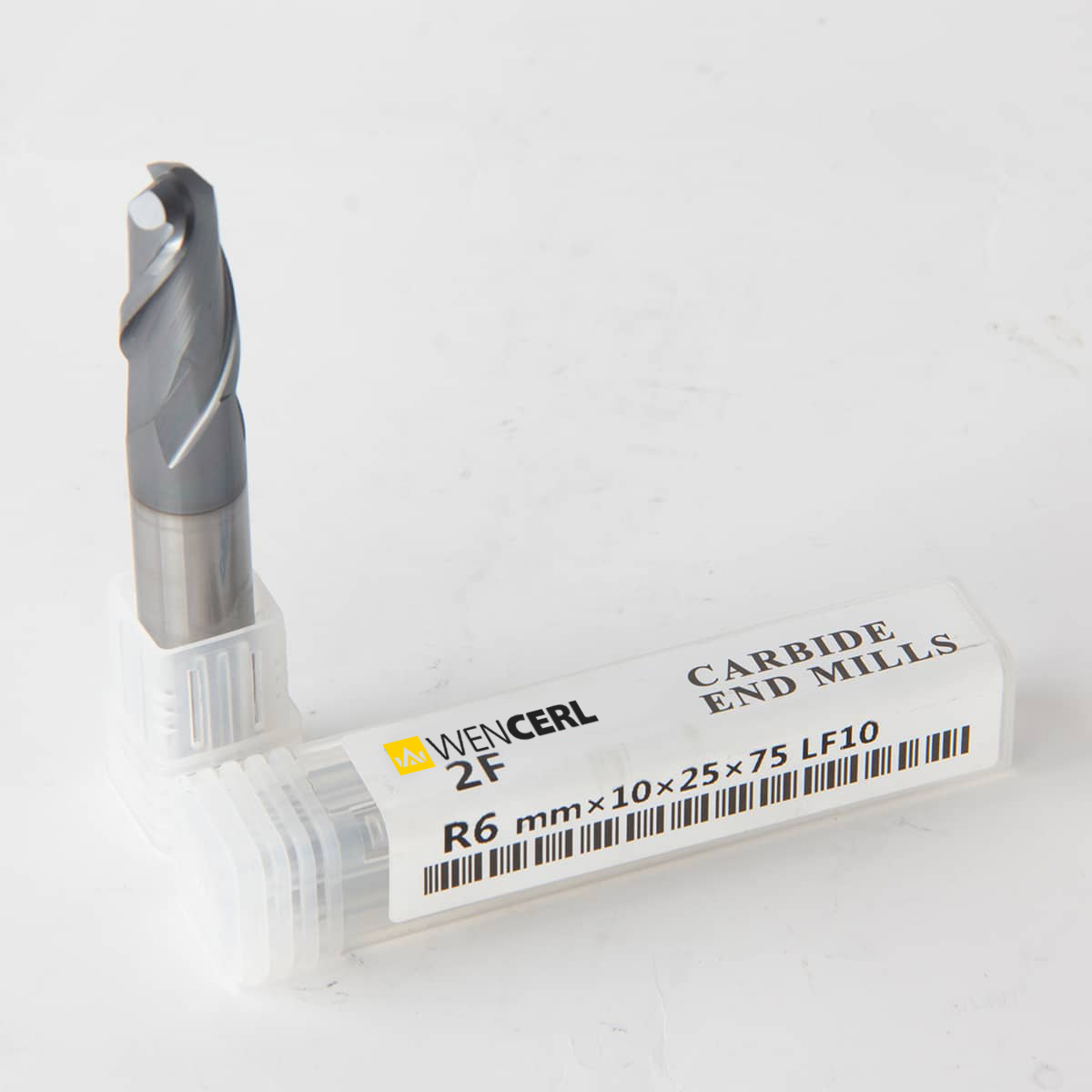
In the world of machining and milling, ball nose end mills hold a unique position. Their distinctive rounded tip sets them apart from other types of end mills, making them ideal for certain tasks where precision and surface finish are paramount. But what exactly are ball nose end mills, and when should you reach for one over a flat or other specialized end mill? Let’s explore.
What Are Ball Nose End Mills?
Ball nose end mills are cutting tools with a hemispherical tip, rather than the flat tip typical of standard end mills. This rounded shape allows them to create curved profiles and smooth contours in materials, making them indispensable for three-dimensional work, such as complex molds, dies, and detailed sculpture work. They are most commonly used in CNC milling applications where precise control over the cutting path is needed.
Key Characteristics of Ball Nose End Mills:
- Rounded Cutting Edge: The spherical tip provides a uniform surface finish on curved profiles.
- Versatility: Capable of cutting in any direction, making them suitable for intricate geometries.
- Variety of Sizes: Available in various diameters, lengths, and flute counts to match specific applications.
When to Use Ball Nose End Mills
Ball nose end mills are particularly useful in the following scenarios:
- 3D Contouring and Sculpting
- The rounded tip allows for smooth transitions between surfaces, making ball nose end mills perfect for 3D machining tasks like sculpting or creating organic shapes. They are widely used in the manufacturing of molds and dies where complex surfaces are required.
- Surface Finishing
- When a high-quality surface finish is crucial, ball nose end mills are the tool of choice. The curved cutting edge reduces tool marks, resulting in a smoother finish compared to flat end mills. They are often used as a finishing tool following roughing operations with other types of mills.
- Machining Complex Geometries
- Ball nose end mills excel at machining intricate parts with complex geometries, such as turbine blades, impellers, or other components with multiple curved surfaces. Their ability to cut smoothly in all directions is key to producing these parts with precision.
- Engraving and Detail Work
- For applications requiring fine detail or precision engraving, such as jewelry making or intricate signage, ball nose end mills provide the control needed to achieve high-quality results.
Choosing the Right Ball Nose End Mill
When selecting a ball nose end mill, consider the following factors:
- Material Compatibility: Ensure the tool material (carbide, HSS, etc.) is suitable for the workpiece material.
- Diameter and Length: The size of the tool should match the scale of the project. Smaller diameters are better for detailed work, while larger ones are suited for broader surfaces.
- Flute Count: More flutes can offer a better finish but may reduce chip clearance, which is essential in deeper cuts.
Conclusion
Ball nose end mills are an essential tool in any machinist’s arsenal, particularly when working on 3D projects, intricate details, or when a smooth surface finish is required. Understanding when and how to use them can significantly impact the quality of your work and the efficiency of your machining processes.