

Outline
- Introduction
- Overview of Carbide End Mills
- Importance in Modern Machining
- What Are Carbide End Mills?
- Definition and Basic Structure
- Materials Used in Manufacturing
- Types of Carbide End Mills
- Single-End vs. Double-End Mills
- Ball Nose vs. Flat End Mills
- Roughing vs. Finishing End Mills
- Key Features of Carbide End Mills
- Flute Design and Count
- Helix Angle
- Coating and Surface Treatment
- Advantages of Using Carbide End Mills
- Durability and Longevity
- High-Speed Performance
- Precision and Accuracy
- Applications of Carbide End Mills
- General Machining
- Aerospace Industry
- Automotive Manufacturing
- Tool and Die Making
- How to Choose the Right Carbide End Mill
- Material Compatibility
- Cutting Speed and Feed Rate
- Workpiece Requirements
- Maintenance and Care of Carbide End Mills
- Proper Storage
- Cleaning and Lubrication
- Re-sharpening and Reconditioning
- Common Mistakes to Avoid with Carbide End Mills
- Overloading the Tool
- Using Incorrect Feed Rate
- Ignoring Tool Wear
- Comparing Carbide End Mills with Other Cutting Tools
- Carbide vs. HSS (High-Speed Steel) End Mills
- Carbide vs. Ceramic and CBN Tools
- Innovations in Carbide End Mill Technology
- Advances in Coating Materials
- Development of Hybrid Tools
- Integration with CNC Technology
- Future Trends in Carbide End Mills
- Sustainability and Eco-Friendly Designs
- Smart Tools and IoT Integration
- Cost Considerations of Carbide End Mills
- Price vs. Performance
- ROI (Return on Investment)
- Tips for Maximizing the Life of Carbide End Mills
- Optimal Machining Practices
- Regular Inspections
- Conclusion
- Summary of Key Points
- Final Thoughts on Carbide End Mills
- FAQs
- What is the difference between carbide and HSS end mills?
- How long do carbide end mills typically last?
- Can carbide end mills be used on all materials?
- What should I consider when re-sharpening carbide end mills?
- How do I know when it’s time to replace a carbide end mill?
Carbide End Mills: Everything You Need to Know
Introduction
Carbide end mills are the unsung heroes of the machining world. If you’ve ever worked in metalworking, woodworking, or manufacturing, chances are you’ve used or at least heard of them. But what makes carbide end mills so special? Why are they the go-to tool for so many professionals? In this article, we’ll dive deep into everything you need to know about carbide end mills, from their basic structure to their advanced applications.
What Are Carbide End Mills?
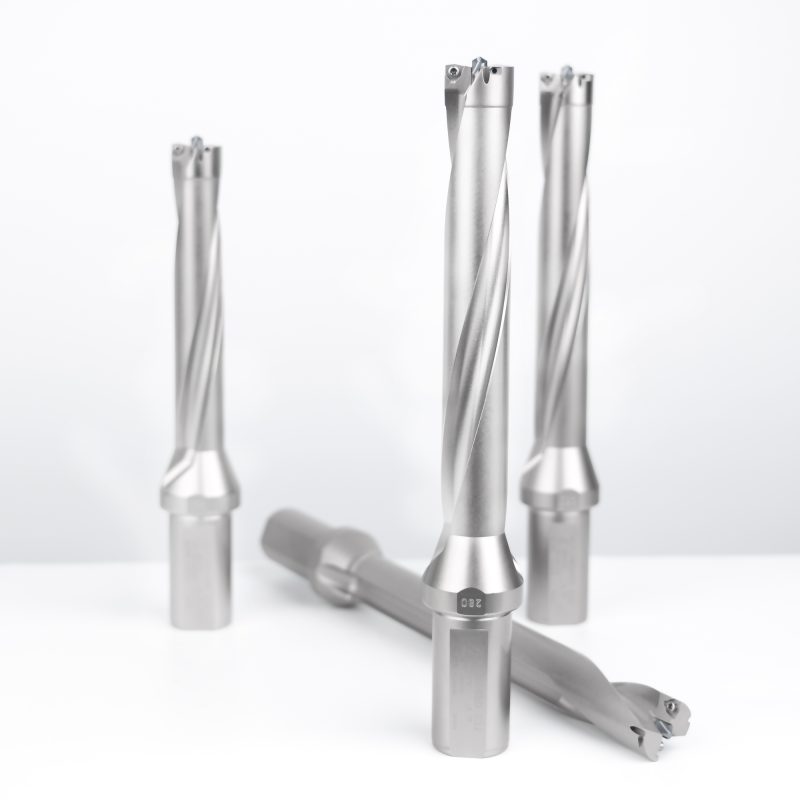
At their core, carbide end mills are cutting tools used in milling applications. They are typically made from tungsten carbide, a material known for its incredible hardness and wear resistance. The cutting edges of these tools are designed to remove material from a workpiece by rotating at high speeds, making them essential in various machining processes.
The basic structure of a carbide end mill includes a shank, which is clamped in the tool holder, and a cutting head with multiple flutes or cutting edges. These flutes can vary in number, shape, and angle, depending on the specific milling operation.
Types of Carbide End Mills
Carbide end mills come in various shapes and sizes, each designed for specific applications:
- Single-End vs. Double-End Mills: Single-end mills have one cutting end, while double-end mills have two. The latter allows for longer tool life, as you can simply flip the tool when one end becomes dull.
- Ball Nose vs. Flat End Mills: Ball nose mills are perfect for contouring and 3D work, while flat end mills are ideal for surface milling and slotting.
- Roughing vs. Finishing End Mills: Roughing mills are used to remove large amounts of material quickly, whereas finishing mills are designed for precision and smooth surface finishes.
Key Features of Carbide End Mills
Several key features define the performance of carbide end mills:
- Flute Design and Count: The number of flutes can range from two to eight or more. Fewer flutes allow for better chip evacuation, while more flutes offer a smoother finish.
- Helix Angle: The angle of the cutting edge relative to the tool’s axis affects the tool’s performance. A higher helix angle provides a sharper cutting edge, ideal for softer materials.
- Coating and Surface Treatment: Modern carbide end mills often come with specialized coatings, such as TiN (Titanium Nitride) or TiAlN (Titanium Aluminum Nitride), to enhance tool life and performance.
Advantages of Using Carbide End Mills
Carbide end mills offer several advantages that make them a preferred choice in machining:
- Durability and Longevity: Carbide is significantly harder than High-Speed Steel (HSS), resulting in longer tool life, even under challenging conditions.
- High-Speed Performance: Carbide end mills can operate at higher speeds, leading to increased productivity.
- Precision and Accuracy: These tools maintain sharp edges longer, ensuring precise cuts and consistent performance.
Applications of Carbide End Mills
Carbide end mills are versatile tools used across various industries:
- General Machining: From drilling to slotting, carbide end mills handle numerous machining tasks with ease.
- Aerospace Industry: Precision is critical in aerospace, and carbide end mills deliver the accuracy required for complex components.
- Automotive Manufacturing: Carbide end mills are used to machine engine parts, transmission components, and more.
- Tool and Die Making: The high precision of carbide end mills is crucial for creating detailed molds and dies.
How to Choose the Right Carbide End Mill
Selecting the right carbide end mill depends on several factors:
- Material Compatibility: Ensure the end mill is suitable for the material being machined, whether it’s steel, aluminum, or plastic.
- Cutting Speed and Feed Rate: These parameters must be optimized based on the material and desired finish.
- Workpiece Requirements: Consider the specific dimensions, tolerances, and surface finishes needed for the job.
Maintenance and Care of Carbide End Mills
Proper maintenance is key to maximizing the life of carbide end mills:
- Proper Storage: Store tools in a dry, organized space to prevent damage and corrosion.
- Cleaning and Lubrication: Regularly clean and lubricate the tools to maintain performance.
- Re-sharpening and Reconditioning: When the tool begins to dull, re-sharpening can restore its cutting edge, extending its useful life.
Common Mistakes to Avoid with Carbide End Mills
Avoid these common errors to ensure the best results:
- Overloading the Tool: Exceeding the recommended cutting parameters can lead to premature tool failure.
- Using Incorrect Feed Rate: Incorrect feed rates can result in poor surface finish or tool breakage.
- Ignoring Tool Wear: Running a worn tool can damage the workpiece and reduce the tool’s effectiveness.
Comparing Carbide End Mills with Other Cutting Tools
Carbide end mills are often compared to other cutting tools:
- Carbide vs. HSS (High-Speed Steel) End Mills: While HSS is cheaper, carbide offers superior performance and longevity.
- Carbide vs. Ceramic and CBN Tools: For extreme hardness, ceramic and CBN tools are used, but carbide is more versatile and widely applicable.
Innovations in Carbide End Mill Technology
The field of carbide end mills continues to evolve with technological advancements:
- Advances in Coating Materials: New coatings improve heat resistance and reduce wear, further enhancing tool life.
- Development of Hybrid Tools: Combining carbide with other materials offers unique performance benefits.
- Integration with CNC Technology: Carbide end mills are increasingly designed for compatibility with CNC machines, allowing for more precise and automated operations.
Future Trends in Carbide End Mills
Looking ahead, several trends are shaping the future of carbide end mills:
- Sustainability and Eco-Friendly Designs: Manufacturers are exploring ways to reduce waste and improve the recyclability of carbide tools.
- Smart Tools and IoT Integration: The rise of Industry 4.0 is leading to the development of “smart” tools that can monitor their own performance and wear.
Cost Considerations of Carbide End Mills
When purchasing carbide end mills, it’s essential to consider both the upfront cost and the long-term benefits:
- Price vs. Performance: While carbide tools are more expensive, their extended lifespan often justifies the cost.
- ROI (Return on Investment): Investing in high-quality carbide end mills can result in better productivity and lower overall tool costs.
Tips for Maximizing the Life of Carbide End Mills
To get the most out of your carbide end mills:
- Optimal Machining Practices: Follow recommended speeds, feeds, and depths of cut to avoid overloading the tool.
- Regular Inspections: Periodically check for wear or damage to prevent unexpected failures.
Conclusion
Carbide end mills are essential tools in the world of machining, offering unparalleled durability, precision, and versatility. Whether you’re working in aerospace, automotive, or general manufacturing, these tools provide the performance needed to achieve high-quality results. By understanding the different types, features, and best practices for use, you can make the most of your investment in carbide end mills.
FAQs
- What is the difference between carbide and HSS end mills?
Carbide end mills are harder and more wear-resistant than HSS, allowing for faster cutting speeds and longer tool life. - How long do carbide end mills typically last?
The lifespan of a carbide end mill depends on the material being machined, cutting conditions, and tool maintenance but can last several times longer than HSS tools. - Can carbide end mills be used on all materials?
Carbide end mills are versatile and can be used on a wide range of materials, including metals, plastics, and composites. - What should I consider when re-sharpening carbide end mills?
Ensure that the tool geometry is maintained during re-sharpening to preserve cutting performance. - How do I know when it’s time to replace a carbide end mill?
Replace the tool if you notice increased cutting forces, poor surface finish, or visible wear on the cutting edges.