

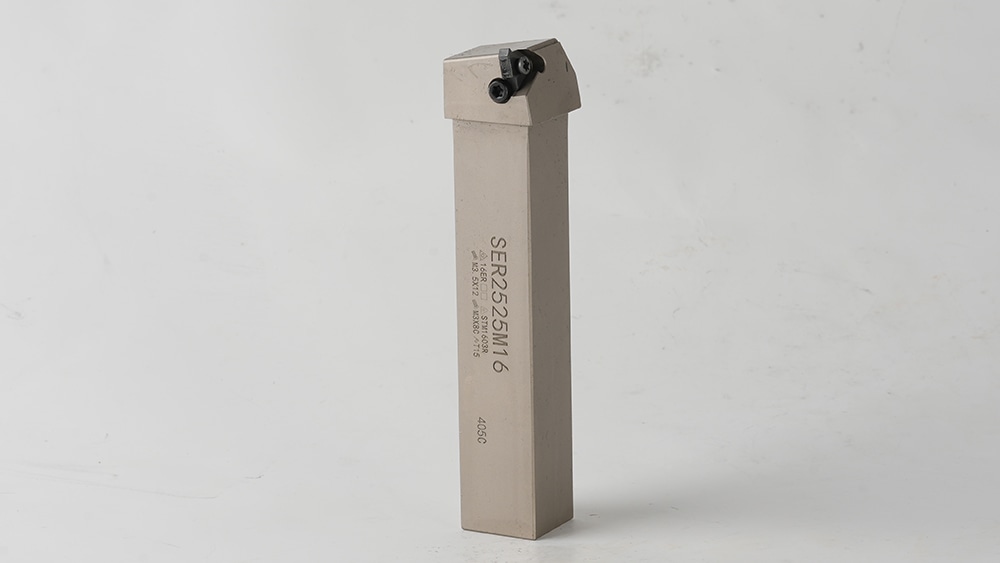
What Are Threading Tools?
Threading tools are devices or equipment used to cut or form threads on the inside or outside of a cylindrical object. They are indispensable in creating screw threads, which are fundamental for fastening and connecting parts. These tools come in various forms, such as taps, dies, thread mills, and thread-cutting machines, each suited for different applications and materials.
Types of Threading Tools
1. Taps and Dies
Taps are tools designed to create internal threads, such as those found in nuts. They come in different types, including hand taps, spiral point taps, and spiral flute taps, each serving specific threading needs.
Dies, on the other hand, are used to cut external threads on cylindrical objects like bolts. Circular and hex dies are the most common types, allowing for efficient threading on different materials. Both taps and dies are fundamental for any threading job due to their precision and versatility.
2. Thread Mills
Thread mills are CNC tools used for creating threads in both internal and external surfaces. Unlike taps and dies, thread mills offer more flexibility and control over the threading process, particularly in high-precision applications. They are ideal for threading hard materials and for situations where threading a large number of parts is necessary.
3. Thread-Cutting Machines
Thread-cutting machines are specialized tools designed to cut threads on pipes, bolts, and other cylindrical objects. These machines can be manual or CNC-operated, offering high efficiency and precision. They are commonly used in industrial settings where large-scale threading is required.
4. Thread Rolling Tools
Thread rolling tools are used to form threads by displacing material rather than cutting it. This process results in stronger threads because it maintains the material’s grain structure. Thread rolling is ideal for high-volume production and is often used in automotive and aerospace industries.
How to Choose the Right Threading Tool
Choosing the right threading tool depends on several factors, including the material, thread size, and the volume of work. For smaller, occasional jobs, hand taps and dies are often sufficient. However, for larger-scale or more precise applications, thread mills or thread-cutting machines may be more appropriate.
Material Consideration
Different materials require different types of threading tools. For example, harder materials like stainless steel might need high-speed steel or carbide taps and dies, while softer materials like aluminum can be threaded with standard tools. Always consider the material’s hardness and machinability when selecting your tool.
Thread Size and Type
The thread size and type (coarse or fine) will also influence your choice of tool. Taps and dies come in various sizes and configurations to match specific thread dimensions. For unique thread designs or sizes, a thread mill might offer more versatility.
Best Practices for Using Threading Tools
1. Use Lubrication
Always use a suitable lubricant when cutting threads to reduce friction and heat. Lubrication helps extend the life of your tools and ensures a smoother threading process.
2. Maintain Proper Alignment
Proper alignment is critical to achieving clean, accurate threads. Ensure the workpiece and tool are aligned correctly to avoid crooked or damaged threads.
3. Choose the Correct Tool Speed
Choosing the right speed is essential when using power tools like thread-cutting machines or mills. Too high a speed can cause overheating, while too low a speed can result in rough or incomplete threads. Follow the manufacturer’s recommendations for optimal speeds.
Common Threading Problems and Solutions
Even with the best tools, threading can sometimes go wrong. Common issues include cross-threading, chipped threads, and excessive wear on tools. To avoid these problems, always inspect your tools regularly, use appropriate feeds and speeds, and ensure that your workpieces are securely clamped.
Maintaining Your Threading Tools
Regular maintenance is crucial for extending the life of your threading tools. Clean them after each use to remove debris, apply a protective coating to prevent rust, and store them properly. Sharpen or replace tools that show signs of wear to ensure precision in your work.
Conclusion: Achieving Perfect Threads Every Time
Threading tools are a critical component in various industries, from manufacturing to repair. Understanding the types of threading tools, their specific uses, and best practices for maintenance will help you achieve perfect threads every time. With the right knowledge and tools, you can enhance the quality of your projects and increase efficiency.
Would you like to know more about threading tools and techniques? Feel free to ask!