

Understanding Turning Inserts: Negative vs. Positive
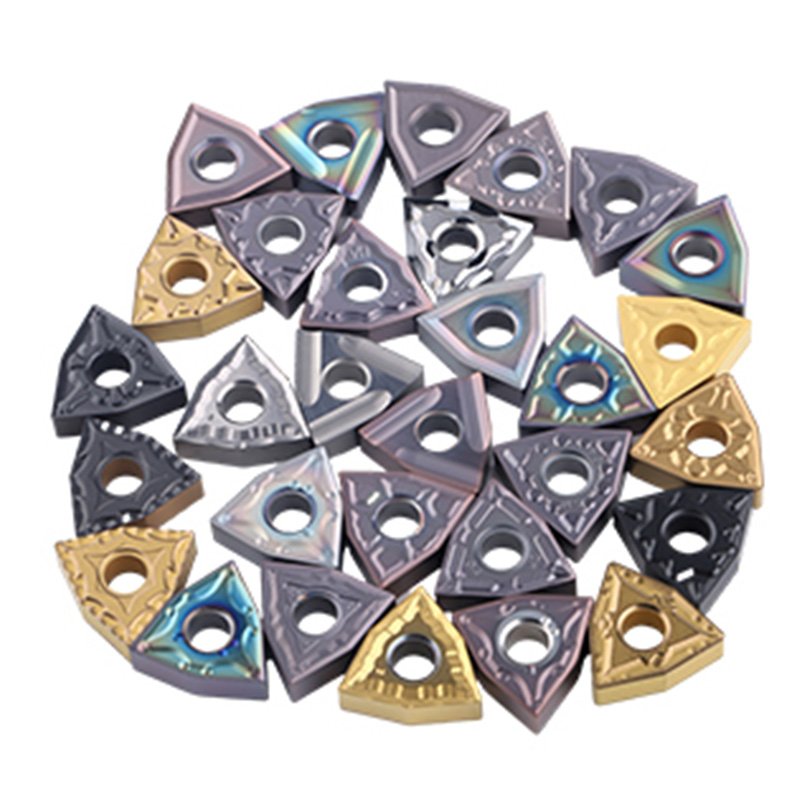
Turning inserts are small, replaceable cutting tools used in lathe machines for various turning operations. They come in different shapes, sizes, and geometries, with the most common distinction being between negative and positive inserts.
Negative Turning Inserts
Negative turning inserts have a zero or negative rake angle, meaning the cutting edge is positioned at or below the centerline of the workpiece. These inserts are generally thicker and stronger, making them ideal for heavy-duty machining.
Key Characteristics:
- Durability: Due to their thickness and strength, negative inserts can handle higher cutting forces and are less prone to chipping or breakage. This makes them suitable for roughing operations and machining hard materials.
- Longer Tool Life: The robust nature of negative inserts often results in a longer tool life, especially in high-impact cutting conditions.
- Flexibility: Negative inserts can be used on both sides, allowing for multiple cutting edges, which enhances their cost-effectiveness.
Positive Turning Inserts
Positive turning inserts feature a positive rake angle, where the cutting edge is positioned above the centerline of the workpiece. These inserts are typically thinner and sharper, offering lower cutting forces and smoother cutting action.
Key Characteristics:
- Low Cutting Forces: Positive inserts generate lower cutting forces, reducing the load on the machine and workpiece. This makes them ideal for finishing operations and machining softer materials.
- Better Surface Finish: The sharper cutting edge of positive inserts results in a smoother surface finish, which is critical in applications requiring high precision.
- Reduced Vibration: Positive inserts tend to produce less vibration during cutting, leading to improved stability and accuracy.
Choosing Between Negative and Positive Inserts
The decision between negative and positive turning inserts depends on several factors related to your specific machining application.
Material Being Machined
The type of material you’re machining plays a significant role in determining which insert is best.
- Hard Materials (e.g., steel, cast iron): Negative inserts are better suited for machining hard materials due to their durability and ability to withstand high cutting forces.
- Soft Materials (e.g., aluminum, brass): Positive inserts are ideal for softer materials, where lower cutting forces and better surface finishes are desired.
Type of Operation
The nature of the turning operation is another crucial factor.
- Roughing Operations: For heavy material removal and roughing tasks, negative inserts are preferred due to their strength and ability to handle high-impact cutting.
- Finishing Operations: Positive inserts excel in finishing operations where precision, smooth surface finishes, and low cutting forces are essential.
Machine Power and Stability
The power and stability of your machining equipment can also influence your choice.
- High-Power Machines: Negative inserts are more suitable for high-power machines that can handle the higher cutting forces generated.
- Low-Power Machines: Positive inserts are better for machines with lower power or less rigidity, as they produce less cutting force and vibration.
Maximizing the Performance of Your Turning Inserts
To get the most out of your turning inserts, it’s important to follow best practices in their use and maintenance.
Optimizing Cutting Parameters
Running your inserts at the optimal cutting speeds, feed rates, and depths of cut will maximize their performance. Be sure to consult the manufacturer’s guidelines for recommended parameters based on the material and operation.
Regular Inspection and Replacement
Routine inspection of your turning inserts is essential for maintaining machining efficiency and quality. Worn or damaged inserts should be replaced promptly to avoid compromising the quality of your workpiece.
Conclusion: Making the Right Choice for Your Application
Choosing between negative and positive turning inserts depends on your specific machining needs, including the material being machined, the type of operation, and the capabilities of your machine. By understanding the strengths and limitations of each insert type, you can select the tool that best meets your requirements, leading to improved efficiency, precision, and overall performance in your turning operations.