

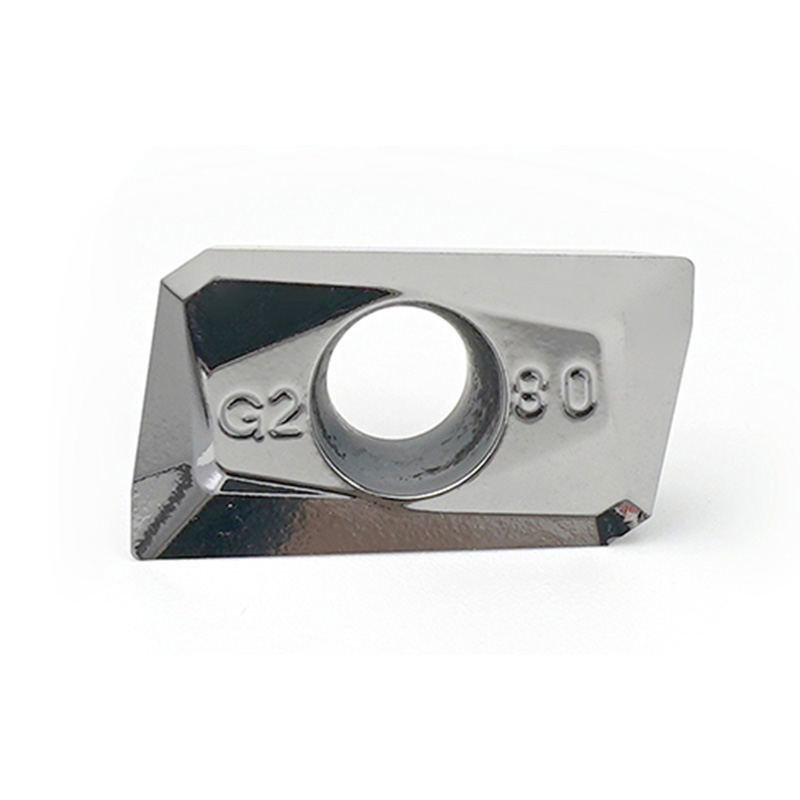
Selecting the Right Milling Inserts
Achieving superior Material Removal Rates(MRR) starts with selecting the appropriate milling inserts for the job. Factors such as insert material, coating, and geometry significantly influence cutting performance. Inserts made from high-grade materials like carbide or cermet, combined with advanced coatings such as TiN or TiAlN, enhance hardness, wear resistance, and thermal stability. Matching the insert type to the material being machined ensures optimal cutting conditions and efficiency.
Optimizing Cutting Parameters
To maximize material removal rates, it is crucial to optimize cutting parameters such as cutting speed, feed rate, and depth of cut. High-quality milling inserts are designed to handle increased cutting speeds and feed rates, allowing for more aggressive material removal. Adjusting these parameters based on the insert’s capabilities and the material being machined helps achieve faster processing times and improved efficiency.
Utilizing Advanced Insert Geometries
Milling inserts come in various geometries, each suited for different cutting tasks. Inserts with specialized geometries, such as those with multiple cutting edges or unique chip-breaking features, can significantly enhance material removal rates. Selecting inserts with the right geometry for specific applications, such as face milling, slotting, or profiling, ensures efficient and effective material removal.
Enhancing Tool Life with Proper Cooling and Lubrication
Proper cooling and lubrication are critical for maintaining tool life and achieving high material removal rates. Milling inserts operate under high temperatures and pressures, which can lead to tool wear and reduced performance. Using appropriate cutting fluids or coolants helps dissipate heat and reduce friction, extending tool life and maintaining optimal cutting conditions.
Maintaining Consistent Tool Performance
To achieve consistent material removal rates, it is important to maintain the performance of milling inserts. Regular monitoring and maintenance of cutting tools, including checking for wear and replacing inserts as needed, ensure reliable and effective machining. Consistent tool performance contributes to stable material removal rates and overall process efficiency.
Integrating Modern Machining Technologies
Modern machining technologies, such as Computer Numerical Control (CNC) and advanced tool holders, can further enhance the effectiveness of milling inserts. CNC systems provide precise control over cutting parameters and tool movements, allowing for optimized material removal and improved accuracy. Advanced tool holders with quick-change capabilities and vibration-damping features contribute to better tool performance and efficiency.
Adapting to Different Materials and Applications
Milling inserts must be adaptable to various materials and applications to achieve superior material removal rates. Inserts with versatile designs and coatings can handle different materials, from soft metals to hard alloys and composites. Adapting milling inserts to specific machining tasks ensures effective material removal and high productivity across diverse applications.
Future Trends in Milling Insert Technology
The future of milling inserts will likely see advancements in materials, coatings, and designs. Innovations such as smart inserts with embedded sensors and adaptive geometries promise to further enhance material removal rates and tool performance. Staying informed about these trends will help manufacturers leverage new technologies for improved milling efficiency and productivity.
Conclusion
Milling inserts are pivotal in achieving superior material removal rates and optimizing milling processes. By selecting the right inserts, optimizing cutting parameters, utilizing advanced geometries, and maintaining tool performance, manufacturers can enhance machining efficiency and productivity. Integrating modern technologies and staying updated on future trends will further improve milling insert performance, driving advancements in material removal and overall machining success.
4o mini