

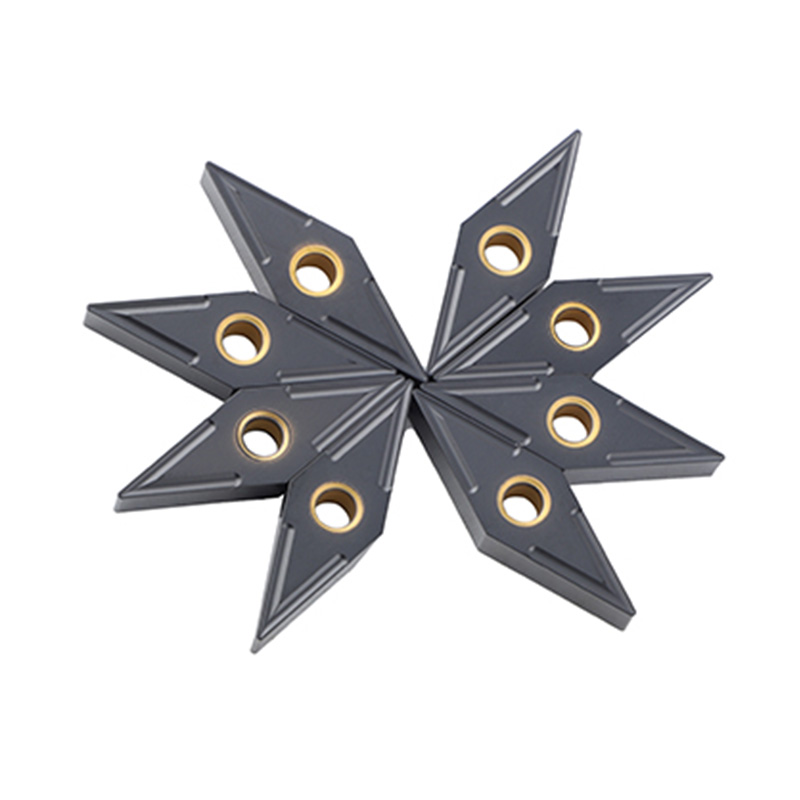
Boosting Precision and Reducing Errors
In heavy industries, precision is vital for producing high-quality components. Advanced cutting tools, such as those made from high-grade carbides or equipped with specialized coatings, offer exceptional accuracy. This precision reduces machining errors and the need for rework, leading to higher productivity and lower costs.
Extending Tool Life and Reducing Downtime
Durability is a key factor in the efficiency of cutting tools used in heavy industries. Innovations in tool materials, like high-strength carbide and advanced ceramics, extend tool life and performance. These longer-lasting tools reduce the frequency of replacements and maintenance, minimizing downtime and improving overall operational efficiency.
Optimizing Machining Speeds and Feed Rates
Advanced cutting tools are designed to handle higher cutting speeds and feed rates, crucial for efficient machining in heavy industries. Tools with advanced geometries and coatings facilitate faster material removal and better heat management. This leads to shorter machining cycles, higher throughput, and improved overall efficiency.
Minimizing Material Waste
Efficient material use is a significant concern in heavy industries. Cutting tools that provide precise and clean cuts help minimize material waste. By reducing scrap and optimizing material utilization, these tools contribute to cost savings and a more sustainable manufacturing process.
Enhancing Capability for Complex Machining
Heavy industries often require the machining of large and complex components. Advanced cutting tools are engineered to tackle these challenges, offering capabilities such as multi-axis machining and deep hole drilling. These tools enable the production of intricate parts with high precision, supporting the diverse and demanding needs of heavy industries.
Improving Safety and Reducing Environmental Impact
Safety and environmental considerations are increasingly important in heavy industries. Advanced cutting tools help improve safety by reducing tool vibrations and wear-related issues that can lead to accidents. Additionally, efficient machining with these tools reduces energy consumption and waste, aligning with environmental sustainability goals.
Integration with Automation and Smart Technologies
The integration of advanced cutting tools with automation and smart technologies is driving further efficiency in heavy industries. Tools equipped with sensors and real-time monitoring systems provide data on tool performance and wear. This integration enables predictive maintenance, process optimization, and enhanced control over machining operations, contributing to increased efficiency and reduced downtime.
Future Trends and Innovations
The future of advanced cutting tools in heavy industries will see continued innovation. Emerging trends such as adaptive cutting tools, advanced coatings, and integration with Industry 4.0 technologies promise to further enhance efficiency and performance. Keeping pace with these developments will be crucial for manufacturers seeking to maintain a competitive edge and drive growth.
Conclusion
Advanced cutting tools are essential in driving efficiency within heavy industries. By boosting precision, extending tool life, optimizing machining processes, and integrating with modern technologies, these tools contribute to higher productivity and cost savings. As technology evolves, advanced cutting tools will continue to play a pivotal role in shaping the future of heavy industries, offering new opportunities for innovation and improvement.