

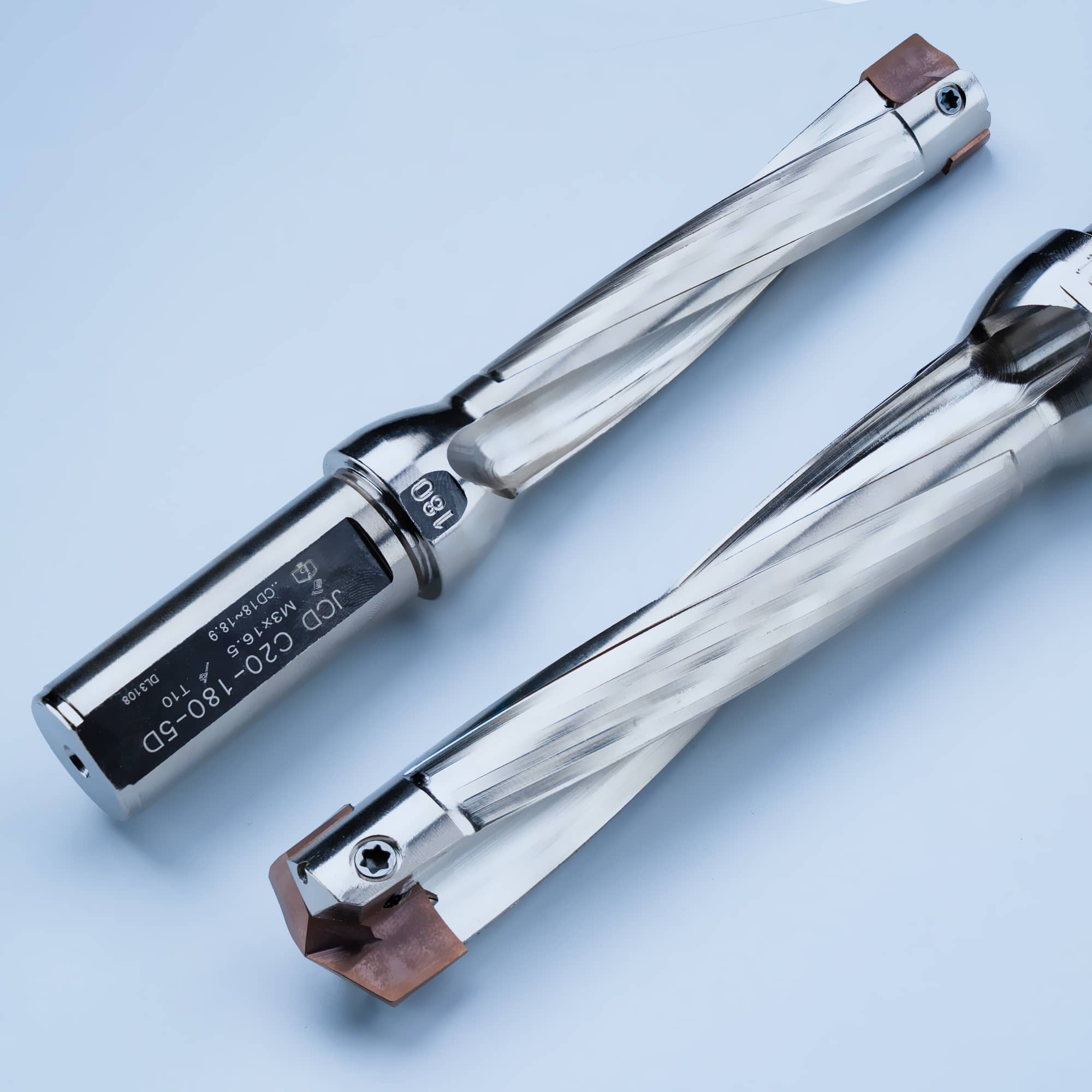
Versatility in Cutting Applications
End mills are highly versatile tools capable of performing a wide range of cutting operations. They can cut various materials, including metals, plastics, and composites, making them suitable for diverse applications. Whether performing face milling, slotting, or contouring, end mills offer flexibility that supports various milling tasks.
High-Speed Machining Capabilities
Modern end mills are designed to handle High-Speed Machining (HSM), which significantly improves efficiency. With advanced materials and coatings, these tools can withstand high cutting speeds and feed rates. This capability allows for faster material removal, shorter cycle times, and increased production rates, contributing to overall operational efficiency.
Precision and Surface Finish
End mills are engineered to provide precise cuts and high-quality surface finishes. Their design allows for accurate control over cutting depths and geometries, ensuring that components meet tight tolerances and specifications. High-quality end mills reduce surface defects and achieve smooth finishes, which is crucial for components requiring tight tolerances and fine details.
Advanced Coatings and Materials
The efficiency of end mills is enhanced by advancements in coatings and materials. Coatings such as Titanium Nitride (TiN) and Titanium Carbonitride (TiCN) improve hardness, reduce friction, and enhance wear resistance. These innovations increase tool life and performance, allowing end mills to maintain their cutting edge for longer periods and under more demanding conditions.
Customizable Designs for Specific Needs
End mills come in various shapes, sizes, and configurations, allowing for customization to meet specific milling requirements. From standard designs to specialized options like ball-nose, corner-radius, and indexable end mills, manufacturers can select or customize tools to address unique machining challenges. This customization helps achieve optimal results in different applications.
Improving Efficiency and Reducing Waste
End mills designed for efficiency contribute to reduced material waste and lower production costs. Tools with optimized geometries and cutting strategies minimize errors and rework, resulting in better material utilization and fewer scrap parts. Efficient milling processes lead to cost savings and a more sustainable manufacturing operation.
Integration with Advanced Machining Technologies
End mills are increasingly integrated with advanced machining technologies, such as Computer Numerical Control (CNC) and automation systems. These integrations enhance precision and efficiency by providing real-time control over machining operations. Smart end mills equipped with sensors can offer data on tool performance and wear, enabling predictive maintenance and process optimization.
Future Trends and Innovations
The future of end mills will likely see continued innovations in materials, coatings, and designs. Emerging technologies, such as additive manufacturing and advanced coatings, promise to further enhance end mill performance and efficiency. Staying informed about these trends will help manufacturers leverage the latest advancements for improved milling operations.
Conclusion
End mills are unlocking new levels of efficiency in milling operations through their versatility, high-speed capabilities, and advanced designs. By offering precise cutting, extended tool life, and customizable options, end mills contribute to enhanced productivity and reduced costs in various industrial applications. As technology evolves, end mills will continue to play a crucial role in achieving greater efficiency and precision in milling processes.