

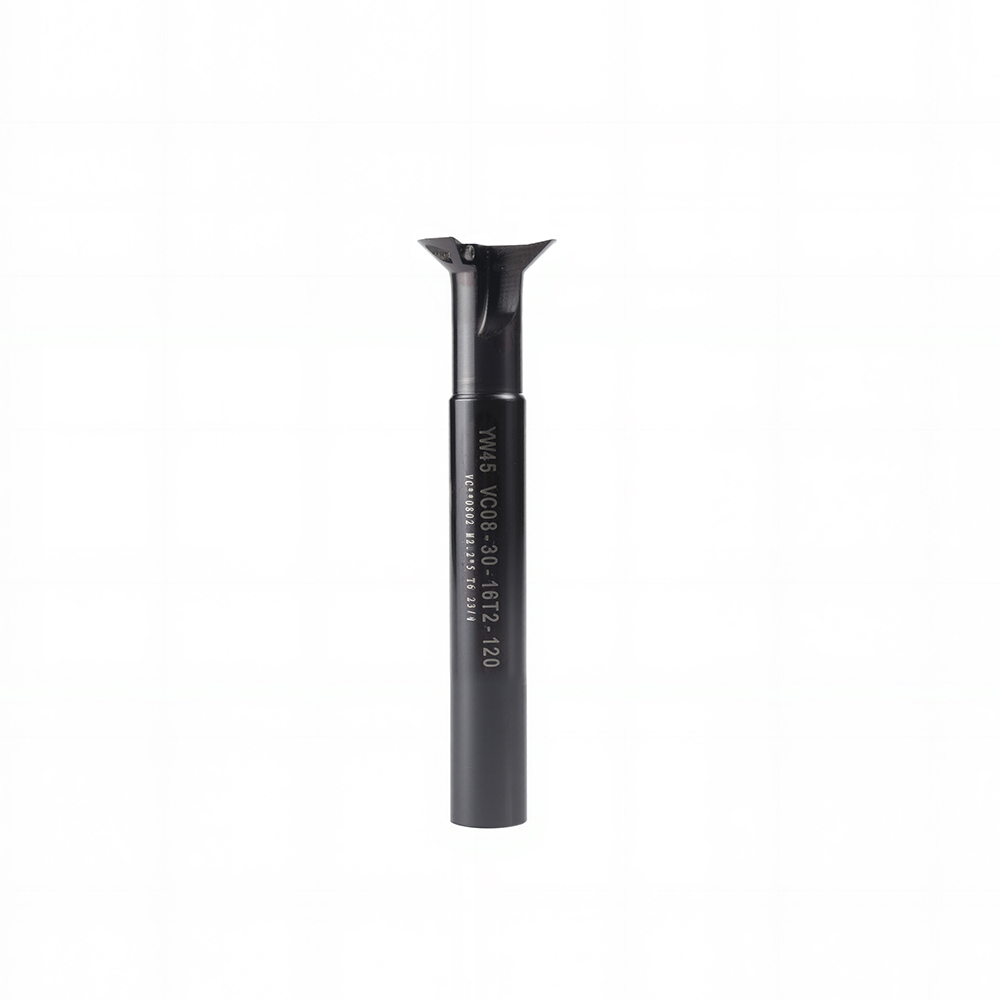
Swallow tail tool holders are widely favored for their high rigidity, precise fit, and ability to minimize vibration. However, even the most robust tool holders require proper maintenance to ensure long-term performance. Neglecting maintenance can lead to decreased machining accuracy, premature tool wear, and unexpected downtime. This guide outlines essential maintenance practices, preventive strategies, and best handling tips to help manufacturers and CNC professionals maximize the life and efficiency of their swallow tail tool holders.
Understanding the Importance of Swallow Tail Tool Holder Maintenance
Proper tool holder maintenance is crucial for consistent machining results. Swallow tail tool holders are designed to provide high clamping precision and repeatability, but dirt, wear, or misalignment can compromise their performance. A poorly maintained tool holder can result in:
- Reduced machining precision and surface finish quality
- Increased wear on both the cutting tool and the holder itself
- Vibration, chatter, or tool deflection during operations
- Potential damage to CNC spindles or machine fixtures
For manufacturers, these issues translate directly into higher production costs, increased scrap rates, and extended machine downtime. Regular maintenance is therefore not just a routine task but a strategic investment in reliability, precision, and cost efficiency.

Daily Maintenance Practices for Swallow Tail Tool Holders
A structured daily maintenance routine is the first step to prolonging tool holder life. Recommended practices include:
Cleaning and Inspection Routine
After each machining session, clean the tool holder to remove metal chips, cutting fluid residues, and dust. Use a lint-free cloth and manufacturer-approved cleaning solutions. Pay special attention to the dovetail and clamping surfaces, checking for cracks, scratches, or deformation that could affect alignment. A small nick in the dovetail can amplify vibrations during high-speed machining, reducing tool life and cutting quality.
Proper Lubrication Techniques
Certain swallow-tail tool holders feature moving parts or locking mechanisms that require light lubrication. Use only manufacturer-recommended lubricants sparingly to avoid contamination of the tool-to-holder interface. Excessive lubrication can attract debris, which may reduce clamping force and compromise repeatability.
Handling and Storage Best Practices
Always handle tool holders with care to prevent accidental drops or impacts. Store each holder in dedicated racks, foam-lined cases, or protective sleeves to avoid contact with other tools. Clearly labeling tool holders with inspection dates or usage hours can help maintain a maintenance log and track wear over time.
Preventive Measures to Extend Tool Holder Life
In addition to daily care, preventive strategies help minimize wear and maximize performance:
- Operate within recommended parameters: Adhere to the manufacturer’s specifications for speed, feed, and depth of cut. Overloading the tool holder accelerates wear and may cause permanent deformation.
- Ensure proper spindle alignment: Misalignment can induce vibration, uneven wear, and compromised machining precision. Periodic spindle calibration is critical for consistent results.
- Use compatible cutting tools: Mismatched diameter, length, or material hardness can stress the holder, reduce clamping efficiency, and accelerate wear.
- Rotate tool holders if possible: For high-volume production, periodically swapping tool holders between machines can distribute wear evenly and extend overall lifespan.
Implementing preventive maintenance routines not only reduces unexpected downtime but also lowers long-term production costs.
Recognizing When a Swallow Tail Tool Holder Needs Replacement
Even with proper care, tool holders have a finite service life. Key indicators for replacement include:
- Visible wear or deformation in the dovetail or clamping surfaces
- Loss of machining accuracy, such as inconsistent dimensions or surface finish
- Unusual vibration or noise during operation
Many manufacturers establish regular inspection schedules, enabling proactive replacement before machining quality is compromised or CNC components are damaged. Tracking tool holder performance over time is essential for reliable, repeatable machining.
Best Practices for Storage and Handling
Proper storage and handling further enhance tool holder longevity:
- Store holders in a dry, temperature-controlled environment to prevent rust or thermal distortion
- Use individual protective sleeves or dedicated slots to avoid accidental contact with other tools
- Maintain a maintenance log, noting inspection dates, usage hours, and observed wear, which supports proactive replacement decisions and reduces operational risk
These practices help maintain clamping precision and prevent common issues caused by improper storage, such as corrosion, deformation, or contamination.
Choosing High-Quality Swallow Tail Tool Holders for Longevity
Maintenance alone cannot compensate for low-quality tool holders. Selecting high-quality swallow tail tool holders ensures longer service life and consistent machining performance:
- Material selection: Hardened steel with anti-corrosion coatings resists wear and extends durability
- Manufacturing precision: Tight tolerances ensure repeatable positioning and reduce vibration
- Surface finish: Smooth contact surfaces minimize friction and wear, supporting a stable clamping force
Partnering with a trusted manufacturer ensures tool holders are engineered for demanding CNC applications, reducing the need for frequent maintenance and minimizing operational risk.
Common Maintenance Mistakes to Avoid
To maximize tool holder performance, avoid these common mistakes:
- Neglecting regular cleaning or lubrication
- Using incompatible cutting tools or accessories
- Storing tool holders in humid or cluttered environments
- Ignoring small signs of wear until they affect machining quality
Addressing these mistakes early prevents expensive downtime and maintains consistent production quality.
Conclusion
Maintaining swallow tail tool holders requires a combination of daily cleaning, preventive care, proper storage, and timely replacement. Investing in proper maintenance and selecting high-quality holders is a strategic decision for manufacturers looking to achieve long-term performance. Implementing a structured maintenance program not only protects your tooling investment but also supports efficient, repeatable, and high-precision machining operations.
Contact us: [email protected]