

Introduction
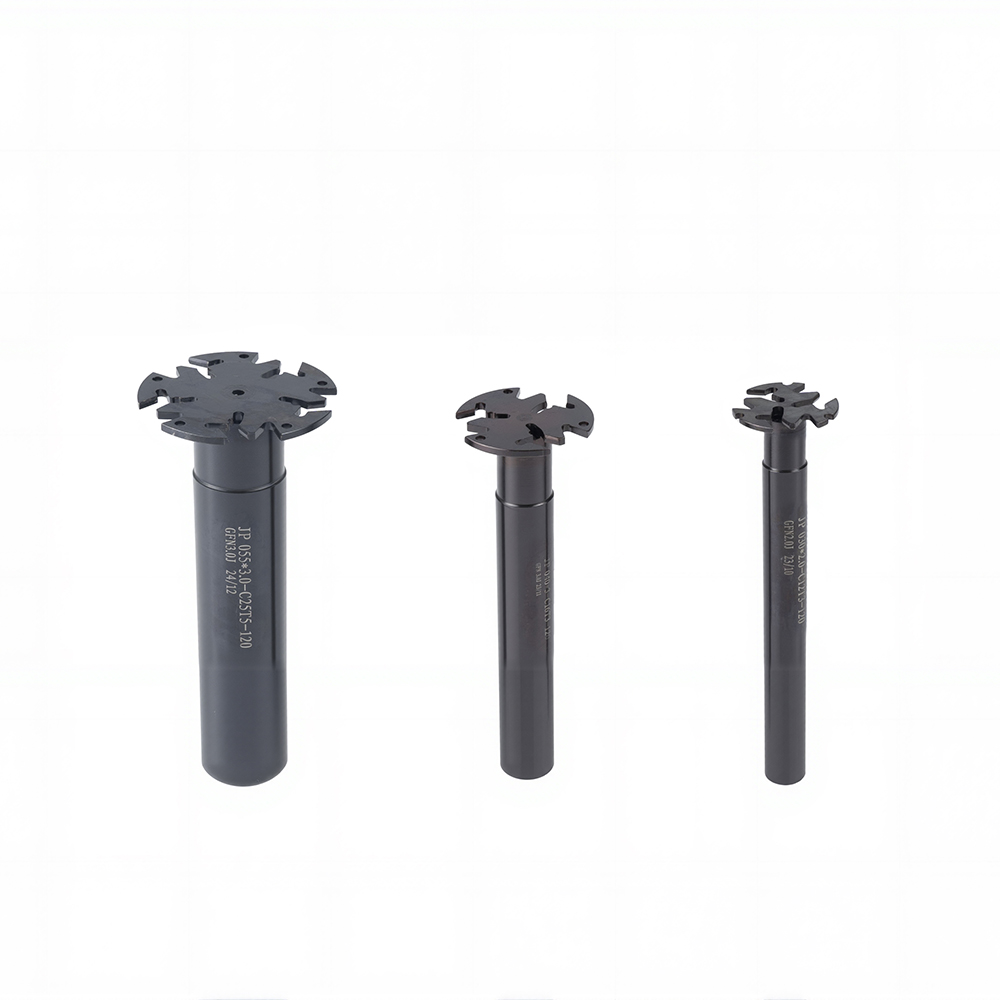
Milling slot operations are essential in modern precision manufacturing, playing a critical role in industries such as automotive, aerospace, mold-making, and industrial machinery. Efficient milling slot processing not only impacts production speed but also affects dimensional accuracy, surface quality, and overall operational cost. However, achieving high efficiency in slot milling is often hindered by technical challenges that can reduce tool life and compromise machining quality. This article explores common challenges in milling slot processing and provides practical solutions to optimize efficiency and performance.
Common Technical Challenges in Milling Slot Processing
1. Tool Wear and Short Tool Life
One of the most frequent challenges in milling slot operations is accelerated tool wear. High-speed cutting, hard-to-machine materials, and deep slot milling can quickly degrade cutting tools, leading to frequent replacements and increased production costs. Selecting the wrong tool material or coating can further shorten tool life, affecting both productivity and consistency.
2. Excessive Heat Generation
During high-speed slot milling, significant heat is generated at the cutting edge. Excessive heat can deform the workpiece, reduce surface finish quality, and accelerate tool wear. Heat buildup is particularly problematic when machining metals like titanium, stainless steel, or hardened alloys, where maintaining dimensional stability is critical.
3. Vibration and Chatter
Vibration or chatter during milling is another common issue. Low rigidity of the toolholder, improper fixturing of the workpiece, or excessive cutting depth can cause instability. This not only compromises surface finish but also reduces dimensional accuracy, potentially leading to part rejection and higher scrap rates.
4. Poor Chip Evacuation
Inefficient chip removal can obstruct the cutting area, increasing friction and heat. Chips left in the slot can scratch the workpiece surface or damage the cutting edge, further reducing efficiency and tool life. Slot geometries with deep or narrow features are particularly prone to chip accumulation.
5. Dimensional Accuracy and Surface Finish Issues
Inconsistent cutting conditions or improper tool selection can lead to dimensional deviations and rough surface finishes. For industries that require high-precision parts, such as aerospace and automotive, maintaining tight tolerances and high-quality surfaces is crucial.
Solutions to Improve Milling Slot Efficiency
1. Optimized Tool Selection
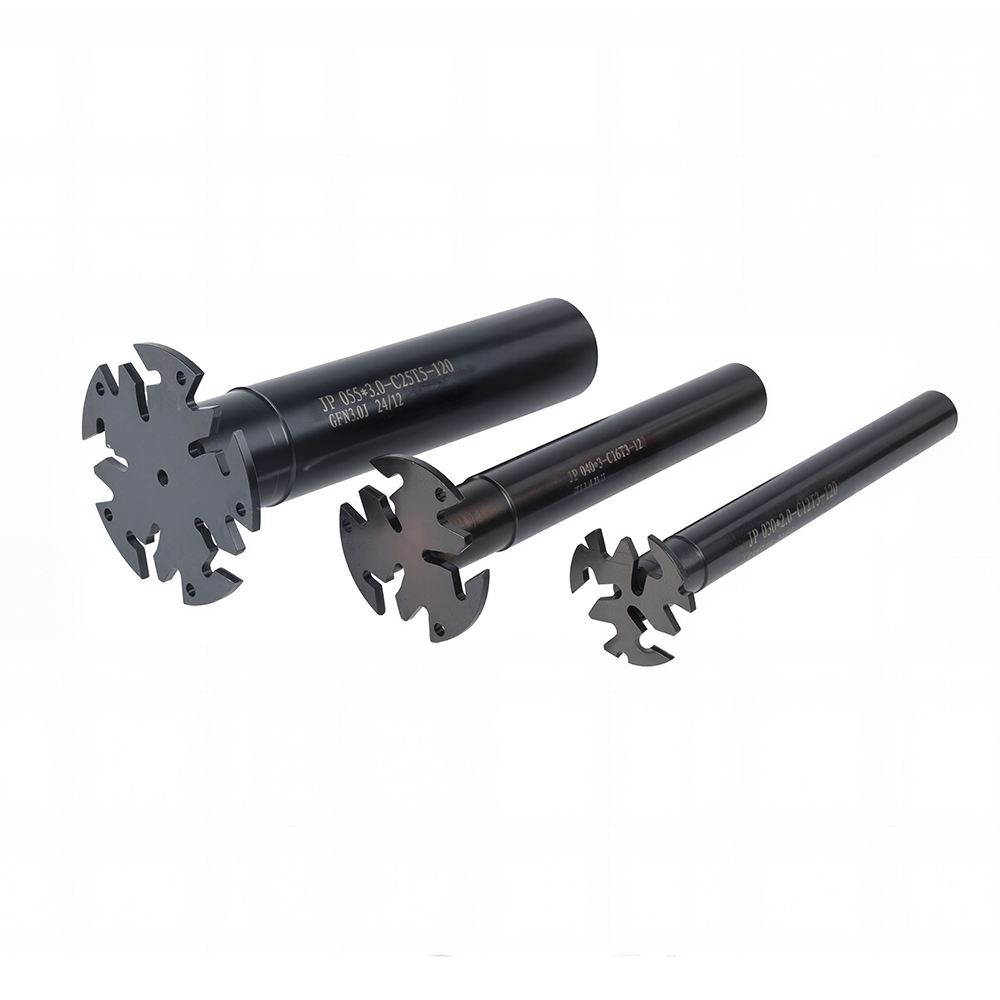
Choosing the right milling slot cutter is fundamental. High-performance tools with advanced coatings, such as TiAlN or AlCrN, and wear-resistant materials like solid carbide, can significantly extend tool life. Additionally, selecting tools designed for specific materials and slot depths ensures stability and accuracy during cutting.
2. Proper Cutting Parameters
Optimizing cutting speed, feed rate, and depth of cut can reduce tool wear and improve surface finish. Leveraging machine capabilities and using adaptive machining strategies, such as trochoidal milling for deep slots, can enhance efficiency while minimizing stress on the tool and workpiece.
3. Cooling and Lubrication Techniques
Effective heat management is key to preventing thermal deformation and extending tool life. Applying high-performance cutting fluids or internal coolant systems helps dissipate heat at the cutting edge, improving both precision and tool longevity.
4. Vibration Reduction and Rigidity Improvement
Increasing toolholder rigidity, ensuring secure workpiece fixturing, and optimizing tool overhang can reduce chatter. Advanced techniques like damped toolholders or vibration-absorbing fixtures can further stabilize the cutting process, leading to smoother surfaces and consistent dimensional accuracy.
5. Chip Management Strategies
Efficient chip evacuation is critical for maintaining cutting efficiency. Solutions include using tools with chip-breaking geometries, spiral flutes, or internal coolant channels. Automated chip removal systems or air blasts can also prevent chip accumulation in deep or narrow slots.
6. Regular Monitoring and Maintenance
Monitoring tool wear, spindle performance, and machine condition is essential for sustained high-efficiency milling. Implementing predictive maintenance strategies and data-driven process optimization helps reduce downtime and ensures consistent production quality.

Conclusion
High-efficiency milling slot processing is achievable by addressing the key technical challenges that impact tool life, heat management, vibration, chip evacuation, and precision. By selecting the right tools, optimizing cutting parameters, managing heat and chips, and maintaining equipment, manufacturers can enhance productivity, reduce operational costs, and achieve high-quality results. For companies in automotive, aerospace, mold-making, and precision manufacturing, adopting these best practices ensures stable and efficient milling slot operations, ultimately driving higher competitiveness and profitability.
Contact us: [email protected]