

In CNC machining, the performance of a tool holding system has a direct impact on machining accuracy, tool life, and process stability. While cutting tools and machine tools often receive the most attention, the chuck, which secures the cutting tool, plays an equally critical role in the overall machining system.
Unlike workholding chucks used for clamping workpieces, tool holding chucks are specifically designed to maintain concentricity, rigidity, and balance under high-speed rotation and heavy cutting loads. This article focuses exclusively on different types of chucks used in tool holding systems, providing a technical overview of their structures, clamping mechanisms, and performance characteristics in industrial CNC machining.
ER Collet Chuck
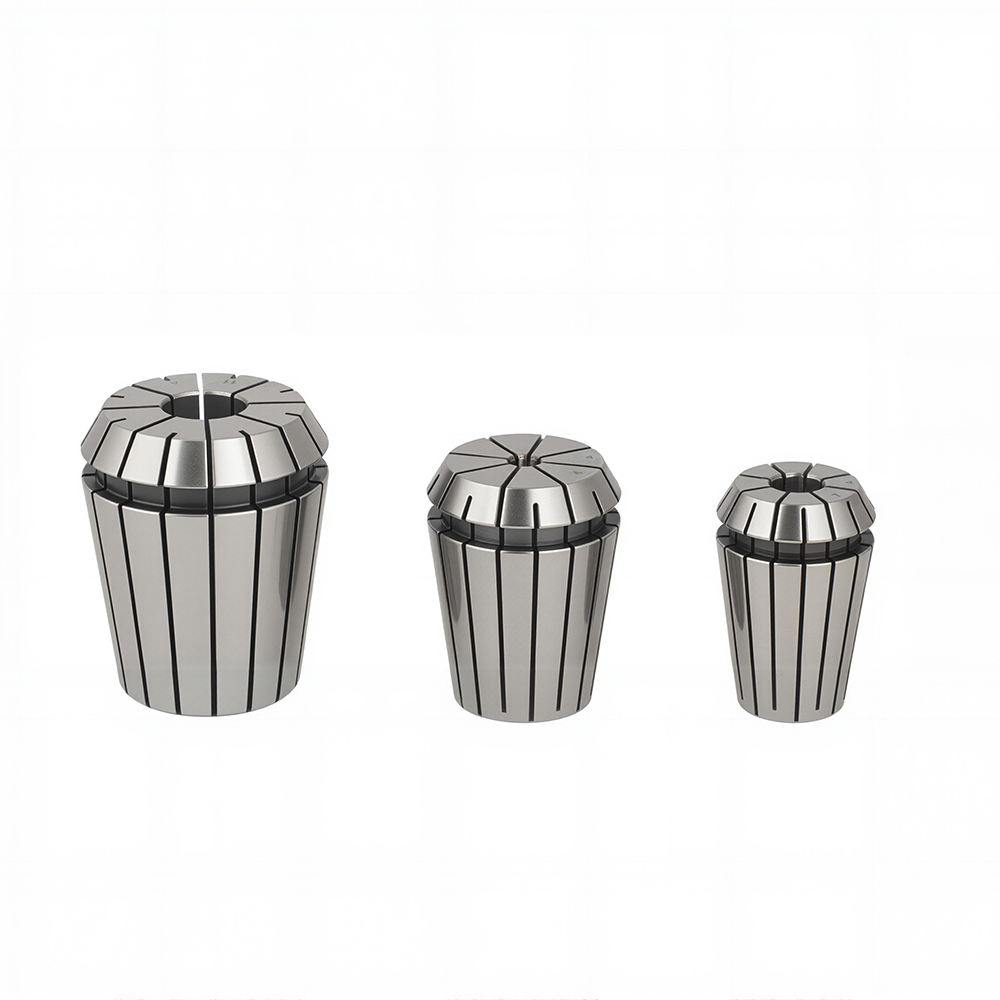
The ER collet chuck is one of the most commonly used tool holding solutions due to its standardized design and broad compatibility. Typical sizes include ER16, ER20, ER25, ER32, and ER40, making ER systems suitable for a wide range of tool diameters.
ER collet chucks use a split collet that contracts uniformly when tightened inside a tapered chuck body. This design allows the collet to grip the cylindrical shank of the cutting tool evenly around its circumference.
Technical characteristics:
- High concentricity and repeatable positioning
- Uniform radial clamping force
- Flexible tool diameter coverage within each collet size
Within a tool holding system, ER collet chucks are regarded as a versatile and cost-effective solution, widely used across drilling, milling, and light cutting operations.

Hydraulic Chuck
Hydraulic chucks are designed to deliver enhanced precision and vibration control through fluid-based clamping.
An internal hydraulic chamber generates uniform pressure around the tool shank when the chuck is tightened. This eliminates point contact and reduces tool deformation.
Technical characteristics:
- Excellent concentricity and low runout
- Superior vibration damping compared to mechanical systems
- Stable clamping performance during extended machining cycles
Hydraulic chucks are commonly used in finishing and semi-finishing operations where surface quality, dimensional accuracy, and process consistency are critical requirements.
Shrink Fit Chuck
Shrink-fit chucks are widely recognized for their high-precision performance in high-speed machining environments.
The chuck bore is heated to expand, allowing the cutting tool to be inserted. As the chuck cools, it contracts and grips the tool through a tight interference fit without any mechanical components.
Technical characteristics:
- Extremely high concentricity and minimal runout
- Slim, symmetrical design for improved balance
- Excellent suitability for high spindle speeds
Shrink-fit chucks are commonly used in high-speed and high-precision CNC machining, especially when machining hard materials or complex contours.
Side Lock Chuck
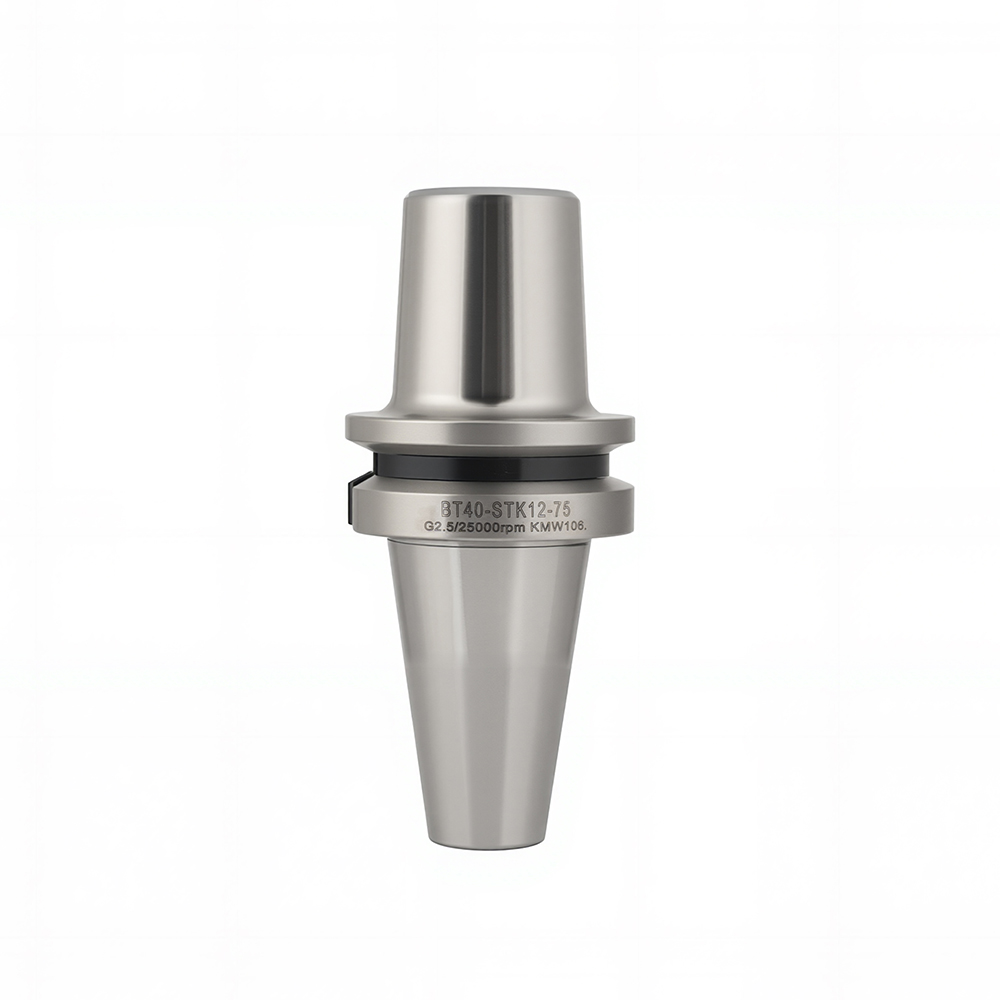
Side lock chucks, also known as set screw chucks, emphasize mechanical strength and tool security.
A side-mounted screw locks directly onto the flat section of a Weldon shank, preventing axial tool movement during heavy cutting.
Technical characteristics:
- High clamping force and torque transmission
- Simple and robust construction
- Reliable tool retention under aggressive cutting conditions
Side lock chucks are typically applied in roughing and heavy-duty machining where tool pull-out resistance is prioritized over ultra-high concentricity.
Milling Chuck
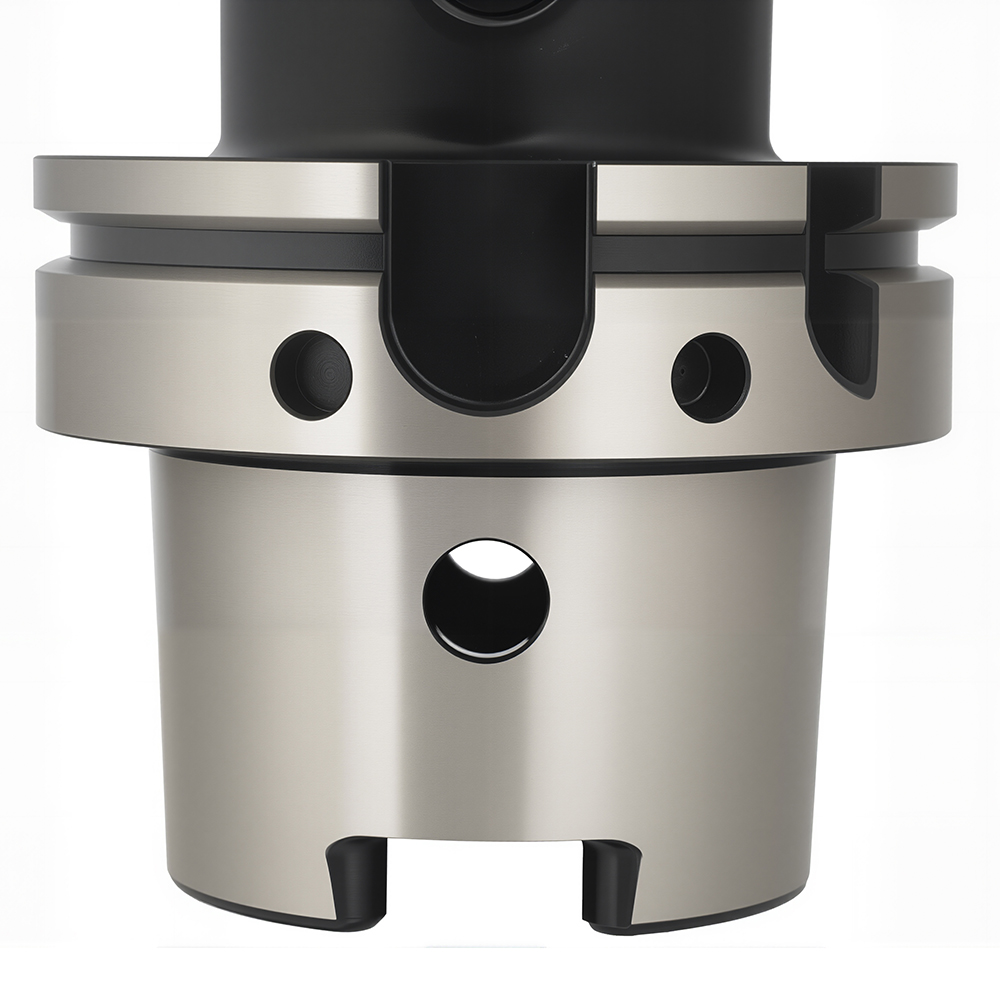
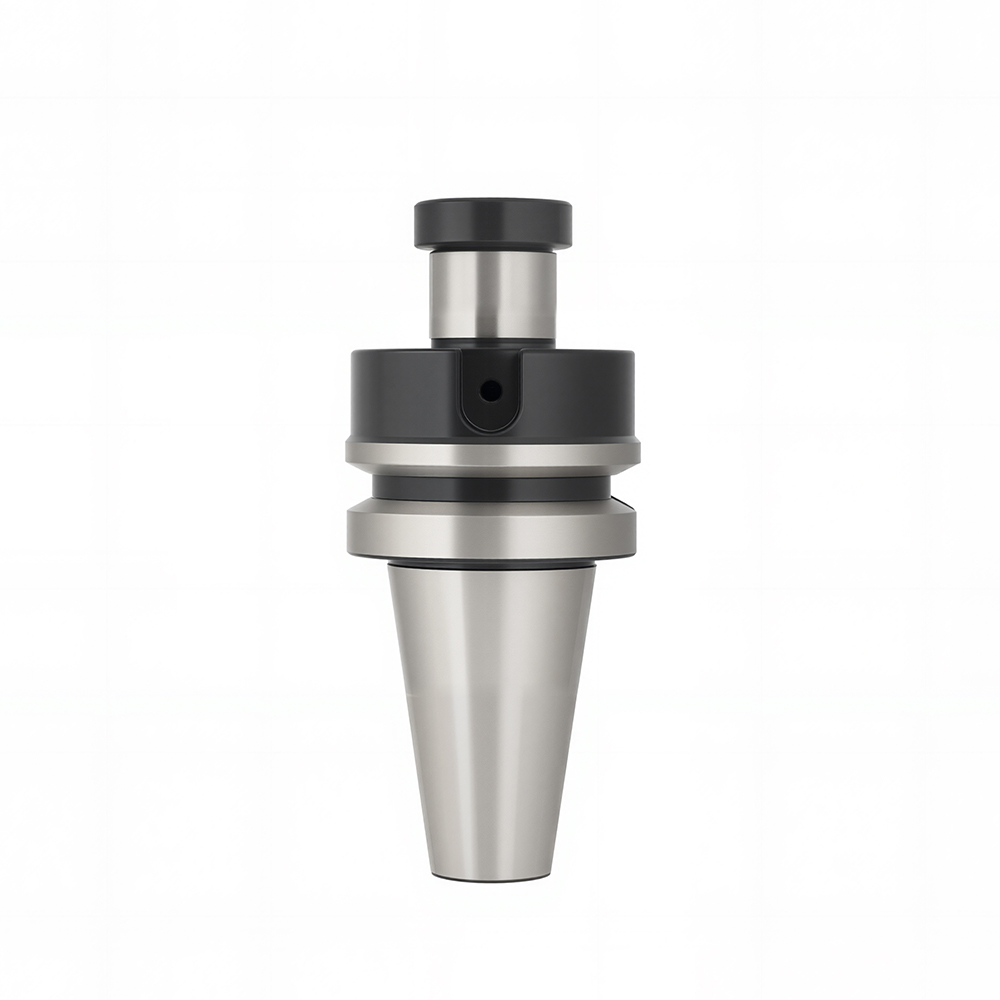
Milling chucks are engineered for applications requiring maximum rigidity and torque transmission.
A reinforced mechanical locking structure applies a strong radial clamping force, designed to withstand high cutting loads without tool slippage.
Technical characteristics:
- Extremely high rigidity
- Excellent torque capacity
- Stable performance under heavy material removal
Milling chucks are commonly used for rough milling and high-load machining operations where tool stability and cutting force resistance are essential.
Key Technical Differences Between Tool Holding Chuck Types
While all tool-holding chucks serve the same fundamental purpose, their technical differences define their role within a machining system.
| Chuck Type | Clamping Method | Concentricity | Rigidity | Vibration Control |
| ER Collet Chuck | Collet system | High | Medium | Medium |
| Hydraulic Chuck | Hydraulic pressure | High | Medium | High |
| Shrink Fit Chuck | Thermal interference fit | Very high | High | Medium |
| Side Lock Chuck | Mechanical screw locking | Medium | High | Low |
| Milling Chuck | Mechanical locking | Medium | Very high | Low |
Understanding these differences allows manufacturers to build a more stable and efficient tool-holding system based on machining requirements.
Conclusion
In CNC machining, the chuck is not merely a tool accessory but a core component of the tool-holding system. Each chuck type, including ER collet, hydraulic, shrink-fit, side-lock, and milling chucks, offers distinct structural and technical characteristics that determine its role within the machining process.
A clear understanding of these tool-holding chuck types helps manufacturers establish stable machining conditions, improve process reliability, and maintain consistent cutting performance across various applications.
Contact us: [email protected]