

Choosing the right tool holder can directly impact machining accuracy, tool life, surface finish, and overall production costs. Among the most commonly used systems are the Swallow Tail Tool Holder and the Hydraulic Tool Holder. While both provide secure clamping and repeatable results, their performance characteristics, applications, and advantages differ significantly. Understanding these differences is essential for manufacturers, mold makers, aerospace engineers, and automotive production teams seeking optimal machining solutions.
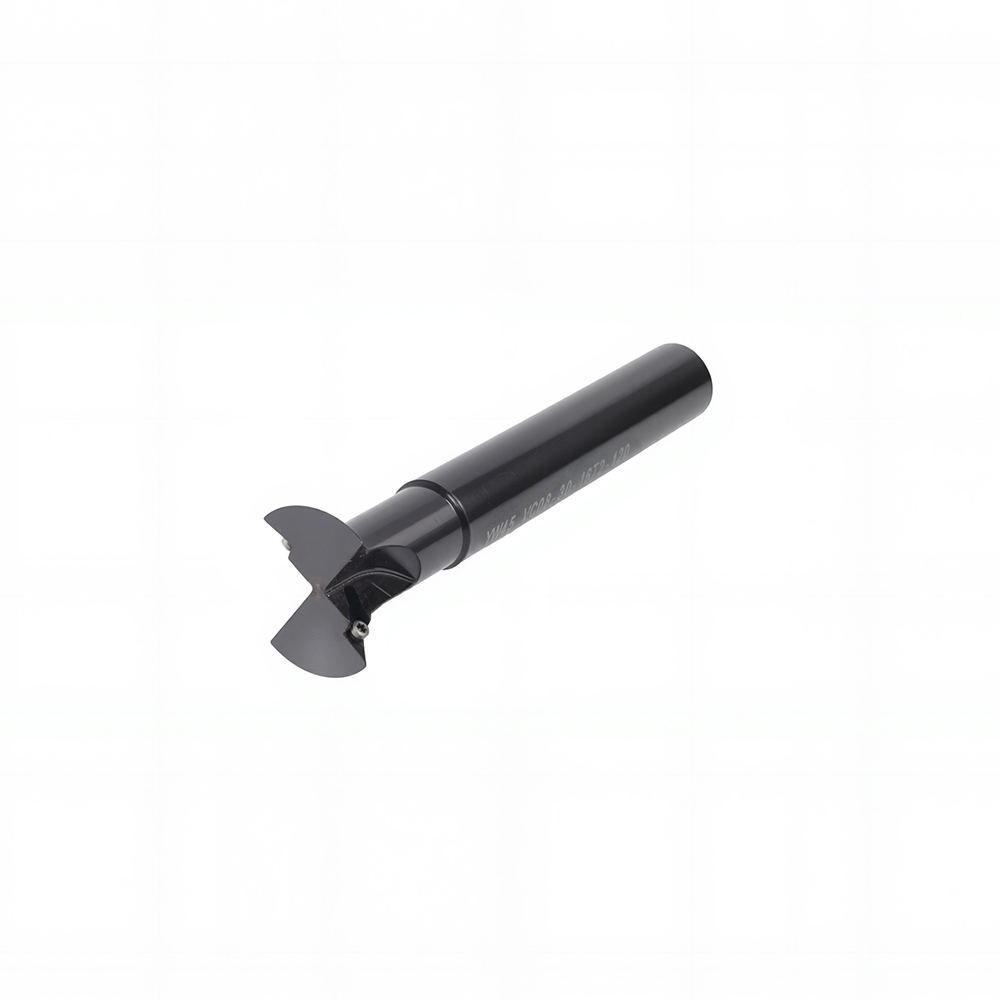
What Is a Swallow Tail Tool Holder?
Design and Structure
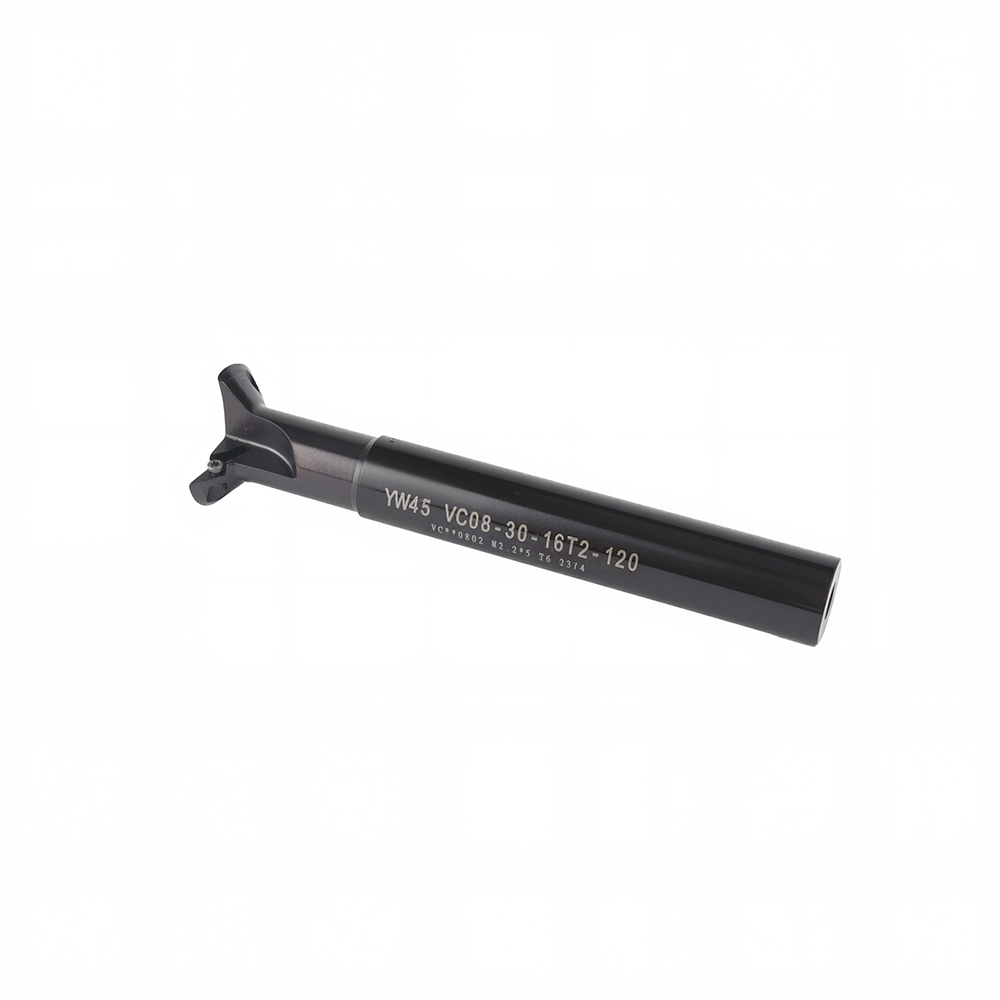
A Swallow Tail Tool Holder features a dovetail design that ensures:
- High rigidity, ideal for heavy-duty cutting operations
- Secure clamping, minimizing tool movement under load
- Reduced vibration, improving surface finish, and dimensional accuracy
- Long-term durability, suitable for repeated high-load applications
Its precise fit keeps the cutting tool stable, which is essential when machining complex parts or components with tight tolerances. The dovetail geometry also allows for effective transmission of cutting forces from the spindle to the tool, reducing the risk of deflection or misalignment.
Applications
Swallow Tail Tool Holders are particularly effective in industries where machining stability and precision are critical, including:
- Mold making: maintains cavity dimensions and reduces scrap
- Aerospace: handles high-strength alloys with minimal vibration
- Automotive: supports heavy-duty milling and finishing operations
- Precision engineering: ensures alignment and repeatability for small, complex parts
Key advantages
- Improved surface finish and reduced rework
- Extended tool life, lowering operational costs
- Stability during heavy cutting operations
- Reliability in high-precision, low-volume, or complex machining tasks
What Is a Hydraulic Tool Holder?
Design and Structure
Hydraulic Tool Holders use fluid pressure to apply uniform clamping around the tool shank. This design provides:
- Consistent grip and minimal tool runout
- High repeatability across multiple tool changes
- Quick setup, reducing downtime for batch production
- Compatibility with automated CNC systems and high-speed machining
By applying hydraulic pressure evenly, these holders minimize micro-vibrations, enhance surface quality, and maintain dimensional accuracy even during prolonged operations.
Applications
Hydraulic Tool Holders are widely adopted in:
- High-speed CNC machining for faster material removal rates
- Batch production, where frequent tool changes are required
- Automated machining centers, including robotic tool changers
- Precision component manufacturing for consistent quality
Key advantages
- Reduced machine downtime due to faster setup
- Consistent surface finish across multiple parts
- High efficiency in automated or high-volume operations
- Enhanced performance in automotive, aerospace, and electronics production
Swallow Tail vs Hydraulic Tool Holder: Key Differences
| Feature | Swallow Tail Tool Holder | Hydraulic Tool Holder |
| Clamping Force & Rigidity | High rigidity, excellent for heavy cutting | Uniform clamping, slightly lower rigidity |
| Precision & Repeatability | High accuracy, minimal tool deflection | High repeatability, low runout |
| Setup Time & Ease of Use | Manual alignment required, slower tool change | Fast tool change, automation-friendly |
| Applications | Mold making, aerospace, automotive precision parts | High-speed machining, batch production |
| Cost & Maintenance | Lower initial cost, durable, minimal maintenance | Higher cost, requires hydraulic fluid maintenance |
Decision Tip: Swallow Tail holders are best suited for operations where stability and precision are critical. Hydraulic holders are optimal for speed, automation, and high-volume production.
Which Tool Holder Is Better for Your Application?
Choosing the right tool holder depends on machining priorities and production goals:
Swallow Tail Tool Holder is ideal when:
- High precision and heavy-duty cutting are required
- Machining complex geometries or tight tolerances
- Minimizing vibration and tool deflection is critical
Hydraulic Tool Holder is ideal when:
- Fast tool changes and high-speed production are priorities
- Batch machining with frequent tool swaps is required
- Maintaining consistent repeatability and surface quality is critical
Some manufacturers adopt a hybrid approach, using:
- Swallow Tail holders for precision or heavy-duty parts
- Hydraulic holders for high-speed or automated production
This strategy allows manufacturers to maximize both accuracy and productivity, tailoring tool holder choice to each machining task.
Key Considerations for Buyers
When selecting between Swallow Tail and Hydraulic Tool Holders, consider:
- Machine compatibility: ensure the holder fits your CNC spindle
- Production volume: Hydraulic holders perform better for high-volume operations
- Material and cutting forces: Swallow Tail holders handle harder materials and heavy cuts
- Maintenance and cost: Swallow Tail holders are lower maintenance; hydraulic holders require fluid checks
- Long-term ROI: balance initial investment against productivity gains and tool life
Conclusion
Both Swallow Tail and Hydraulic Tool Holders provide reliable performance for CNC machining, but their suitability depends on the operation. Understanding differences in rigidity, precision, setup time, cost, and maintenance allows buyers to make informed decisions that optimize tool life, reduce waste, and improve machining efficiency.
Contact our team to determine the best tool holder solution for your CNC machining operations. Request a quote for Swallow Tail or Hydraulic Tool Holders to enhance both precision and productivity in your manufacturing process.
Contact us: [email protected]