

Introduction
In industrial machining, slot milling tools play a crucial role in achieving high-precision and efficient material removal. To maintain productivity, extend tool life, and improve overall product quality, manufacturers must optimize the cutting parameters of these tools. Improper settings can lead to excessive tool wear, reduced machining accuracy, and even downtime, which directly impact operational costs. This article will guide B2B manufacturers through the essential strategies to optimize cutting parameters for slot milling tools and maximize production performance.
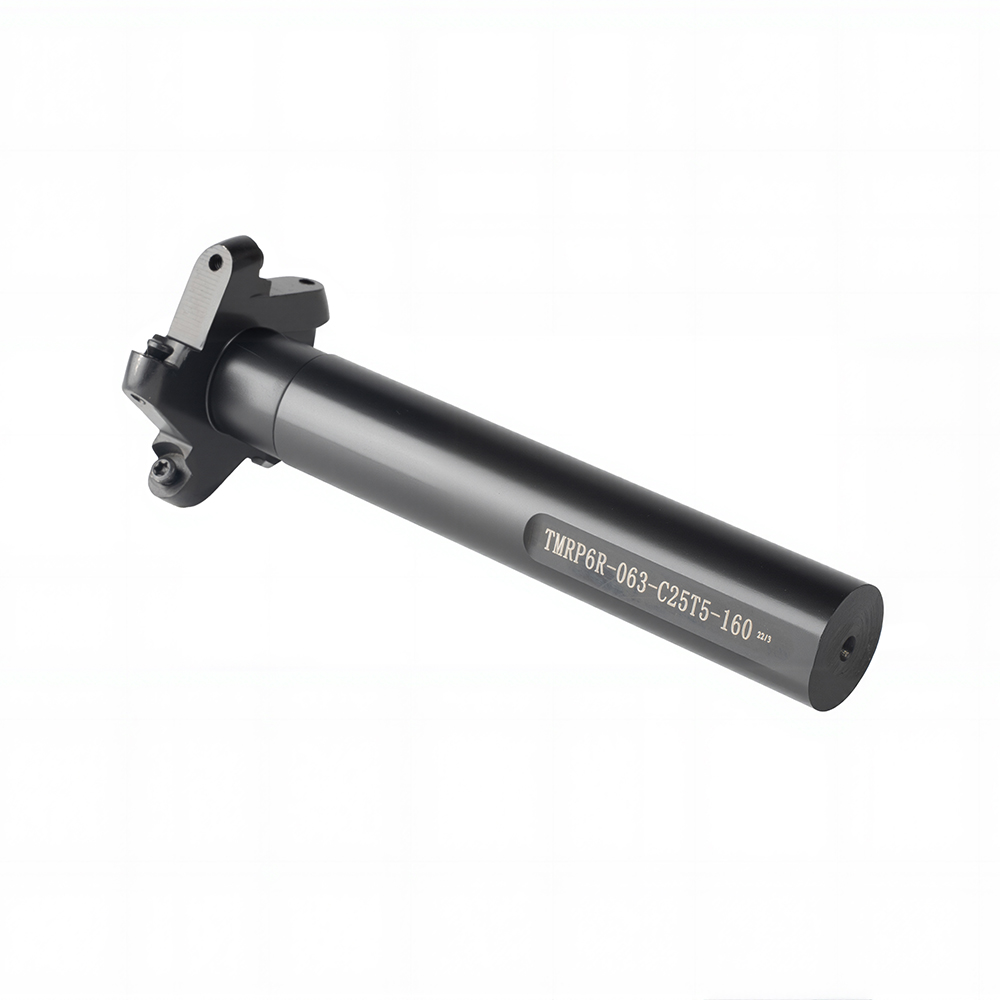
Understanding Slot Milling Cutting Parameters
Before optimizing cutting conditions, it is vital to understand the primary parameters involved in slot milling operations. The most critical cutting parameters include:
- Cutting Speed (Vc): The speed at which the cutting edge of the tool engages with the workpiece. Higher cutting speeds can increase productivity but may accelerate tool wear if not properly managed.
- Feed Rate (F): The rate at which the tool advances along the workpiece. A balanced feed rate ensures efficient material removal while minimizing deflection and surface imperfections.
- Depth of Cut (Ap): The vertical thickness of material removed in a single pass. Excessive depth can overload the tool, while too shallow cuts reduce efficiency.
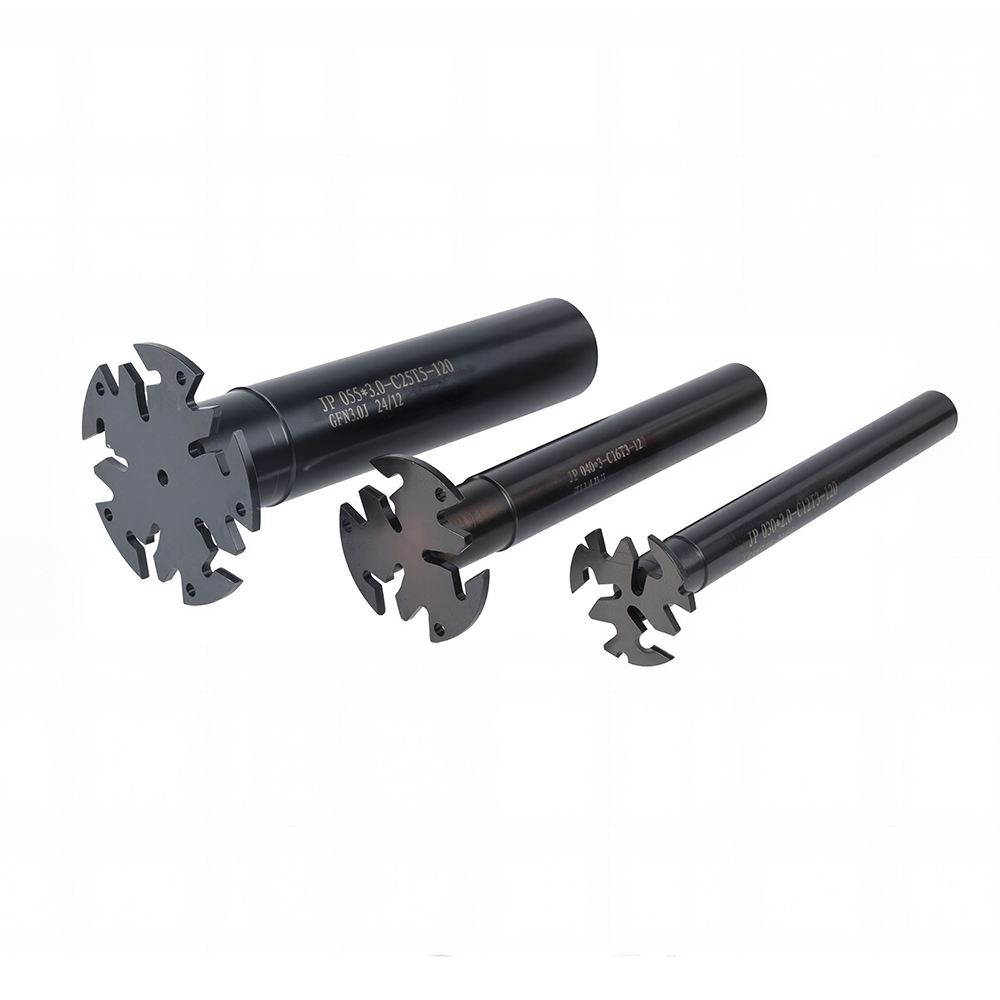
- Tool Geometry: The diameter, flute number, and edge radius of the slot milling tool influence cutting forces, vibration, and chip evacuation.
Understanding the interplay between these parameters is key to achieving both efficiency and precision.
Factors Affecting Optimal Cutting Parameters
Several factors influence the selection of optimal cutting parameters for slot milling tools:
- Material Type: Different materials, such as steel, aluminum, or titanium alloys, have distinct cutting characteristics. Harder materials often require lower cutting speeds but higher feed rates to maintain tool stability.
- Workpiece Hardness and Surface Requirements: High-strength components may demand more conservative cutting parameters to avoid excessive wear and maintain surface finish.
- Tool Material and Coating: Carbide tools, PVD-coated tools, or ceramic inserts can handle higher speeds and temperatures, allowing more aggressive cutting conditions.
- Machine Rigidity and Coolant Conditions: The rigidity of the machine and the type of coolant used influence vibration control, heat management, and chip evacuation, all of which affect parameter optimization.
Guidelines for Optimizing Cutting Parameters
Optimizing cutting parameters involves balancing efficiency, tool life, and part quality. Practical strategies include:
- Adjust Cutting Speed and Feed Rate: Select cutting speeds that maximize productivity without compromising tool life. Pair with appropriate feed rates to maintain surface quality and reduce vibration.
- Control Depth of Cut: Use moderate depth per pass to prevent tool overload. For deep slots, consider multi-pass cutting to gradually achieve the desired slot depth.
- Utilize Multi-Tool Strategies: Employ roughing and finishing tools separately. Roughing tools remove material efficiently, while finishing tools focus on surface precision.
- Leverage Simulation and Tool Life Analysis: Advanced CAM software can simulate cutting conditions and predict tool wear, helping manufacturers make informed parameter adjustments before actual machining.
By systematically applying these guidelines, manufacturers can enhance both productivity and machining quality.
Practical Tips for Industry Applications
Different industries may require tailored approaches to parameter optimization:
- Automotive Component Machining: Slotting operations on high-strength steel can benefit from lower cutting speeds combined with higher feed per tooth to maintain productivity while controlling tool wear.
- Aerospace Material Processing: Titanium alloys require precise control of cutting speed, feed rate, and coolant flow to minimize heat generation and prevent tool chipping.
- Mold and Die Production: For precision molds, finishing passes with shallow depth and controlled feed rates ensure high surface quality and dimensional accuracy.
Adapting cutting parameters to specific industry requirements ensures both efficiency and product reliability.
Benefits of Optimized Cutting Parameters
Optimizing the cutting parameters of slot milling tools delivers tangible benefits for manufacturers:
- Enhanced Productivity: Efficient material removal reduces cycle times and increases throughput.
- Extended Tool Life: Properly balanced cutting conditions minimize wear, reducing tool replacement costs.
- Improved Surface Quality and Accuracy: Correct feed and speed settings reduce chatter and produce smoother surfaces.
- Reduced Equipment and Workpiece Damage: Controlled cutting forces lower the risk of machine and workpiece defects.
Overall, a well-optimized slot milling operation contributes to a more competitive manufacturing process.
Conclusion
By optimizing cutting parameters for slot milling tools, manufacturers can significantly improve efficiency, reduce costs, and enhance overall quality. By understanding key parameters, considering material and tool properties, and applying best practices such as controlled depth of cut and simulation analysis, manufacturers can maximize the performance of their slot milling tools. Investing time in parameter optimization ultimately leads to higher productivity, longer tool life, and consistent, high-quality parts.
Contact us: [email protected]