

Introduction
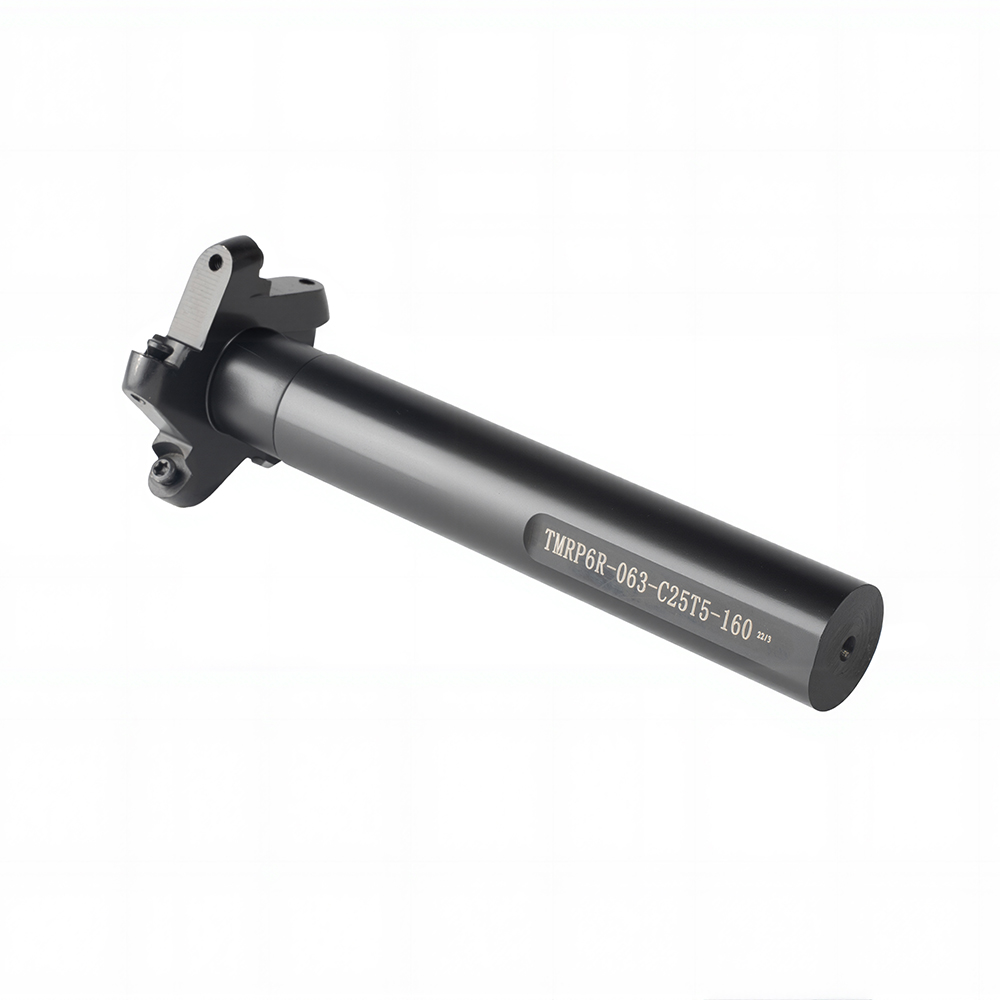
In modern manufacturing, precision, efficiency, and reliability are critical to maintaining a competitive edge. Milling slot tools play a vital role in achieving these goals by providing consistent cutting performance, superior accuracy, and extended tool life. For manufacturers, selecting the right milling slot tool can significantly impact productivity, reduce operational costs, and improve overall product quality. This article explores the applications of milling slot tools across key industries and highlights how businesses can optimize their operations through strategic tool selection.

Milling Slot Tools in Automotive Manufacturing
The automotive industry often requires machining high-strength materials such as steel and aluminum alloys. Milling slot tools are widely used for engine components, chassis structures, and die-cast parts, where precision and reliability are essential.
Applications and Advantages:
- Engine blocks and cylinder heads: Milling slot tools provide accurate grooves and channels, improving airflow and engine performance.
- Chassis and suspension components: High-strength steels demand tools with superior rigidity to reduce vibration and ensure dimensional accuracy.
- Die-cast molds: Aluminum alloy molds benefit from fast, precise machining, reducing cycle time.
Optimization Tips:
- Select tools with high wear-resistant coatings to extend life under high-volume production.
- Use proper cutting parameters, such as feed rate and spindle speed, to minimize tool deflection.
- Implement periodic tool inspections to prevent unexpected downtime.
By adopting milling slot tools tailored to automotive requirements, manufacturers can achieve higher precision, reduce scrap, and maintain consistent production schedules.
Milling Slot Tools in Aerospace Applications
Aerospace manufacturing involves machining hard-to-cut materials like titanium and nickel-based alloys. These materials generate high temperatures during cutting, requiring tools that can withstand heat and maintain sharpness for prolonged periods.
Applications and Advantages:
- Aircraft structural components: Milling slot tools ensure tight tolerances in wing spars, fuselage frames, and bulkheads.
- Engine turbine blades: Precision grooves are critical for aerodynamic efficiency and performance.
- Landing gear components: High-strength alloys demand tools with exceptional rigidity and wear resistance.
Optimization Tips:
- Use coatings such as TiAlN or AlCrN to enhance heat resistance and prolong tool life.
- Apply optimized feed and speed rates to maintain surface finish and prevent micro-cracks.
- Consider multi-flute designs for smoother cuts and reduced vibration.
Milling slot tools in aerospace not only meet demanding standards but also help reduce downtime and improve production efficiency in complex, high-value components.
Milling Slot Tools in Mold Manufacturing
Mold making involves machining hardened steels and producing intricate geometries. Milling slot tools are essential for injection molds, die-cast molds, and stamping dies, where precision and repeatability are critical.
Applications and Advantages:
- Injection molds: Precise grooves and channels for plastic flow improve product quality.
- Die-cast molds: Tool stability ensures dimensional accuracy and reduces scrap.
- Stamping dies: Milling slot tools enable efficient machining of complex shapes with consistent quality.
Optimization Tips:
- Use high-rigidity tool holders to minimize deflection in hardened steels.
- Adjust cutting depth and feed rate to balance efficiency and tool life.
- Consider coated carbide tools for increased wear resistance and smoother finishes.
By optimizing tool choice and machining parameters, mold manufacturers can enhance productivity, maintain consistent tolerances, and reduce overall costs.
Milling Slot Tools in Electronics and Precision Manufacturing
Electronics and precision manufacturing often involve soft metals such as copper, aluminum, and PCB substrates. Milling slot tools excel in creating intricate components with high dimensional accuracy and surface finish.
Applications and Advantages:
- Electronic housings and enclosures: Precision grooves improve assembly fit and heat dissipation.
- Heat sinks and cooling components: Accurate slotting enhances thermal performance.
- Precision mechanical parts: High repeatability ensures consistent quality for sensitive devices.
Optimization Tips:
- Use tools with low-vibration designs to prevent burrs and maintain smooth surfaces.
- Optimize spindle speed and feed rate for thin or fragile materials to avoid deformation.
- Implement regular tool inspections to maintain consistent performance in small-scale production.
Milling slot tools provide the reliability and accuracy necessary for precision industries, ensuring product functionality and minimizing waste.
Choosing the Right Milling Slot Tool for Your Industry
Selecting the appropriate milling slot tool requires careful consideration of material type, machining precision, production volume, and operational conditions.
Key Considerations:
- Tool material and coating: Match tool hardness and coating to material toughness and heat generation.
- Geometry and tip design: Choose flute count and cutting angles to suit specific machining tasks.
- Optimized cutting parameters: Proper feed rate, spindle speed, and depth of cut enhance efficiency and tool life.
Aligning tool selection with industry-specific requirements allows manufacturers to maximize productivity, extend tool lifespan, and control operational costs effectively.

Conclusion
Milling slot tools are indispensable across multiple industries. Their versatility, precision, and efficiency make them a strategic investment for manufacturers. By understanding industry-specific applications, optimizing cutting parameters, and selecting the right tools, businesses can improve machining performance, maintain high product quality, and reduce costs.
Contact us: [email protected]