

Introduction
Efficiency, accuracy, and consistency are important factors that influence productivity in contemporary industrial machining. One tool category that has proven indispensable across multiple industries is the Milling Slot Series. These specialized cutting tools play a critical role in producing high-quality slots, grooves, and complex geometries in a variety of materials. From automotive components to aerospace parts and mold-making, Milling Slot tools are central to meeting stringent manufacturing requirements. This article provides a comprehensive overview of the Milling Slot Series, its features, applications, and advantages.
What is a Milling Slot Series?
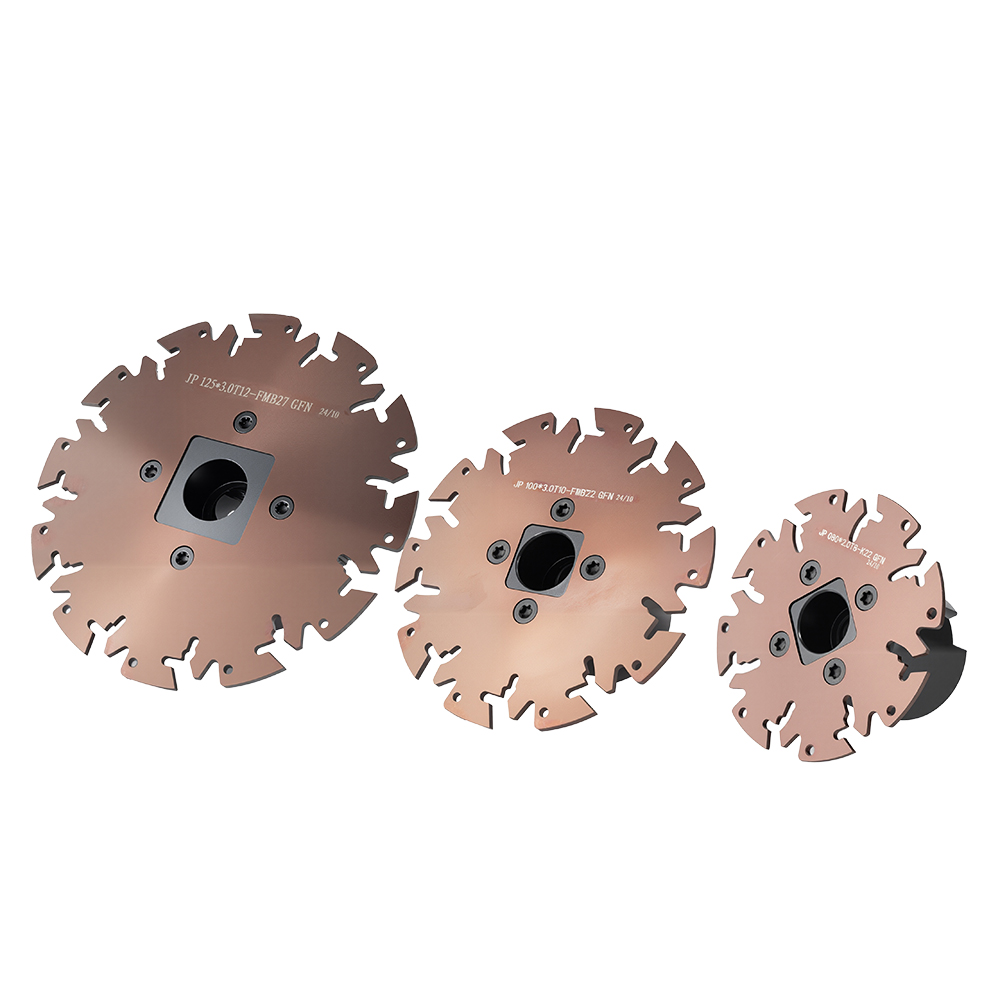
The Milling Slot Series refers to a range of cutting tools designed specifically for slotting operations. These tools include end mills, slot mills, and T-slot cutters, among others. Each tool is engineered to create precise channels, grooves, or cavities in workpieces, maintaining tight tolerances and surface quality.
End mills, for instance, are versatile for both slotting and side milling, while T-slot cutters are ideal for specialized profiles, such as machine tool tables or fixture slots. Understanding the core types and their capabilities helps manufacturers optimize production processes for accuracy and efficiency.


Core Features of Milling Slot Series
The performance of Milling Slot tools depends on several critical features:
- Material Compatibility: Milling Slot tools are designed to handle a wide variety of materials, from aluminum and mild steel to high-strength alloys and titanium. High-quality tool materials, such as solid carbide or coated HSS, ensure consistent cutting performance even under demanding conditions.
- Design and Geometry: The geometry of a slotting tool—including flute number, helix angle, and corner radius—directly affects cutting efficiency, chip evacuation, and surface finish. Advanced designs optimize heat dissipation and reduce tool deflection, improving precision in slot milling operations.
- Coatings and Surface Treatments: Coatings such as TiAlN, TiCN, or DLC enhance tool hardness, reduce friction, and increase wear resistance. Surface treatments not only extend tool life but also enable faster cutting speeds, which is essential for industrial-scale operations.
Applications Across Industries
Milling Slot Series tools are widely used in industries that demand high precision and productivity:
- Automotive: Slot milling is essential for producing engine components, gear slots, and lightweight structural parts. The series allows for high-speed machining while maintaining tight tolerances.
- Aerospace: Aerospace manufacturing often involves titanium and superalloys. Milling Slot tools facilitate the creation of precise channels and grooves required for structural components and assemblies.
- Mold & Die Manufacturing: Complex molds require exact slot geometries and smooth surfaces. The precision and variety of Milling Slot tools make them ideal for producing high-quality dies and molds efficiently.
By adapting the tools to different materials and machining environments, manufacturers can meet diverse production requirements with minimal downtime and scrap.
Advantages of Using Milling Slot Series
Incorporating the Milling Slot Series into industrial operations offers several key benefits:
- Enhanced Productivity: Efficient chip removal and stable cutting performance reduce cycle times, increasing throughput.
- Precision and Quality: Carefully engineered geometries and coatings ensure high accuracy and superior surface finishes.
- Durability and Cost Efficiency: Longer tool life reduces replacement costs, while optimized designs minimize tool wear, lowering overall operational expenses.
- Versatility: The range of tools within the series accommodates multiple materials, slot shapes, and machining setups, offering flexibility in production planning.
Emerging Trends in Milling Slot Tools
The Milling Slot Series continues to evolve with industry demands:
- Tool Design Innovations: Advanced flute geometries, variable helix angles, and high-performance coatings improve cutting performance and reduce vibration.
- Automation and Smart Manufacturing: Integration with CNC systems and real-time monitoring enables adaptive machining, predictive maintenance, and consistent quality.
- Market Trends: Growing demand for lightweight materials, electric vehicles, and precision components drives continuous innovation in Milling Slot tool design.
Manufacturers adopting these trends gain a competitive edge by improving efficiency, reducing costs, and maintaining high-quality standards.
Conclusion
The Milling Slot Series is more than a set of cutting tools—it is a strategic asset for modern industrial machining. By offering precision, versatility, and durability, these tools support a wide range of applications across automotive, aerospace, and mold-making industries. Understanding the features and benefits of Milling Slot tools is essential to optimizing production, maintaining quality standards, and achieving operational efficiency. As technology advances, investing in the right Milling Slot Series tools ensures that manufacturers remain competitive and ready to meet the challenges of modern manufacturing.
Contact us: [email protected]