

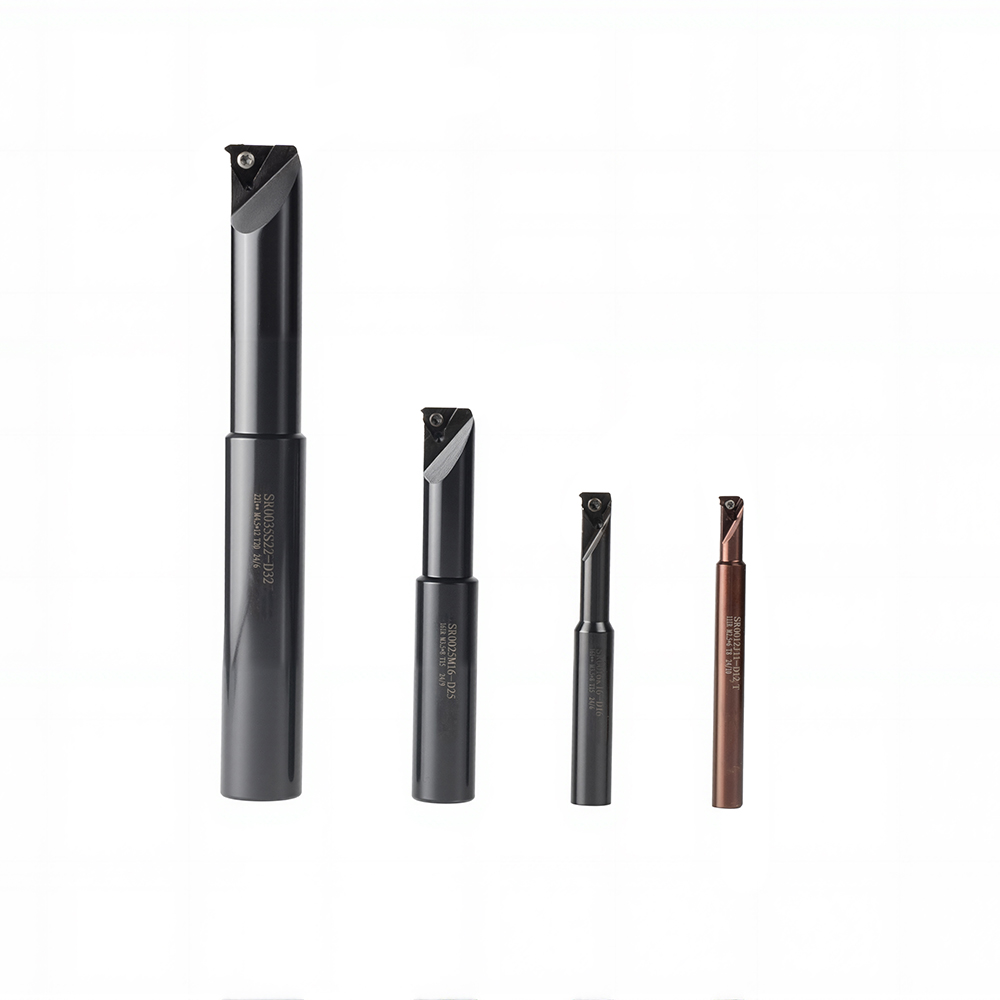
A right milling cutter holder is essential to ensuring machining accuracy and production efficiency. However, even the best holders can face common issues that impact machining results, equipment life, and operational efficiency. This blog will explore some of the most frequent problems encountered with milling cutter holders and provide practical solutions to help businesses optimize their toolholding systems, boosting overall productivity.

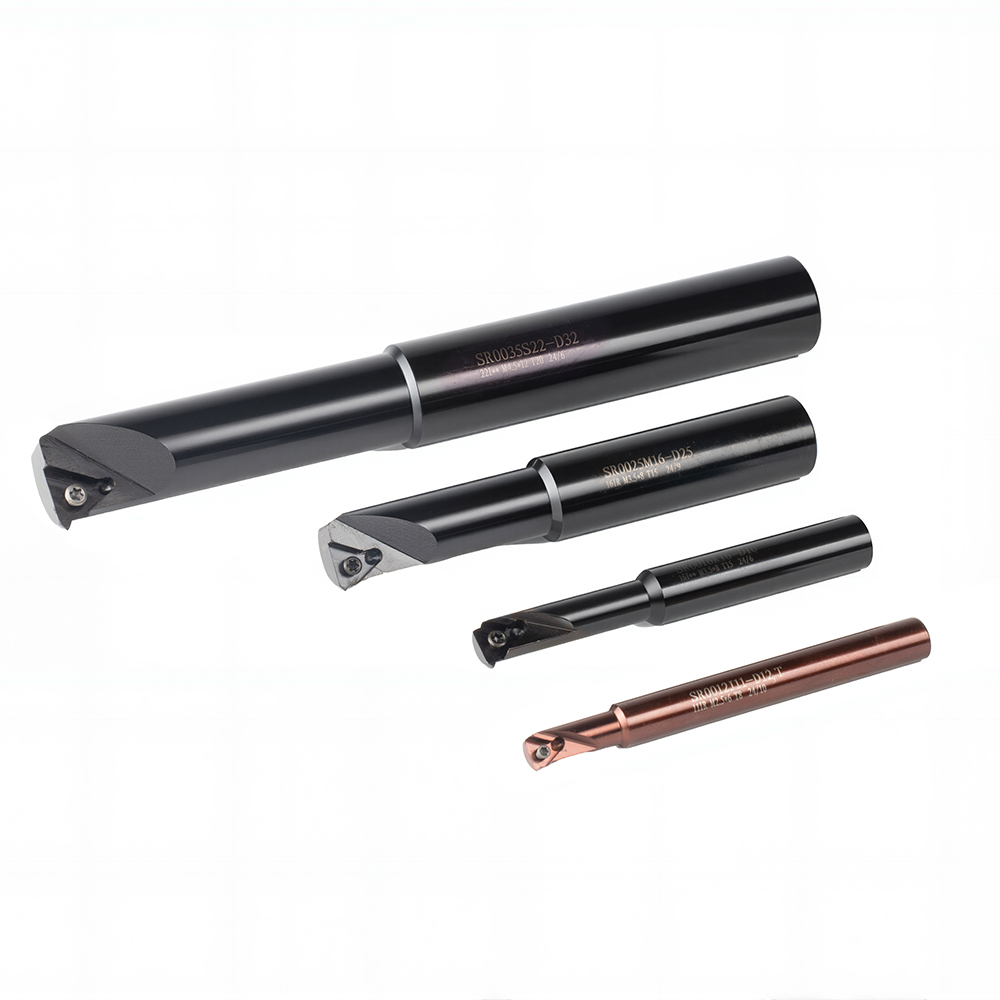
1. Insufficient Clamping Force Leading to Tool Slippage
One of the most common issues is tool slippage during machining. This can result in decreased machining precision and, in some cases, tool detachment. Insufficient clamping force is often caused by an incompatible holder or wear and tear that weakens the clamping mechanism.
Solution:
- Choose the Right Milling Cutter Holder: Ensure that the milling cutter holder matches the tool specifications precisely to avoid excessive or insufficient clamping force.
- Check for Wear and Tear: Regularly inspect the toolholder and the tool for signs of wear. Replace worn-out parts immediately to maintain optimal performance.
- Use High-Quality Holders: Opt for toolholders made from high-quality materials like carbide or high-strength steel for better clamping stability.
- Use Collet Holders (e.g., ER Holders): ER-type holders offer a strong clamping force, making them suitable for high-speed and precise machining operations.
2. Tool Vibration Affecting Machining Precision
Tool vibration is a common issue in many machining processes, especially during high-speed cutting. Vibrations can negatively affect machining precision and accelerate tool wear, leading to premature tool failure.
Solution:
- Use Rigid Tool Holders: Choose holders with high rigidity, such as HSK or Shrink Fit holders, which help reduce vibration and maintain tool stability during high-speed cutting.
- Optimize Cutting Parameters: Adjust cutting speeds, feed rates, and depth of cut to avoid excessive vibration during machining.
- Use Anti-Vibration Tool Holders: Consider using holders specifically designed to reduce vibration, such as those with built-in damping systems or specialized anti-vibration structures.
3. Incompatibility Between Tool Holders and Machines
Milling cutter holders may not always be compatible with the machine’s spindle interface. For example, machines may use different interfaces such as BT, CAT, or HSK, leading to difficulties in installation and potential misalignment.
Solution:
- Verify Machine Compatibility: Always check the machine’s spindle interface type (e.g., BT, CAT, HSK) before selecting a tool holder to ensure they match.
- Use Adapters: If there’s a mismatch, consider using adapters that allow different types of holders to fit the machine.
- Regularly Inspect the Interface: Check the condition of both the toolholder and machine interface, replacing any worn components to maintain proper alignment.
4. Corrosion or Wear on the Tool Holder Surface
In humid or corrosive environments, toolholders can suffer from surface corrosion, which affects their accuracy and stability. Additionally, prolonged use may lead to surface wear, compromising the toolholder’s ability to properly secure the tool.
Solution:
- Choose Corrosion-Resistant Materials: Opt for toolholders made of corrosion-resistant materials, especially in wet or chemically aggressive environments.
- Regular Cleaning and Maintenance: Keep toolholders clean by removing debris, cutting fluids, and metal chips that may cause corrosion over time.
- Surface Coating: Use surface treatments such as coatings or hardening to enhance the toolholder’s resistance to corrosion and wear.
5. Frequent Tool Holder Replacement Increases Production Costs
Some businesses experience frequent toolholder failures or need to replace toolholders often, leading to increased production downtime and higher operational costs. This issue is usually linked to poor-quality toolholders, harsh operating conditions, or inadequate maintenance.
Solution:
- Invest in High-Quality Holders: Opting for high-quality toolholders can reduce the frequency of replacements, offering better performance and longer service life.
- Regular Maintenance and Inspection: Implement a regular maintenance and inspection schedule to identify wear and address problems before they lead to failure.
- Optimize Production Processes: By fine-tuning cutting conditions, toolholders and tools are subject to less strain, leading to longer tool life and fewer replacements.
6. Tool Holder Precision Affects Machining Accuracy
The precision of the toolholder directly influences the tool’s positioning, which in turn affects the machining accuracy. If the holder is imprecise or damaged, it can cause deviations in machining, resulting in poor-quality parts.
Solution:
- Choose High-Precision Tool Holders: Always opt for toolholders that are manufactured to high precision, with tight tolerances, to ensure accurate tool positioning.
- Ensure Proper Installation and Alignment: Install toolholders with care, ensuring they are properly aligned with the machine spindle to minimize errors during machining.
- Use Automatic Toolholder Checking Systems: Consider incorporating automatic precision checking and calibration systems to maintain toolholder alignment throughout the machining process.
7. Overloading the Tool Holder Leads to Damage
In high-load machining operations, toolholders may be subjected to excessive force, causing deformation, damage, or failure. This usually happens when the cutting forces exceed the holder’s design limits.
Solution:
- Use High-Rigidity Holders: In high-load applications, select toolholders designed to handle higher forces, such as HSK or Shrink Fit holders, which offer superior strength and stability.
- Balance Cutting Forces: Reduce cutting forces by optimizing cutting parameters, including feed rates and toolpaths.
- Check Toolholder and Tool Compatibility: Ensure the holder is properly matched to the tool and the cutting conditions to avoid overloading.
Conclusion
Milling cutter holders play a critical role in the overall CNC machining process. By understanding the common issues and applying the appropriate solutions, businesses can improve machining efficiency, reduce costs, and enhance product quality. Regular maintenance, careful selection, and timely upgrades of toolholders will ensure longer tool life, fewer downtimes, and higher precision. Keeping these best practices in mind will enable manufacturers to maximize their investment in toolholding systems and stay competitive in the fast-paced manufacturing environment.
Contact us: [email protected]