

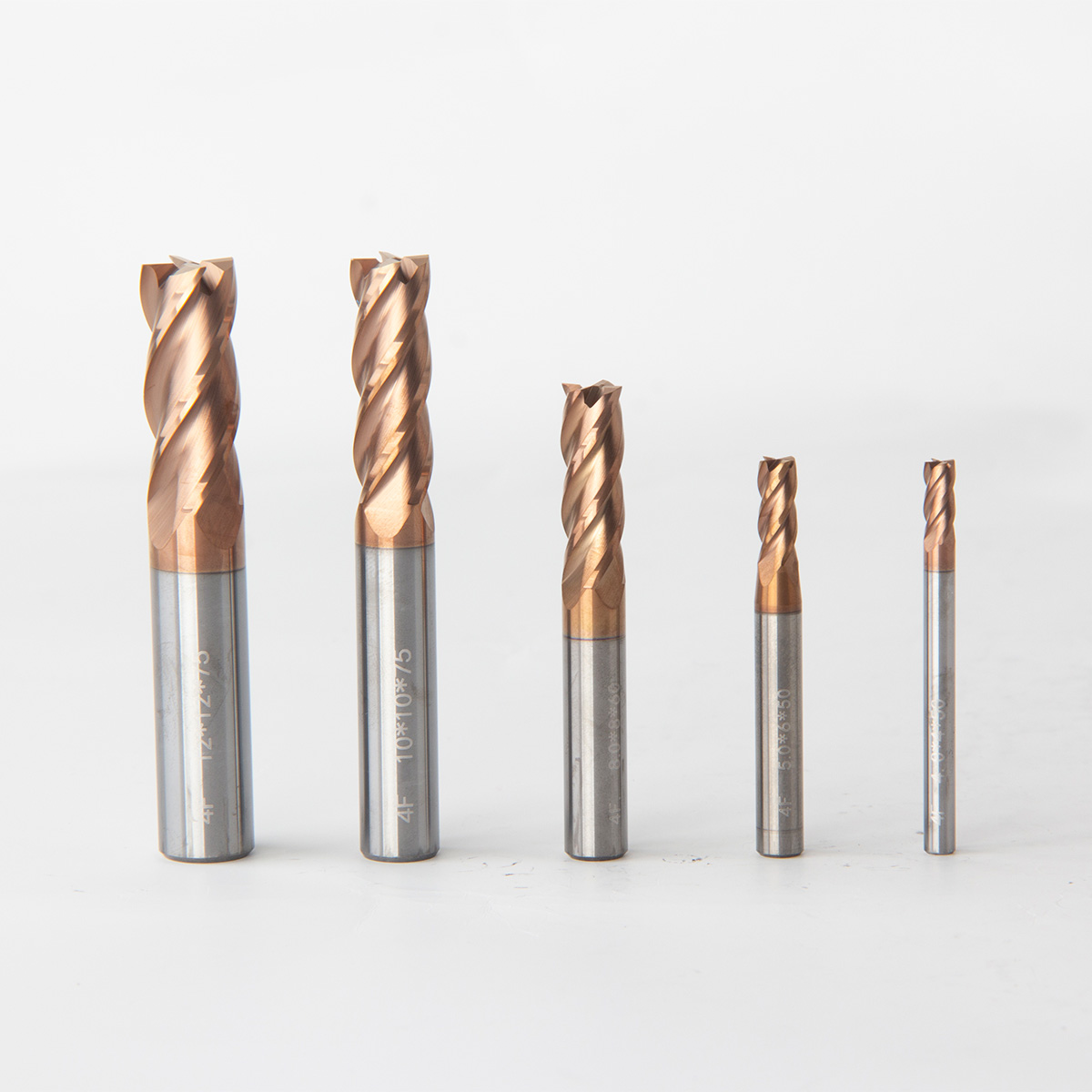
Choosing the right cutting tool is crucial in precision machining, as it directly impacts the quality, efficiency, and cost-effectiveness of your operations. End mills are some of the most commonly used tools in CNC machining, and choosing the right one can significantly impact your production line’s performance. In this guide, we’ll break down the key factors to consider when selecting an end mill for your business needs.
1. Understanding Your Material Needs
The material being machined plays a crucial role in choosing the right end mill. Each material, from metals to plastics to composites, requires different cutting properties. For example:
- Steel and Stainless Steel: Tougher materials like steel and stainless steel require durable end mills, often made of carbide or high-speed steel (HSS). Carbide end mills are ideal for these materials due to their hardness and resistance to wear.
- Aluminum and Non-ferrous Metals: For softer metals, end mills with coatings that reduce friction and heat buildup (like TiN or AlTiN coatings) are recommended.
- Composites: If you’re machining materials like carbon fiber, specialized end mills with a diamond coating are preferred to avoid tool wear and improve surface finishes.
Make sure you select an end mill that is compatible with the material you are working with, as this will improve tool life and the quality of your parts.
2. Consider the Type of Machining Operation
The machining operation you are performing will also dictate the type of end mill required. Common types of end mill operations include:
- Face Milling: For surface cutting, a flat end mill or face mill is ideal.
- Slotting or Grooving: For cutting slots or grooves, a square-end mill is preferred.
- Contour Milling: If you are working with curved surfaces or complex shapes, a ball-end mill is a better choice, as its round profile allows for smoother cuts.
Each type of milling operation has different requirements, so make sure to match the tool geometry with your machining needs.
3. The Importance of Coatings
End mills come with a range of coatings, each designed to improve specific performance attributes such as wear resistance, heat resistance, and corrosion resistance. Common coatings include:
- TiN (Titanium Nitride): Ideal for general-purpose milling of aluminum and steel, TiN coatings provide excellent wear resistance and longer tool life.
- TiAlN (Titanium Aluminum Nitride): This coating is ideal for high-temperature operations, making it perfect for stainless steel and other heat-sensitive materials.
- AlTiN (Aluminum Titanium Nitride): Used primarily for high-speed cutting operations, this coating improves tool life and performance in demanding applications.
Choosing the right coating for your material and application will enhance both tool life and cutting performance, reducing downtime and ensuring a smoother operation.
4. Selecting the Right Tool Diameter and Length
The diameter and length of the end mill are important factors that influence both the machining process and the quality of the finished part.
- Diameter: The diameter of the end mill should be chosen based on the size of the cut you need to make. For example, larger diameters are ideal for heavy-duty cutting, while smaller diameters are used for precision operations or tight spaces.
- Length: Ensure the tool length is suitable for the depth of the cut you are working on. Longer tools can lead to instability and vibration, reducing precision. Shorter tools provide more rigidity but may not reach deep areas of the part.
Choosing the correct diameter and length is essential for both operational stability and the accuracy of your machined parts.
5. Cutting Parameters: Feed Rate and Cutting Speed
Optimizing your cutting parameters, such as feed rate and cutting speed, can significantly impact both tool life and the quality of the machined part. Here are a few things to consider:
- Feed Rate: The feed rate should be adjusted based on the material hardness and the tool’s geometry. For tougher materials, a slower feed rate might be necessary to avoid tool wear and ensure accuracy.
- Cutting Speed: Cutting speed refers to the rate at which the tool moves through the material. It is critical to adjust the cutting speed based on the material and tool used. Higher speeds are typically used for softer materials, while lower speeds are required for harder materials to prevent heat buildup and tool failure.
By optimizing these parameters, you can maximize tool performance and minimize wear and tear.
6. Choosing the Right End Mill Shape
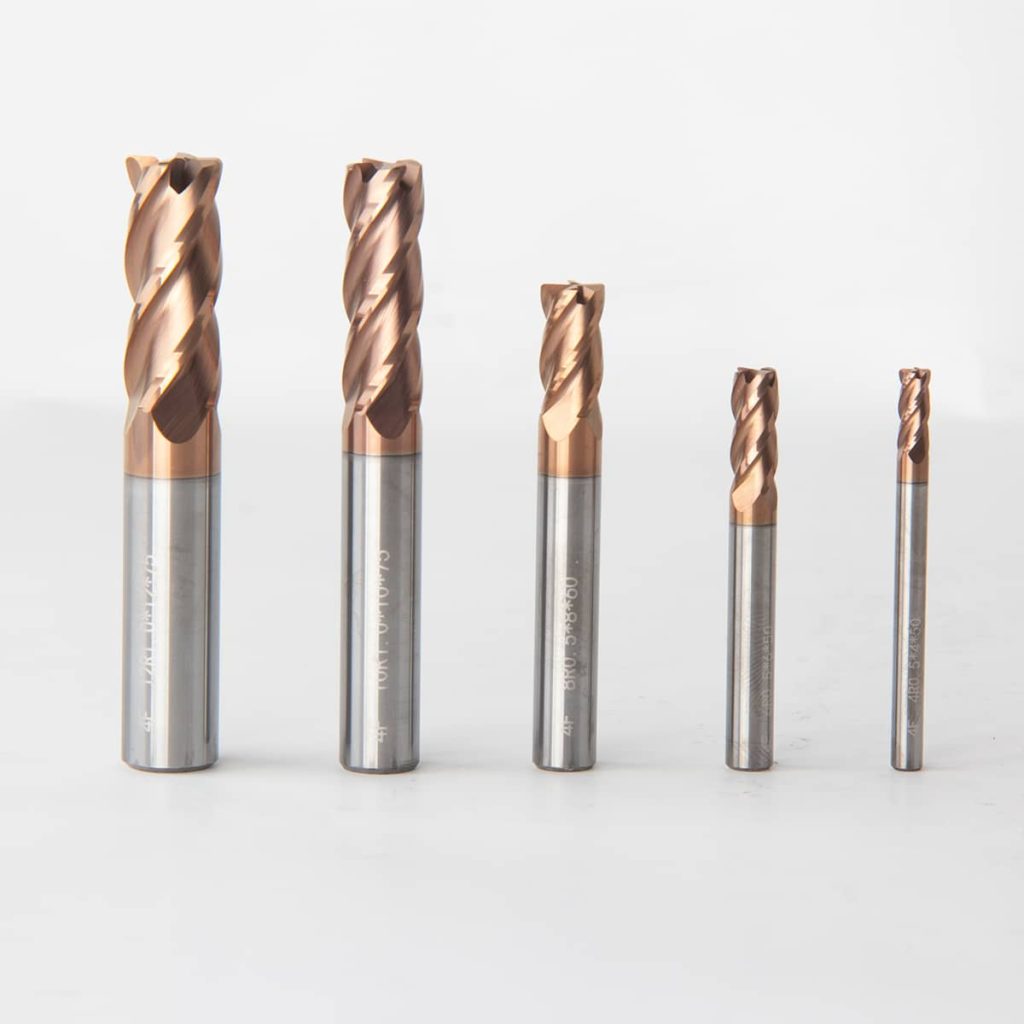
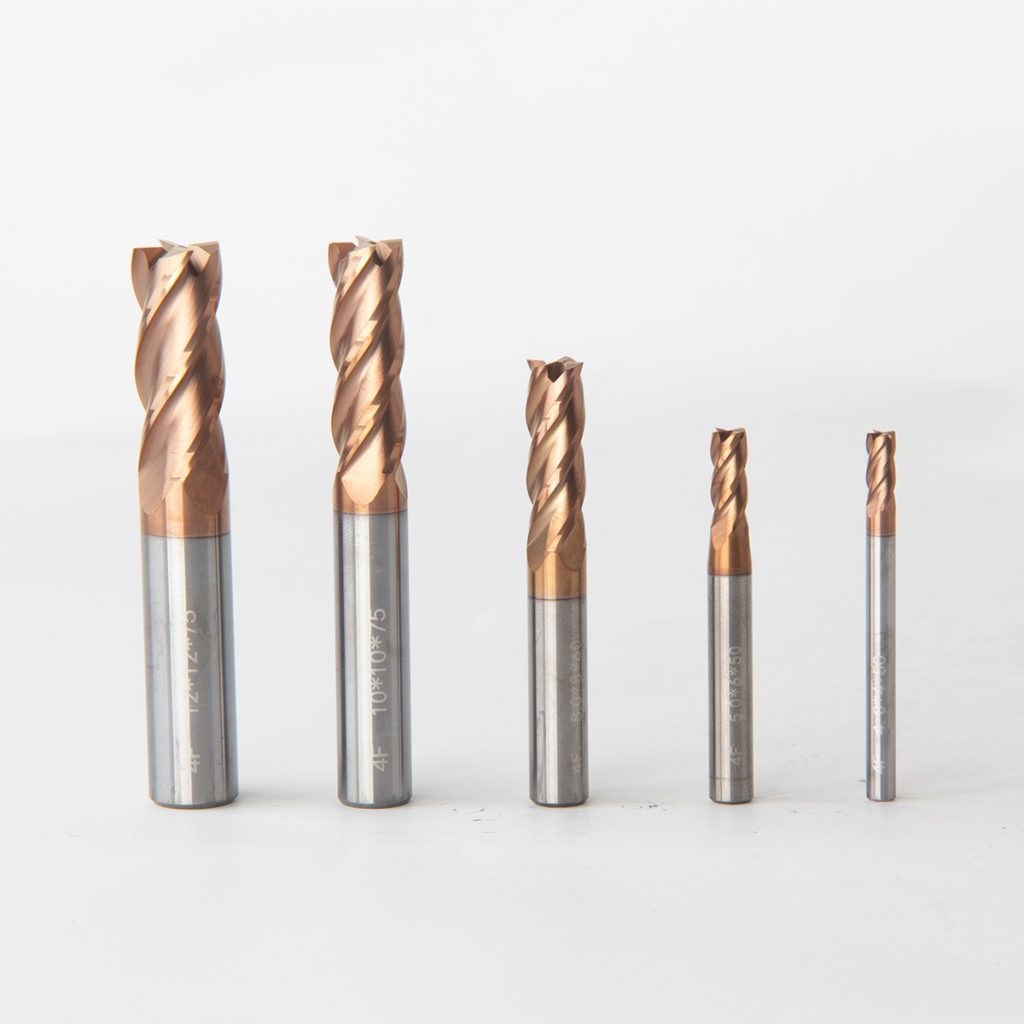
End mills come in a variety of shapes, each designed for different applications. Choosing the right shape for your specific needs is essential for achieving the best machining results.
- Flat End Mills: Ideal for face milling, slotting, and general-purpose operations. They provide a stable, robust cutting action and are widely used in many machining applications.
- Ball End Mills: Perfect for contouring, complex geometries, and three-dimensional surfaces, ball end mills are ideal for mold-making and die-cutting industries.
- Corner Radius End Mills: These end mills combine the strength of a flat end mill with the benefits of a rounded corner, making them ideal for light contouring and heavy-duty milling operations.
Each shape offers unique advantages depending on the application, so choose one that fits your specific operation.
7. Supplier Selection and Cost Considerations
When purchasing end mills, it’s important to choose the right supplier. Reliability, delivery time, and customer support are all factors that can impact your operations. It is also critical to balance cost and quality. While it may be tempting to go for the cheapest option, low-quality tools can end up costing more in terms of downtime, repairs, and poor performance.
- Bulk Purchasing: For companies with high-volume operations, bulk purchasing can help reduce costs.
- Customization: Some suppliers offer customized end mills for specific applications, which can be a great option for businesses with unique or complex machining needs.
When making your purchase, make sure to evaluate your supplier’s reputation, the quality of their products, and the overall value they provide.
Conclusion
Choosing the right end mill for your machining operations is a decision that requires careful consideration of various factors, including material type, machining process, tool geometry, coating, and supplier. By selecting the right tools, you can increase machining efficiency, reduce downtime, and improve the overall quality of your finished parts. Make sure to match your end mill choice with your specific needs to optimize your operations and drive success in your business.
Contact us: [email protected]