

1. Introduction
Milling discs are essential tools in industrial manufacturing, playing a crucial role in the machining process. These rotary cutting tools are used for various operations, including cutting, shaping, and finishing materials. From metals to alloys, milling discs are versatile and help improve both efficiency and precision. In this blog, we will explore the different types of milling discs and their specific applications across various industries, enabling manufacturers to choose the right tool for their machining needs.
2. What is a Milling Disc?
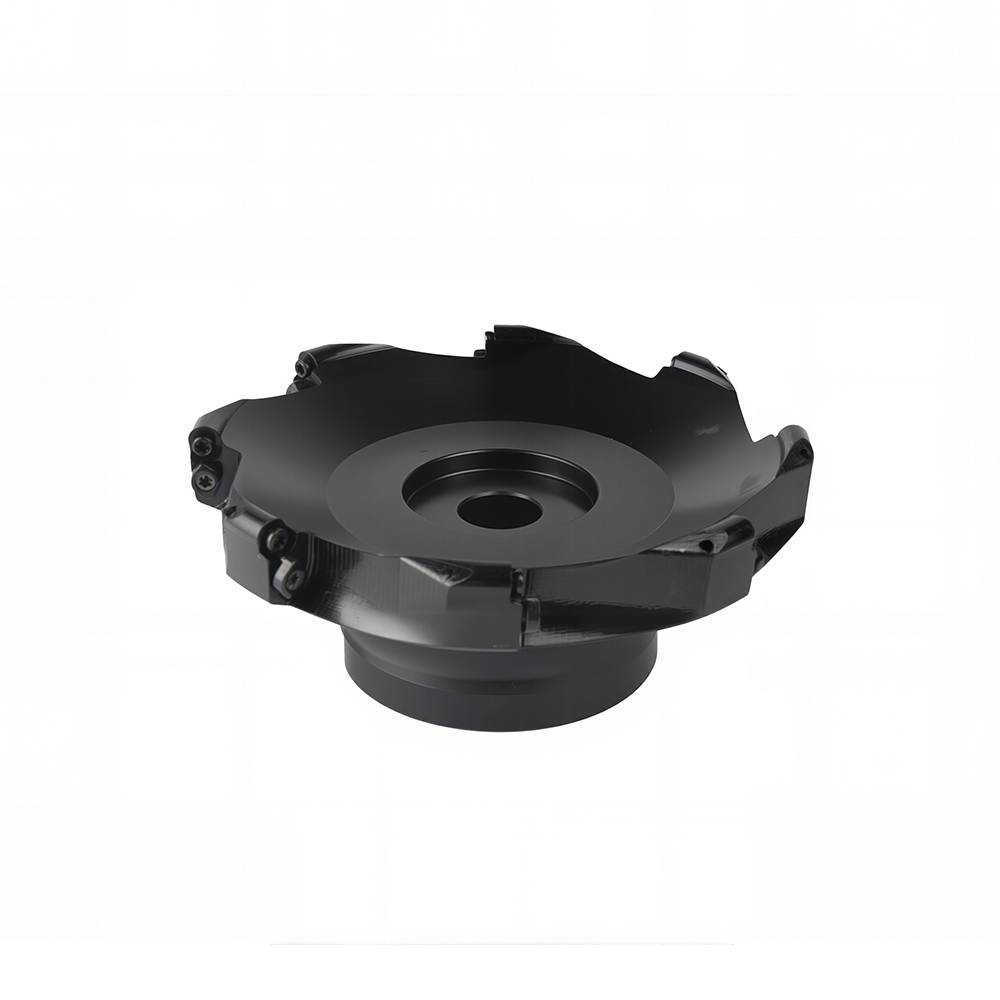
A milling disc, also known as a milling cutter, is a rotary tool designed for use in milling machines to perform cutting operations. These discs are available in various shapes and sizes, each suited to different machining tasks. The primary function of a milling disc is to remove material from a workpiece, which can be done through various cutting processes such as face milling, angle milling, and slot milling.
Milling discs are used across a wide range of industries, including metalworking, automotive manufacturing, aerospace, and mold production. Understanding the different types of milling discs and their intended functions helps manufacturers select the most appropriate tool for their specific applications, ensuring greater machining efficiency and product quality.

3. Types of Milling Discs
Face Milling Disc
Face milling discs are primarily used for cutting large, flat surfaces. They are designed to cut perpendicular to the surface of the workpiece, which makes them ideal for operations like rough or fine milling. This type of milling disc is commonly used in large-scale machining where flat surfaces need to be processed quickly and efficiently. Applications include cutting the surfaces of industrial parts, automotive components, and structural elements.
Angle Milling Disc
Angle milling discs are used to create angled surfaces or to cut slots at specific angles. These discs are versatile tools capable of producing angled cuts with precision. They are particularly useful in precision machining where angle or bevel cuts are required, such as in mold making or the production of mechanical parts that require precise geometry.
End Milling Disc
End milling discs are characterized by their ability to cut in multiple directions. Unlike other milling tools, the cutting edges of the end mill are located at the tip of the tool, allowing for more versatile cutting. These discs are ideal for creating complex shapes and parts that require cuts in various directions. Common applications include the production of intricate components for aerospace, automotive, and medical industries, where multi-directional cuts are necessary.
Vertical Milling Disc
Vertical milling discs are designed for cutting along the vertical axis. These tools are typically used for precision machining tasks that demand high levels of accuracy. Vertical milling discs are ideal for fine machining applications, such as mold repair, small part manufacturing, and other tasks where exact measurements and smooth finishes are required.
Slot Milling Disc
Slot milling discs are specifically designed to cut grooves or slots into materials. The cutting edges of these discs are located on the circumference, which allows for efficient material removal. These discs are commonly used in machining processes that involve creating slots or channels, such as in automotive or machinery manufacturing, where grooves are essential for component functionality.
4. Materials of Milling Discs
The material of a milling disc plays a crucial role in its performance, durability, and suitability for specific applications. Selecting the right material is important for optimizing cutting efficiency and extending tool life. Below are the main materials used in milling discs:
High-Speed Steel (HSS) Milling Discs
High-speed steel (HSS) milling discs are known for their durability and wear resistance. These discs are typically used for cutting softer materials, such as mild steel and aluminum, and are especially effective at low cutting speeds. HSS tools are ideal for general-purpose milling applications, offering cost-effectiveness and reliability for basic machining tasks.
Carbide Milling Discs
Carbide milling discs are known for their superior strength, heat resistance, and wear resistance. These discs perform exceptionally well at high cutting speeds, making them suitable for precision machining of hard materials like stainless steel, titanium, and high-carbon steels. Carbide milling discs are the go-to option for high-performance applications, offering extended tool life and improved cutting accuracy.
Coated Milling Discs
Milling discs with coatings, such as Titanium Nitride (TiN) or Titanium Aluminum Nitride (TiAlN), offer additional benefits like enhanced durability, heat resistance, and reduced friction. The coatings help improve the tool’s lifespan and allow for faster cutting speeds without sacrificing precision. Coated milling discs are ideal for machining hard-to-cut materials and are commonly used in applications where heat buildup could shorten tool life.
5. Applications of Milling Discs
Milling discs are versatile tools that find applications across various industries. Below are some of the most common uses of milling discs:
Metalworking
In the metalworking industry, milling discs are essential for cutting, shaping, and finishing metals. These discs can be used for a range of tasks, such as surface finishing, slot cutting, and profiling. Whether working with mild steel, aluminum, or stainless steel, milling discs are a key tool in ensuring precision and efficiency in metalworking processes.
Automotive Manufacturing
In automotive manufacturing, milling discs are used to machine engine components, transmission parts, and other critical components. The ability to create highly accurate cuts at high speeds makes milling discs invaluable for automotive production, where tight tolerances and complex geometries are common. Milling discs help speed up production while maintaining high-quality standards.
Aerospace
The aerospace industry demands parts with exceptional precision and strength, making milling discs an essential tool for machining components like turbine blades, airframes, and other high-performance parts. Milling discs allow manufacturers to achieve the tight tolerances required in aerospace applications while maintaining high-quality finishes and minimizing material waste.
Mold Manufacturing
Milling discs are indispensable in mold manufacturing, especially for producing molds used in injection molding and die casting. The ability to create intricate shapes with precision is critical in mold making, where the molds must meet strict dimensional and surface finish requirements. Milling discs help mold makers achieve these standards efficiently.
Precision Parts Manufacturing
For manufacturing precision mechanical parts, milling discs are essential tools. These parts often require intricate geometries and tight tolerances, which milling discs can deliver. Whether it’s for medical devices, electronics, or robotics, the accuracy and versatility of milling discs make them ideal for precision parts production.
6. How to Choose the Right Milling Disc
Choosing the right milling disc is essential for achieving the desired results in any machining project. Several factors should be considered when selecting a milling disc, including the material being machined, the complexity of the part, and the required surface finish. Here are a few tips for making the right choice:
- Material Compatibility: Ensure the milling disc material is compatible with the workpiece material. For example, carbide discs are better suited for hard materials, while HSS discs work well with softer metals.
- Cutting Parameters: Consider the cutting speed, depth, and feed rate when selecting a milling disc. Some tools are designed for high-speed cutting, while others are better suited for slower, more precise operations.
- Tool Geometry: The geometry of the milling disc, such as the number of teeth, cutting edge design, and coating, will affect the cutting performance and tool life. Ensure the disc’s geometry matches your machining needs.
8. Conclusion
Milling discs are indispensable tools in industrial manufacturing, offering precision, versatility, and efficiency for a wide range of applications. By understanding the various types of milling discs and their appropriate uses, manufacturers can make informed decisions about which tools to use in their operations. Choosing the right milling disc not only improves machining performance but also extends the life of the tool and ensures high-quality outputs. Whether you’re working in metalworking, automotive, aerospace, or precision parts manufacturing, selecting the right milling disc is critical to achieving optimal results.
Contact us: [email protected]