

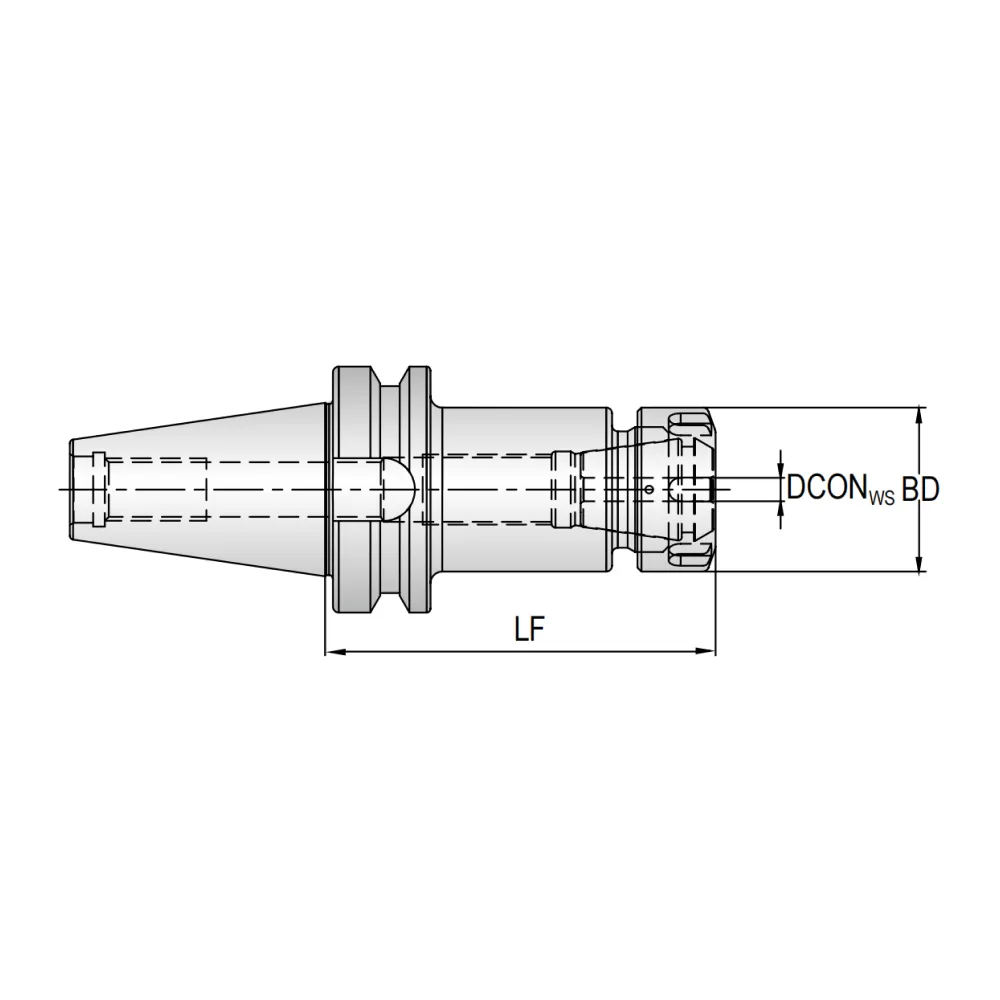
Tool holders play a critical role in CNC machining by ensuring cutting tools remain rigid, stable, and accurately positioned. Poor tool holder selection or setup can lead to vibration, deflection, and poor surface finishes. This guide explains how to use tool holders effectively for high-precision machining.

1. Choose the Right Tool Holder for the Job
Not all tool holders are equal. Hydraulic, shrink-fit, collet, and milling chucks each have unique advantages. For high-precision work, hydraulic or shrink-fit holders offer superior grip and minimal runout, while collet chucks provide flexibility for quick tool changes.
2. Ensure Proper Tool Clamping Force
Under-tightening can cause tool slippage, while over-tightening may damage the holder. Follow manufacturer torque specifications when securing tools. For collet systems, clean the taper and collet regularly to maintain consistent clamping force.

3. Minimize Tool Overhang for Stability
Excessive tool extension increases deflection and vibration. Keep overhang as short as possible while maintaining clearance for machining. A rigid setup improves accuracy and extends tool life.
4. Check and Reduce Runout
Even slight runout (tool wobble) affects precision. Use a dial indicator to measure runout at the tool tip—ideally under 0.01mm for fine machining. High-quality holders and proper installation minimize runout.
5. Balance the Tool-Holder Assembly
Unbalanced tools cause chatter, especially at high RPMs. For demanding applications, use balanced holders or dynamically balance the entire assembly. This is crucial for high-speed machining and fine finishes.
6. Use Coolant Effectively
If the holder supports coolant-through capability, maximize its use to control heat, improve chip evacuation, and prevent thermal expansion—which can shift tool position during long cuts.
7. Perform Regular Maintenance
Inspect holders for wear, corrosion, or damage. Replace worn collets, tapers, or retention knobs to maintain clamping accuracy. A well-maintained holder ensures repeatable precision.
Conclusion
Precision machining starts with proper tool holder selection and setup. By optimizing clamping, minimizing runout, and reducing vibration, manufacturers achieve tighter tolerances, better surface finishes, and longer tool life.
What’s your experience with tool holders? Contact us:[email protected]