

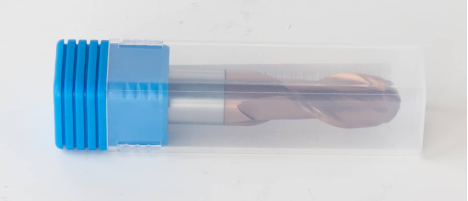
Installing an HRC60 ball nose end mill correctly is crucial for achieving precise machining results and extending tool life. Whether you’re working on CNC milling, engraving, or 3D contouring, proper installation ensures optimal performance and minimizes tool wear. In this guide, we’ll walk you through the step-by-step process of installing an HRC60 ball nose end mill safely and effectively.


Tools and Safety Precautions
Before installation, gather the necessary tools and follow these safety measures:
Tools Needed:
Collet chuck or end mill holder
Wrench set
Clean cloth or compressed air
Dial indicator (for precision checks)
Safety Precautions:
Wear safety glasses and gloves.
Ensure the machine is powered off before installation.
Check for any damage to the tool or spindle.
Step-by-Step Installation Guide
1. Inspect the Tool and Holder
Examine the HRC60 ball nose end mill for any chips, cracks, or wear.
Ensure the collet or tool holder is clean and free from debris.
2. Prepare the Spindle
Power off the CNC machine and lock the spindle to prevent rotation.
Use compressed air or a clean cloth to remove dust or metal shavings from the spindle taper.
3. Insert the End Mill
Place the ball nose end mill into the collet or holder, ensuring it is seated properly.
For collet chucks, tighten the nut evenly to avoid tool slippage.
If using an end mill holder, insert the tool and secure it with the set screw.
4. Check Tool Runout (Optional but Recommended)
Use a dial indicator to verify minimal runout (typically less than 0.01mm for precision work).
Adjust if necessary to avoid vibration and poor surface finish.
5. Secure and Test
Tighten all components firmly but avoid over-torquing.
Perform a test run at low RPM to ensure stability before full-speed operation.
Tips for Optimal Performance
Use the Right Holder: Hydraulic or shrink-fit holders provide better grip than standard collets.
Avoid Overhang: Keep tool extension as short as possible to reduce deflection.
Lubrication: If machining hard materials, use appropriate coolant or lubrication.
Conclusion
Proper installation of an HRC60 ball nose end mill ensures accuracy, tool longevity, and high-quality machining results. By following these steps, you can maximize efficiency and minimize tool failure. Always prioritize safety and precision for the best outcomes in your milling operations.
Have questions or additional tips? Contact us:[email protected]